As a senior Registered Nurse practicing in New York City for over fifteen years, I have seen firsthand how the right communication can save a life. In a borough as diverse as Queens, the demand for caregivers who speak the language of their patients is not just a preference; it is a clinical necessity. The availability of bilingual HHA jobs Queens NYC ensures that our seniors receive care that is both culturally sensitive and medically safe.
The growing demand for Language Skills: growing Demand for Bilingual Aides is driven by the aging immigrant population in NYC who feel most comfortable communicating in their native tongue. Having a Bilingual HHA ensures accurate reporting of symptoms, better medication adherence, and a significant reduction in patient isolation and depression. In the current healthcare market, these skills make a caregiver highly sought after and provide better job security.
From a clinical perspective in the New York home care setting, the greatest risk of a language barrier is the misinterpretation of PRN (as needed) medications. I have seen patients take high-risk medications like blood thinners or opioids incorrectly simply because they could not understand the instructions on the bottle or the HHA could not explain the side effects. A Bilingual HHA acts as the vital link that prevents these adverse events, making them an essential part of the interdisciplinary healthcare team.
New York City, particularly the borough of Queens, stands as one of the most linguistically diverse places on the planet. For the healthcare system to function effectively, it must adapt to the needs of residents who speak hundreds of different dialects. The role of the Home Health Aide (HHA) has evolved from basic physical support to a complex role involving communication, psychological support, and advocacy. When we look at Language Skills: growing Demand for Bilingual Aides, we are looking at the future of sustainable home care.
The Demographic Shift and the Need for Bilingual HHA Jobs Queens NYC
- The Aging Immigrant Population: Many immigrants who moved to New York decades ago are now reaching an age where they require daily assistance. Statistics show that as people age, especially those with cognitive decline, they often revert to their first language, making bilingual care essential.
- Neighborhood Specific Demands: In neighborhoods like Flushing, Jackson Heights, and Corona, the primary language spoken at home is often not English. This creates a hyper-local demand for aides who can navigate these communities seamlessly.
- Trust and Rapport: Patients are more likely to be honest about their pain levels and symptoms when they can speak naturally. A Bilingual HHA fosters a level of trust that a monolingual aide, regardless of their clinical skill, may struggle to achieve.
- Bridging the Gap with Family Members: Often, the family members are the primary decision-makers. Being able to explain the patient’s daily progress to a daughter or son in their native language ensures the entire family unit is aligned with the care plan.
Clinical Risks Associated with Language Barriers in Home Care
The clinical implications of a language gap are profound. In the fast-paced environment of NYC healthcare, a small misunderstanding can lead to a hospital readmission, which agencies and insurers are desperate to avoid. When searching for bilingual HHA jobs Queens NYC, candidates should understand that their linguistic ability is a tool for patient safety.
- Medication Management: Confusion over “once a day” versus “as needed” can lead to toxicity or under-medication. A Bilingual HHA can clarify these instructions based on the RN’s care plan.
- Symptom Reporting: A patient might describe a “dull ache” or a “sharp stabbing pain” using specific cultural idioms. An aide who understands these nuances can report more accurately to the supervising nurse.
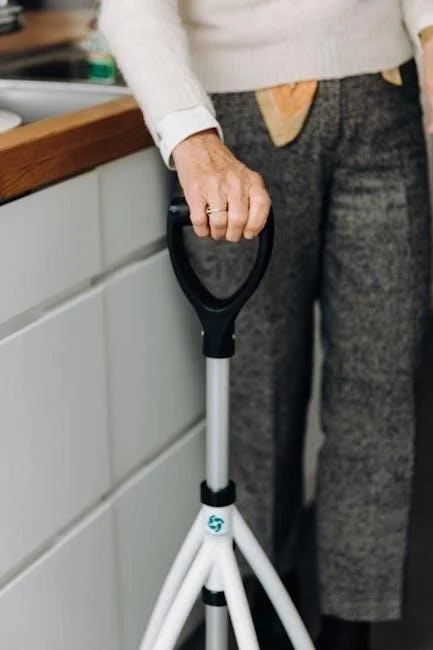
- Fall Prevention: Giving directions during a transfer-such as “pivot” or “reach for the armrest”-must be done quickly and clearly. Any delay in comprehension can result in a physical accident.
- Dietary Restrictions: In many cultures, food is medicine. A bilingual aide understands cultural diets and can ensure the patient follows low-sodium or low-sugar requirements while still eating familiar, comforting meals.
The Impact of Language on Mental Health and Cognitive Decline
Isolation is the “silent killer” of the elderly in New York. For a senior who cannot communicate with their caregiver, the home can become a prison of silence. This is why Language Skills: growing Demand for Bilingual Aides is a topic that touches on the very soul of caregiving. Mental stimulation is a key component of slowing the progression of Alzheimer's and other forms of dementia.
- Social Engagement: Being able to share stories, tell jokes, and discuss the news in one’s native language keeps the brain active and reduces the risk of depression.
- De-escalation of Anxiety: For patients with dementia, the world can be a frightening and confusing place. Hearing a familiar language and accent can immediately lower heart rates and reduce agitation.
- Cultural Continuity: A Bilingual HHA often understands the cultural context of the patient's life, including religious holidays and social customs, which provides a sense of normalcy and dignity.
- Advocacy during Doctor Visits: Many HHAs accompany their patients to appointments. An aide who speaks the patient’s language can ensure the patient’s concerns are actually heard by the physician.

Navigating the NYC Healthcare System as a Bilingual Professional
The NYC healthcare system is a complex web of Medicaid, Medicare, and private insurance. Navigating this requires clear communication. Professionals looking for bilingual HHA jobs Queens NYC are entering a field where they serve as the “eyes and ears” of the medical establishment. Their role is pivotal in the Managed Long Term Care (MLTC) model used across the city.
- Documentation Accuracy: Bilingual aides must be able to translate the patient's subjective feelings into objective reports for the agency. This ensures that the patient continues to qualify for the hours of care they need.
- Understanding CDPAP: The Consumer Directed Personal Assistance Program often allows family members to be paid as caregivers. However, there is still a massive need for traditional, agency-based bilingual HHAs for those who do not have family nearby.
- Coordination of Care: Bilingual aides often help coordinate with pharmacists, physical therapists, and social workers who may only speak English, serving as a two-way bridge.
- Professional Growth: HHAs who are bilingual often find it easier to transition into roles like Patient Care Coordinators or Case Managers because they understand the needs of the community from the ground up.
Economic Advantages and Job Security for Bilingual Caregivers
From an economic standpoint, being a Bilingual HHA in Queens is a significant advantage. The healthcare industry is one of the few sectors that remains recession-proof, and within that sector, the demand for specialized language skills is only growing. Agencies are actively recruiting and often offering incentives for those who can bridge the communication gap.
- Increased Job Opportunities: Many agencies have specific contracts for certain demographics (e.g., Spanish-speaking or Chinese-speaking populations). Being bilingual doubles or triples the number of available cases for an aide.
- Stability in Placement: Cases with bilingual aides tend to be more stable. When a patient and caregiver communicate well, there is less “turnover,” meaning the aide has a steady, predictable income and schedule.
- Higher Demand in Queens: As the most diverse borough, Queens has a concentrated need. Aides living in or near Queens can often find work very close to home, reducing commute times and costs.
- Recognition as a Specialist: Bilingualism is increasingly viewed as a specialty skill rather than just a bonus. This can lead to better shifts and preference for high-priority cases.
Steps to Build a Career as a Bilingual HHA
If you are considering entering this field or looking for bilingual HHA jobs Queens NYC, there are practical steps to ensure success. It is not enough to just speak the language; you must also understand the clinical standards of care required in New York State. The fusion of technical training and linguistic skill is what creates a top-tier caregiver.
- Get Certified: Ensure you complete a New York State-approved HHA training program. Many programs are now offered in multiple languages to help you learn the medical terminology you will need.
- Highlight Your Skills: When applying to agencies, be specific about your dialects. For example, specify if you speak Cantonese vs; Mandarin, or if you have experience with specific regional dialects of Spanish.
- Focus on Medical Terminology: Learn the names of common medications and medical conditions in both English and your second language. This is crucial for communicating with nurses and doctors.
- Practice Cultural Humility: Even if you speak the same language, every family is different. Being a great Bilingual HHA involves listening and adapting to each unique household’s traditions and expectations.
ProLife Home Care understands that communication is the foundation of high-quality medical support. We actively recruit talented individuals for bilingual HHA jobs Queens NYC to ensure our patients feel safe, heard, and respected. Join our team today to make a meaningful difference in the lives of New York's diverse elderly population by visiting bilingual HHA jobs Queens NYC.
| Language Need | Neighborhood Focus | Clinical Benefit<br /> |
|---|---|---|
| Spanish | Jackson Heights, Corona, Elmhurst | Increased adherence to chronic disease protocols. |
| Mandarin/Cantonese | Flushing, Bayside, Whitestone | Better management of social isolation and cognitive health. |
| Russian/Bengali | Rego Park, Richmond Hill, Ozone Park | Accurate emergency reporting and medication safety. |
Frequently Asked Questions
Why is there a growing demand for Language Skills: growing Demand for Bilingual Aides?
The demand is increasing because NYC’s elderly population is becoming more diverse, and many seniors lose their secondary language skills as they age, requiring native-language support for safety.
Do bilingual HHA jobs Queens NYC pay more?
While base rates are often set by Medicaid, bilingual aides often have access to more consistent hours, more cases, and better job stability, leading to higher overall earnings.
How does a Bilingual HHA improve patient safety?
They prevent medication errors, ensure the patient's symptoms are correctly translated to the RN, and provide clear instructions during physical tasks like walking or bathing.
What are the most common languages needed for a Bilingual HHA in Queens?
Spanish, Mandarin, Cantonese, Russian, Bengali, and Greek are among the most frequently requested languages in the Queens home care market.
Can I work as a Bilingual HHA if I only speak basic English?
You must have enough English proficiency to follow the RN’s care plan and document your work, but your primary value to the patient will be your fluency in their native language.
Contact ProLife Home Care NYC for a free clinical assessment: (718) 232-2777