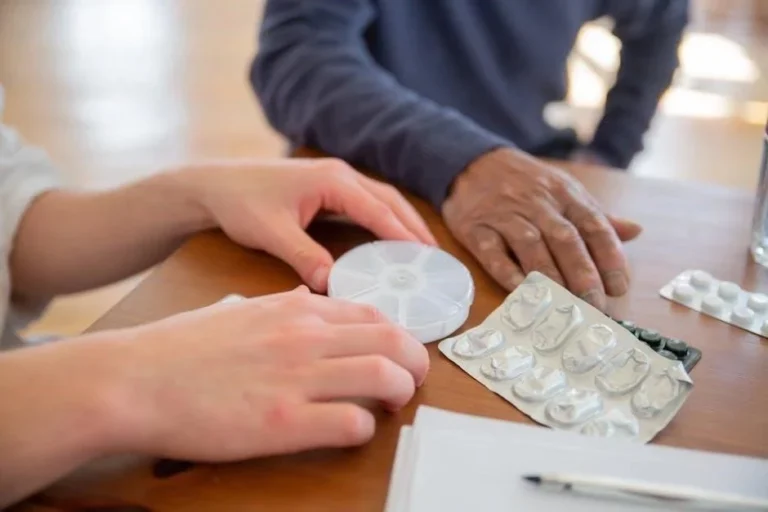
As a senior Registered Nurse practicing in the heart of New York City, I have seen a massive shift in how we manage chronic weight-related conditions in our aging population. The introduction of GLP-1 medications has revolutionized geriatric care, but it also brings new challenges for home-based monitoring and medication safety. Navigating the choice between the Foundayo weight loss pill vs ozempic seniors requires a deep understanding of both pharmacological efficacy and the rigorous =HHA Reporting Protocols that keep our patients safe at home.
The primary difference lies in the delivery method and the metabolic processing of the medication; Ozempic is a weekly subcutaneous injection of semaglutide, while Foundayo (orforglipron) is an emerging daily oral pill. For seniors in New York, the choice often depends on their manual dexterity for injections versus their gastrointestinal sensitivity to daily oral peptides. Both medications require strict oversight by licensed clinicians to manage the high risk of dehydration and muscle loss in the elderly.
In the clinical landscape of NYC home health care, the greatest risk for seniors on these medications is not the drug itself, but the “silent” side effects like rapid muscle wasting and orthostatic hypotension. From an RN perspective, the timing of HHA observations is critical; we often see blood pressure drops within the first 48 hours of a dose escalation. The most common mistake is failing to adjust the patient’s protein intake and hydration levels, which can lead to preventable emergency room visits and falls in small, cluttered Manhattan apartments.
ProLife Home Care provides the specialized clinical oversight necessary to manage complex medication regimens for the elderly in New York. Our team ensures that every patient receives personalized monitoring to prevent complications and maximize the benefits of modern weight loss therapies. To learn more about how we support your health journey, explore our professional home care in New York.
Understanding the Shift: Foundayo Weight Loss Pill vs Ozempic Seniors
The landscape of geriatric medicine in New York is changing rapidly as more seniors seek pharmaceutical interventions for weight management. While Ozempic has become a household name, the development of Foundayo-a non-peptide, oral GLP-1 receptor agonist-offers a potential alternative for those who are needle-phobic. For the average New York senior, the Foundayo weight loss pill vs ozempic seniors debate is not just about weight, but about maintaining independence. Ozempic requires a weekly injection, which can be difficult for patients with severe arthritis or vision impairment. Conversely, a daily pill like Foundayo requires high cognitive compliance to ensure no doses are missed or doubled. In the fast-paced environment of NYC, where medical appointments are frequent and travel is taxing, the convenience of a pill is often preferred, yet the metabolic impact of an oral medication on a senior's sensitive digestive system must be weighed carefully by their primary care physician.
- Delivery Method: Ozempic uses a pre-filled pen for weekly injections, whereas Foundayo is a daily tablet.
- Absorption Issues: Seniors often have slower gastric emptying, which can affect how oral pills like Foundayo are absorbed compared to the direct systemic entry of an injection.
- Cost and Access: In New York, insurance coverage for these medications can vary wildly between Medicare Advantage plans and private insurers, often requiring extensive prior authorizations.
- Storage: Ozempic requires refrigeration before the first use, which can be a concern for seniors living in older NYC housing with unreliable appliances.

The Critical Role of HHA Reporting Protocols
When a senior in NYC starts a potent medication like Foundayo or Ozempic, the burden of daily monitoring often falls on the Home Health Aide (HHA). This is where =HHA Reporting Protocols become the backbone of patient safety. These protocols are not merely checkboxes; they are the early warning systems that prevent hospitalization. An HHA is trained to look for subtle signs of distress that a doctor might miss during a monthly 15-minute telehealth visit. In New York, the Department of Health mandates that any significant change in a patient's baseline-such as decreased appetite, unusual fatigue, or changes in bowel habits-must be reported to the supervising RN immediately. These protocols are especially vital for seniors on GLP-1s because the risk of “silent” dehydration can lead to acute kidney injury within a matter of days.
- Daily Fluid Intake Tracking: HHAs must document every ounce of fluid to ensure the senior is not becoming dehydrated due to the appetite-suppressing effects of the medication.
- Gastrointestinal Monitoring: Reporting the frequency and consistency of bowel movements is essential to catch early signs of gastroparesis or severe constipation.
- Mental Status Checks: Rapid weight loss can sometimes trigger “brain fog” or irritability in the elderly, which HHAs must report as a potential neurological side effect.
- Vitals Documentation: Regular blood pressure and heart rate checks are part of the standard =HHA Reporting Protocols to monitor for tachycardia or hypotension.
Metabolic Risks and Sarcopenia in the Elderly Population
One of the most significant clinical concerns for NYC nurses is the development of sarcopenia-the loss of muscle mass-while on these medications. When a senior loses weight too quickly on a Foundayo weight loss pill vs ozempic seniors regimen, they aren’t just losing fat; they are losing the muscle that keeps them mobile and prevents falls. This is a major concern in a city where navigating subway stairs or uneven sidewalks is a daily necessity. Nurses must work closely with HHAs to ensure that the senior's diet is heavily supplemented with protein. The reporting protocols include noting if a patient is unable to finish their prescribed protein shakes or meals. If the weight loss exceeds 1-2 pounds per week, the clinical team must re-evaluate the dosage to protect the patient’s skeletal health.
- Protein-First Diet: Ensuring the senior consumes high-quality protein before anything else at mealtime.
- Resistance Exercises: Coordinating with physical therapists to maintain muscle tone while the medication is active.
- Fall Risk Assessments: Frequent re-evaluations of the home environment as the patient’s center of gravity shifts with weight loss.
- Bone Density Monitoring: Clinical oversight to ensure the senior is receiving adequate Vitamin D and Calcium during the weight loss process.
Navigating the NYC Healthcare System for Weight Loss Management
New York City's healthcare system is a complex web of providers, from the large hospital systems like Mount Sinai and NYU Langone to the local community clinics. Coordinating care for a senior on a weight loss medication requires a centralized approach. The =HHA Reporting Protocols act as the bridge between these entities. When an HHA reports a side effect to the agency RN, that RN then communicates with the endocrinologist or PCP. This loop is vital in a city where “siloed” care is a common problem. Furthermore, for those enrolled in the Consumer Directed Personal Assistance Program (CDPAP), the responsibility of reporting shifts to the family caregiver, who must be equally educated on the risks associated with Foundayo and Ozempic. The goal is always to provide a holistic view of the patient's health rather than focusing solely on the number on the scale.
- Care Coordination: Linking the HHA, RN, and Physician to ensure everyone is on the same page regarding the treatment plan.
- Medication Reconciliation: Ensuring that the weight loss pill or injection does not interact negatively with existing medications for blood pressure or diabetes.
- Cultural Sensitivity: Recognizing that diet and lifestyle recommendations must align with the diverse cultural backgrounds of NYC's senior population.
- Emergency Preparedness: Providing families with a clear “if/then” guide for when side effects become emergencies.
Safety First: Managing the Side Effects of GLP-1s at Home
The safety of the patient is the absolute priority when comparing Foundayo weight loss pill vs ozempic seniors. The most common reason for discontinuation of these drugs is the severity of gastrointestinal side effects. In a home care setting, these are managed through proactive intervention. If a patient experiences nausea, the HHA might suggest smaller, more frequent meals or ginger tea, as guided by the RN. However, if the nausea leads to vomiting, the =HHA Reporting Protocols trigger an immediate clinical review. We also focus heavily on “Ozempic Face” and general skin elasticity, which can be signs of malnutrition in the elderly. By maintaining a high standard of home-based monitoring, we can help seniors achieve their health goals without compromising their overall well-being.
- Nausea Management: Utilizing non-pharmacological interventions first, then escalating to prescribed anti-emetics if necessary.
- Skin Integrity: Checking for signs of dehydration or rapid skin sagging that could lead to infections or sores.
- Injection Site Rotation: For those on Ozempic, ensuring the HHA or nurse rotates the injection site to prevent lipodystrophy.
- Psychosocial Support: Addressing the emotional impact of rapid physical changes in a population that may already feel vulnerable.
| :— | :— | :— || Medication Management | RN oversight of Foundayo/Ozempic dosages | Prevents errors and ensures adherence to the schedule |
| Nutritional Support | HHA monitoring of protein and fluid intake | Prevents muscle loss and dehydration in seniors |
| Clinical Observation | Strict =HHA Reporting Protocols for side effects | Enables early intervention before a crisis occurs |Contact ProLife Home Care NYC for a free clinical assessment:(718) 232 – 2777
Frequently Asked Questions
What is the main difference between Foundayo and Ozempic for NYC seniors?
Foundayo is a daily oral pill that may be easier for those with limited hand mobility, while Ozempic is a weekly injection that ensures consistent delivery without daily pill fatigue.
How do HHA Reporting Protocols change when a senior starts these meds?
Protocols become much more stringent, requiring daily documentation of appetite, hydration levels, and any gastrointestinal discomfort to prevent rapid health decline.
Is a pill safer than an injection for elderly residents living alone?
Not necessarily; while a pill is easier to administer, it requires better cognitive function to remember daily doses, whereas a weekly injection can be supervised by a visiting nurse.
What side effects should NYC families watch for in their aging loved ones?
Families should be alert for extreme fatigue, dizziness (which could lead to falls), and a complete lack of interest in eating or drinking, which can indicate a dose is too high.
Can these medications cause dehydration during New York summers?
Yes, GLP-1 medications significantly reduce thirst and hunger, making seniors highly susceptible to heat-related illnesses and dehydration in the NYC humidity.
Contact ProLife Home Care NYC for a free clinical assessment: (718) 232-2777