START
Managing complex health needs at home can feel overwhelming, but you do not have to do it alone. As a nurse, I know that receiving treatments in your own bed is often safer and more comfortable than staying in a hospital. This guide explains how private nursing brings medical-grade IV care to your home in New York City.
Quick Answer
At-home IV therapy in NYC is a clinical service where a Registered Nurse (RN) administers fluids, medication, or nutrition directly into a vein within a patient’s home. This service requires a physician’s prescription and is managed by licensed private duty nursing agencies to ensure safety and sterile protocols. It is commonly used for antibiotics, hydration, chemotherapy, and pain management to prevent hospital readmissions. Nurse Services
Specialist in NYC Senior Medicaid Financial Compliance and Care Coordination.
Clinical Insight from an NYC Registered Nurse: In my experience coordinating care across the five boroughs, at-home IV therapy is a game-changer for seniors recovering from surgery or fighting infections. It drastically reduces the risk of hospital-acquired infections and allows families to stay together. However, because IVs involve direct access to the bloodstream, we strictly enforce sterile techniques just like we would in a hospital ward.
What Is At-Home IV Therapy?
Intravenous (IV) therapy is a method of delivering fluid or medicine directly into the bloodstream. When done at home by a private nurse, it ensures 100% absorption of the treatment. This is crucial for patients who cannot swallow pills or whose digestive systems cannot absorb nutrients effectively.
In New York City, private nurses bring the necessary equipment, including IV poles, pumps, and sterile supplies, to the patient’s residence. The nurse remains with the patient or visits regularly to monitor the infusion rate and check for any adverse reactions.
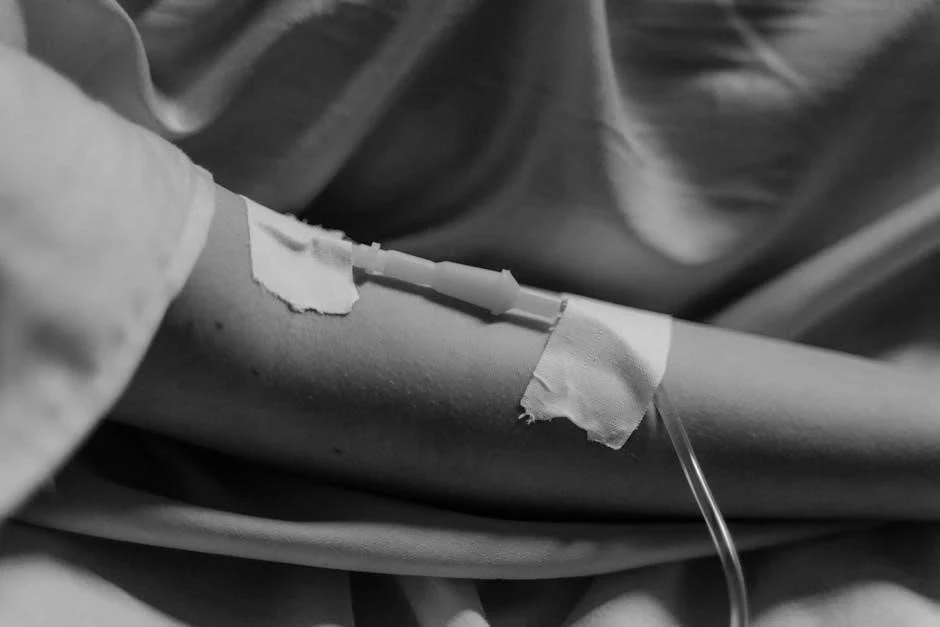
Common Treatments Administered at Home
Private duty nurses handle a wide variety of IV treatments. The specific type of therapy depends on the doctor’s orders and the patient’s condition.
- Antibiotics: For treating severe infections like pneumonia or sepsis without a hospital stay.
- Hydration: Saline solutions for seniors suffering from severe dehydration.
- Total Parenteral Nutrition (TPN): Complete nutrition for patients whose stomachs or intestines are not working.
- Pain Management: Medications delivered for palliative or hospice care comfort.
Clinical Safety Protocols in NYC
Safety is the top priority. Administering an IV at home requires the same level of cleanliness and skill as a hospital. New York State regulations require strict adherence to infection control.
Nurses must perform hand hygiene, use sterile gloves, and clean the insertion site thoroughly. They also monitor vital signs such as blood pressure, heart rate, and temperature before, during, and after the infusion. If a patient shows signs of a reaction, the nurse is trained to intervene immediately and contact the prescribing physician.
Comparison: IV Therapy vs. Oral Medication
Understanding the difference between oral pills and IV therapy helps families make informed decisions. The following table outlines the key clinical differences.
| Feature | IV Therapy (Intravenous) | Oral Medication (Pills) |
|---|---|---|
| Absorption Rate | 100% (Immediate) | Variable (Depends on digestion) |
| Speed of Effect | Very Fast | Slow (30-60 minutes) |
| Professional Need | Requires Licensed Nurse | Can be self-administered |
| Stress on Stomach | None (Bypasses stomach) | Can cause nausea or ulcers |
Insurance and Payment for Private Nursing
It is important to understand how payment works for these services. Medicare Part A generally covers Home Health Care, which is intermittent. This means a nurse visits for a short time to start the IV or change a dressing.
However, “private duty nursing” (continuous shifts of 8-12 hours) is often not covered by basic Medicare. Many families in NYC use Long-Term Care Insurance, Medicaid waivers, or private pay to cover the cost of a nurse staying for the full duration of long infusions.
When Does This Apply?
- If a patient is severely dehydrated and cannot drink fluids, then IV hydration is ordered.
- If a patient has a severe infection requiring strong antibiotics multiple times a day, then home IV therapy is prescribed.
- If a patient is discharged from a hospital with a PICC line or central line, then a nurse is required to maintain the line and prevent clotting.
- If oral pain medication is no longer effective for a hospice patient, then IV or subcutaneous pumps may be used.
External Resources
For more information on catheter safety and home care standards, please refer to these official sources:
- New York State Department of Health Home Care Info
Frequently Asked Questions
Do I need a doctor’s prescription for home IV therapy in NYC?
Yes, absolutely. In New York, a Registered Nurse cannot administer IV therapy without a valid medical order from a physician. The order must specify the medication, dosage, and duration of treatment.
What happens if the IV needle comes out?
If the IV line dislodges, the infusion must stop immediately to prevent fluid from entering the tissue. A private nurse will assess the site for swelling and restart the line in a new location using sterile equipment. Do not try to reinsert it yourself.
Does Medicare cover 24-hour private nursing for IVs?
Generally, traditional Medicare does not cover 24-hour continuous private duty nursing. It typically covers intermittent visits for specific tasks. You may need Medicaid, long-term care insurance, or private funds for continuous care.
Can a family member administer the IV antibiotics?
In most cases, no. IV administration involves medical risks like air embolisms or infection. While some programs teach family members to hang a bag on a pre-set pump, a licensed nurse is usually required to manage the access site and monitor safety.
How long does a home IV appointment take?
The duration depends entirely on the medication prescribed. Simple hydration may take 45 minutes to an hour, while certain antibiotics or chemotherapy drugs can take several hours. The nurse stays to ensure the full dose is delivered safely.
END
Contact ProLife Home Care NYC for a free clinical assessment:(718) 232 – 2777
Contact ProLife Home Care NYC for a free clinical assessment: (718) 232-2777