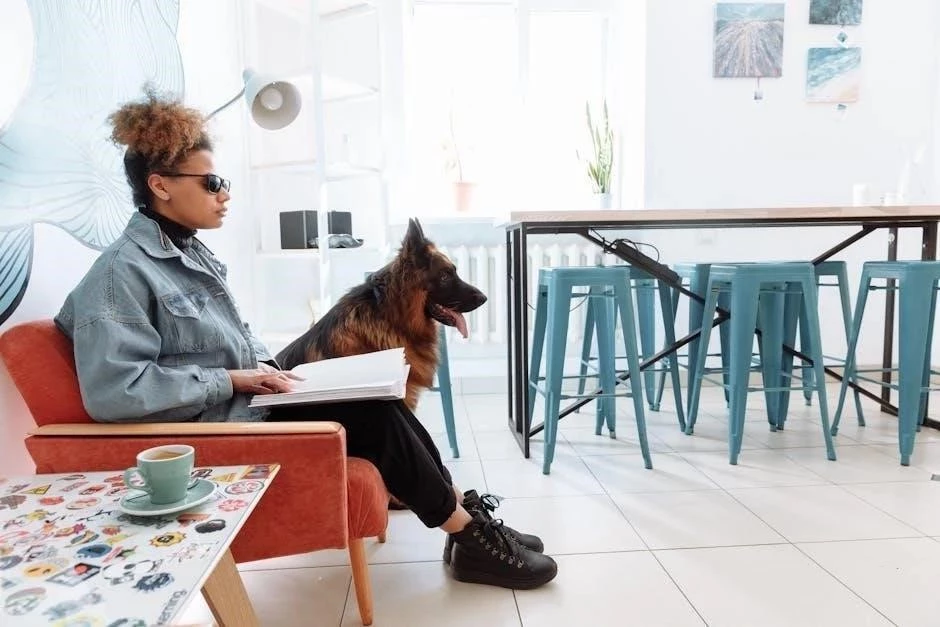
Living with vision loss in a bustling metropolis like New York City requires innovative solutions that prioritize safety and independence. Families often struggle to find the right balance between providing care and allowing their loved ones to maintain their personal autonomy. Voice tech for visually impaired NYC residents serves as a vital bridge, transforming the home environment into a responsive, audible ecosystem. This technology empowers individuals to manage daily tasks with confidence, ensuring they remain connected to their community and their health providers.
Clinical Quick Answer
Voice-first technology provides an essential assistive layer for individuals with moderate to severe vision impairment by automating environmental controls and facilitating emergency communication. Integrating these smart systems alongside professional clinical oversight from Vision Eye Care allows patients to manage chronic conditions more effectively while reducing the risk of domestic accidents. Experts recommend a combination of smart speakers, wearable haptic devices, and localized NYC accessibility apps to maximize functional independence.
The Critical Role of Voice Tech for Visually Impaired NYC Residents
In the high-density living environments of New York City, the ability to navigate a home through sound rather than sight is a transformative clinical intervention. Voice tech for visually impaired NYC populations is not merely a convenience; it is a fundamental accessibility requirement that addresses the unique challenges of urban apartments and rapid lifestyle paces. By utilizing artificial intelligence and natural language processing, these systems allow users to interact with their environment without the need for tactile buttons or visual displays, which can often be confusing or inaccessible.
- Hands-Free Environment Management: Voice assistants allow users to control lighting, thermostats, and locks, which is crucial for preventing falls in dimly lit or unfamiliar areas of the home.
- Information Access: Real-time updates on NYC transit, weather, and local news are delivered audibly, keeping the user informed without the need for screen readers.
- Emergency Connectivity: Rapid voice-activated dialing for emergency services or family members provides a safety net that traditional phones cannot offer during a crisis.
- Medication Adherence: Programming specific audio reminders for complex medication schedules helps maintain health stability;
- Social Integration: Voice-activated messaging and calling help combat the social isolation often experienced by those with vision loss.
Integrating Vision Eye Care with Smart Home Solutions
Effective management of visual impairment goes beyond technology; it requires a partnership with specialized medical professionals. Clinical entities like Vision Eye Care provide the necessary diagnostic framework to determine the level of assistive technology needed. When a patient receives a diagnosis of macular degeneration, glaucoma, or diabetic retinopathy, the integration of voice-first technology becomes a primary recommendation for occupational therapy within the home. This dual approach ensures that the medical treatment plan and the daily living plan are perfectly synchronized.
- Clinical Diagnostics: Regular exams at Vision Eye Care help track the progression of vision loss, informing when more advanced voice-activated features may be necessary.
- Occupational Therapy Alignment: Therapists can use clinical data to customize voice commands that specifically address the user's physical limitations.
- Prescription Management: Syncing pharmacy notifications with voice assistants ensures that refills from vision specialists are never missed.
- Coordinated Care: Sharing data between smart home health monitors and eye care specialists can provide a holistic view of the patient's wellbeing.
- Adaptive Training: Specialized clinics often provide resources or referrals for learning how to use voice tech effectively in a clinical context.
Enhancing Safety and Autonomy in Urban Apartments
New York City apartments often present unique spatial challenges, such as narrow hallways, varying floor levels, and complex layouts. Voice tech for visually impaired NYC residents can be mapped to specific zones within an apartment to provide spatial awareness. For example, smart sensors can announce when a door is left open or if a kitchen appliance has been left on, which are critical safety features for those living alone. The goal is to create a “cognitive map” of the home that is reinforced through auditory feedback, reducing the cognitive load on the individual.
- Kitchen Safety: Voice-controlled appliances and smart scales help in preparing meals safely without the risk of burns or incorrect measurements.
- Environmental Sensors: Water leak detectors and smoke alarms that announce the specific location of the danger rather than just beeping.
- Automated Lighting: Motion-activated lights that respond to voice can guide a user during nighttime movements, reducing the risk of tripping.
- Smart Locks: Voice-verified entry systems ensure that users can identify and allow visitors into their NYC apartment without reaching for a peephole.
- Object Identification: Specialized voice apps can identify household objects or read labels on food and cleaning supplies.
Navigating the NYC Landscape with Audio Assistance
The utility of voice technology extends far beyond the front door. For the visually impaired in New York, the transit system and street navigation are significant hurdles. Voice-first mobile technology, integrated with GPS and local data, provides step-by-step guidance through the city's complex infrastructure. Whether it is catching the 4-5-6 train or finding a specific entrance to Central Park, audio living means having a constant, reliable guide that understands the nuances of the NYC grid.
- MTA Integration: Voice apps that provide real-time subway arrivals and bus locations specifically for the NYC transit network.
- Wayfinding Apps: Tools that use spatial audio to describe nearby intersections, landmarks, and storefronts as the user walks.
- Ride-Share Accessibility: Voice-activated booking for Access-A-Ride or other transportation services designed for those with disabilities.
- Crowdsourced Assistance: Platforms that connect users with sighted volunteers via live video to help navigate unfamiliar NYC street corners.
- Indoor Navigation: Growing support for audio beacons in major NYC hubs like Grand Central Terminal and Port Authority.
Overcoming Technical Barriers and Medicaid Support
Implementing voice tech for visually impaired NYC families often involves navigating the financial landscape of healthcare. In New York, certain Medicaid programs and Managed Long-Term Care (MLTC) plans may provide coverage or subsidies for “Environmental Control Units” or “Assistive Technology” if deemed medically necessary. Understanding how to document the clinical need-often with the help of providers like Vision Eye Care-is essential for making these life-changing tools affordable. This section explores the pathways to obtaining and setting up these systems within the NYC regulatory framework.
- Documentation of Necessity: Working with RNs and doctors to prove that voice tech reduces the need for 24/7 in-person home care.
- Medicaid Waiver Programs: Exploring the Nursing Home Transition and Diversion (NHTD) waiver which often covers assistive devices.
- Non-Profit Resources: Utilizing NYC-based organizations like the Lighthouse Guild for training and equipment grants.
- Professional Setup Services: Hiring specialists who understand both the technology and the specific needs of the visually impaired for a one-time installation.
- Privacy and Security: Educating users on how to maintain a secure voice-activated home to protect their medical and personal data.
The Future of Audio Living: AI and Beyond
As we look forward, the synergy between AI-driven voice tech and clinical ophthalmology is set to deepen. Future iterations of voice tech for visually impaired NYC residents will likely include more sophisticated biological integration, such as wearable devices that “see” for the user and describe the world in high-definition audio. Continued collaboration with centers like Vision Eye Care will ensure that these advancements are grounded in medical science and accessible to all New Yorkers, regardless of their socioeconomic status. The shift toward a completely voice-accessible world is not just a trend; it is the future of disability rights and healthcare equity;
- Generative AI Descriptions: Moving from simple commands to complex descriptions of the user's surroundings and social cues.
- Wearable AI Glasses: Devices that pair with voice assistants to read documents, recognize faces, and navigate NYC streets in real-time.
- Health Biometrics: Voice assistants that can monitor changes in a user's vocal patterns to detect early signs of health decline or distress.
- Enhanced Language Support: Expanding voice tech capabilities to support the diverse linguistic landscape of NYC's immigrant communities.
- Community Integration: A city-wide network of audio-responsive infrastructure that makes the entire Five Boroughs accessible.
Nurse Insight: In my experience working with Medicaid recipients in New York, the biggest hurdle isn’t the technology itself, but the initial setup and customization for the user’s specific home layout. For those utilizing Vision Eye Care, I always recommend that family members or caregivers spend a dedicated weekend “labeling” the home digitally. Start by setting up voice-activated routines for the most dangerous areas, like the kitchen and bathroom. Once a patient feels safe in those high-risk zones, their confidence in using voice tech for visually impaired NYC living grows exponentially, often leading to a significant decrease in anxiety and a higher quality of life.
Frequently Asked Questions
What is voice tech for the visually impaired NYC residents?
How can I get Medicaid to cover assistive voice technology in New York?
Does Vision Eye Care help with the installation of these devices?
Are voice-first devices difficult for elderly New Yorkers to learn?
Can voice technology help with NYC subway navigation?
Contact ProLife Home Care NYC for a free clinical assessment:(718) 232 – 2777
Contact ProLife Home Care NYC for a free clinical assessment: (718) 232-2777