As a senior registered nurse with extensive experience navigating the complex New York City healthcare landscape, I have personally assisted numerous families during the delicate period following a Zucker Hillside Hospital senior transition. Transitioning an elderly loved one from a specialized psychiatric environment back into the community requires a high level of clinical oversight and emotional sensitivity. Professional mental health support during this window is not just a luxury; it is a clinical necessity to ensure that the progress made during inpatient treatment is preserved and built upon in the home setting.
Behavioral health recovery after a stay at Zucker Hillside involves a coordinated approach of medication management, continuous symptom monitoring, and therapeutic home nursing interventions. By securing dedicated professional support, families can mitigate the risks of relapse and ensure a stable environment that promotes long-term mental wellness for seniors returning to their homes in New York.
From a clinical perspective in New York, the most critical mistake families make is underestimating the “discharge slump,” which typically occurs between day five and day ten after leaving the hospital. During this period, the structured environment of the hospital is gone, and the patient may begin to feel overwhelmed, leading to medication non-adherence or a sudden return of depressive symptoms. My clinical recommendation is to have a specialized behavioral health nurse on-site for at least the first two weeks to perform daily mental status exams and ensure the medication regimen is being followed precisely as ordered by the Zucker Hillside psychiatric team.
ProLife Home Care offers the specialized expertise and compassionate nursing required to navigate the complexities of behavioral health recovery for the elderly. Our team is dedicated to providing the highest standard of mental health support to ensure your loved one remains safe and stable at home.
Behavioral Health Home Care Services
The journey of mental health recovery for seniors in New York City is often fraught with logistical and clinical challenges. When a patient completes a program at Zucker Hillside Hospital, which is widely recognized as a leader in geriatric psychiatry, the transition home represents a major milestone. However, this shift from a 24-hour clinical environment to the home requires a robust support system. Without a proper bridge, many seniors find themselves facing the “revolving door” of psychiatric readmission. Understanding the nuances of a Zucker Hillside Hospital senior transition is the first step in ensuring a successful and permanent return to home life.
The Critical Importance of Immediate Mental Health Support
The first few weeks post-discharge are arguably the most dangerous for an elderly patient. Mental health support must be multi-faceted, addressing not only the psychological symptoms but also the physiological and environmental factors that can trigger a decline. In New York, where the pace of life is fast and the healthcare system can be fragmented, having a dedicated professional to manage these moving parts is essential. Clinical support includes:
- Daily monitoring of cognitive function and orientation to prevent confusion and delirium.
- Ongoing assessment of mood stability to catch early signs of a depressive or manic episode.
- Coordination with the Zucker Hillside outpatient team to ensure continuity of care.
- Assistance with navigating the physical home environment to reduce anxiety-inducing stressors.
- Education for family members on how to communicate effectively with a loved one in recovery.
- Early identification of physical health issues that may exacerbate psychiatric symptoms.
Managing Complex Medication Regimens in the Home Setting
One of the primary goals of a Zucker Hillside Hospital senior transition is the stabilization of medication. Psychiatric medications in the elderly population require incredibly precise dosing and monitoring due to the risk of side effects like orthostatic hypotension, which can lead to falls. A behavioral health nurse plays a vital role in this process by ensuring that the patient takes the correct dose at the correct time. Furthermore, the nurse monitors for drug-drug interactions, which are common in seniors who are often taking multiple medications for chronic physical conditions alongside their psychiatric prescriptions.
- Implementation of medication compliance systems, such as pill organizers or automated dispensers.
- Monitoring for the “therapeutic window” to ensure the medication is effective without being toxic.
- Recording side effects to provide accurate data to the prescribing psychiatrist at Zucker Hillside.
- Education on the importance of not skipping doses, even when the patient “feels better.”
- Management of PRN (as needed) medications to prevent over-sedation or misuse.
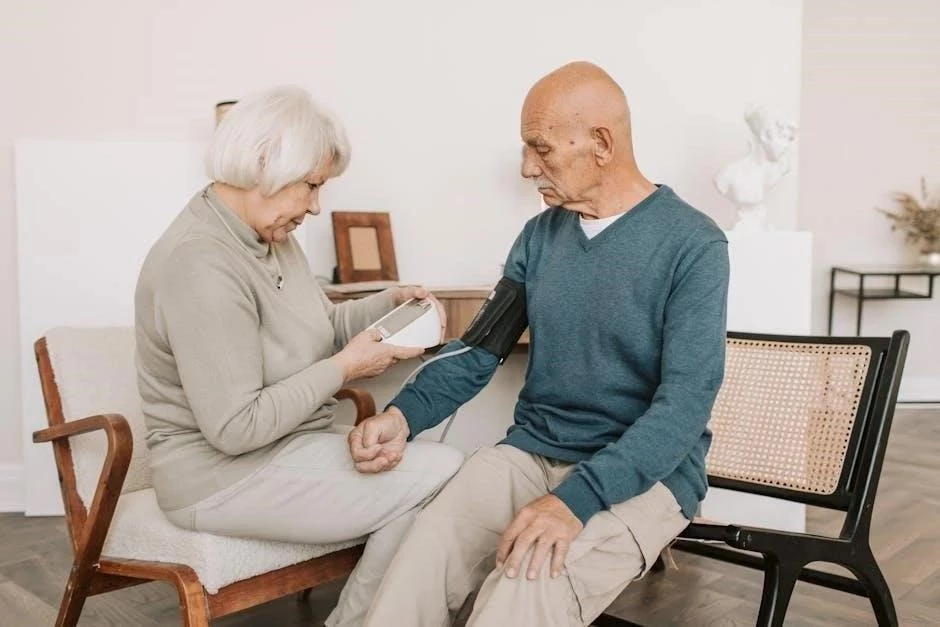
Addressing the Risk of Re-hospitalization in NYC
New York City hospitals are often operating at high capacity, making the prevention of re-hospitalization a priority for both families and the healthcare system. A failed Zucker Hillside Hospital senior transition often stems from a lack of “eyes on the patient” during the evenings and weekends. By employing home nursing, families can create a safety net that operates outside of standard office hours. Nurses are trained to spot the “red flags” of behavioral decline long before they become a full-blown crisis requiring emergency room intervention. This proactive approach is the cornerstone of modern geriatric behavioral health care.
- Establishing a clear crisis intervention plan that outlines exactly who to call and when.
- Conducting regular safety assessments of the home to remove potential hazards.
- Providing respite for family caregivers to prevent “caregiver burnout,” which can negatively affect the patient’s stability.
- Liaising with NYC-based social services to ensure all nutritional and social needs are met.
- Utilizing telehealth tools to provide immediate consultations with clinical experts when issues arise.
The Role of Environmental and Social Stimulation
Recovery is not just about the absence of symptoms; it is about the presence of a fulfilling life. After leaving Zucker Hillside, seniors often struggle with social isolation, which is a major driver of depression in New York’s elderly population. Mental health support should include strategies for re-engaging with the community in a safe and structured way. Whether it is attending a local senior center in Queens or simply taking a walk in a nearby park, these activities are essential for cognitive health and emotional resilience. A home nurse can facilitate these activities, providing the necessary supervision to ensure safety while encouraging independence.
- Developing a daily schedule that includes both rest and active engagement.
- Encouraging participation in cognitive exercises, such as puzzles or reading, to maintain brain health.
- Identifying local NYC resources, such as specialized senior programs or support groups.
- Facilitating safe social interactions with friends and family members.
- Monitoring the patient’s reaction to social stimuli to prevent overstimulation and agitation.
Psychological Resilience and Family Education
A successful Zucker Hillside Hospital senior transition involves the entire family unit. Often, family members feel ill-equipped to handle the nuances of a psychiatric diagnosis. Professional mental health support includes a heavy component of education, teaching families about the nature of the illness, the expected recovery timeline, and how to provide emotional support without enabling unhealthy behaviors. This education helps to reduce the stigma associated with mental health issues and empowers the family to become active participants in the recovery process. In the high-stress environment of New York, having a professional guide can significantly reduce the emotional burden on everyone involved.
- Regular family meetings to discuss progress and adjust the care plan as needed.
- Training on de-escalation techniques for times when the patient may become frustrated or confused.
- Guidance on how to maintain a calm and supportive home atmosphere.
- Support for the primary caregiver to ensure their own mental health is not neglected;
- Clarification of the long-term prognosis and setting realistic goals for recovery.
Collaborating with the Zucker Hillside Clinical Team
Finally, the bridge between inpatient care and home care must be seamless. The nursing team providing mental health support must maintain an open line of communication with the specialists at Zucker Hillside. This ensures that any changes in the patient’s condition are reported back to the primary psychiatric team immediately. In the NYC healthcare system, data sharing and collaborative care are the keys to avoiding gaps in service. By working as a unified front, the hospital, the home care agency, and the family can create an environment where the senior doesn’t just survive after discharge but truly thrives.
- Attendance at discharge planning meetings to ensure all clinical needs are addressed.
- Detailed reporting of daily vitals and behavioral observations to the outpatient psychiatrist.
- Ensuring all follow-up appointments at Northwell Health facilities are kept and transported to safely.
- Advocating for the patient’s needs within the larger NYC healthcare bureaucracy.
- Updating the home care plan based on the evolving recommendations from the hospital team.
Psychiatric Nursing | Licensed RN visits focused on mental status exams | Detects early signs of relapse or cognitive decline
Medication Management | Review of dosages, timing, and side effects | Prevents dangerous interactions and ensures efficacy
Crisis Intervention | 24/7 availability for behavioral escalation | Avoids unnecessary emergency room visits in NYC
Family Coaching | Education on communication and de-escalation | Reduces caregiver stress and improves home environment
Social Re-integration | Assisted outings and cognitive stimulation | Combats isolation and improves quality of lifeContact ProLife Home Care NYC for a free clinical assessment:(718) 232 – 2777
Frequently Asked Questions
What are the first steps after a Zucker Hillside Hospital senior transition?
The first steps include establishing a regular medication schedule, setting up the home environment for safety, and ensuring a specialized nurse is scheduled for initial assessments.
Why is Mental Health Support necessary at home?
Mental health support is necessary because the transition from a clinical setting to home can be overwhelming, leading to a high risk of symptom recurrence or medication errors.
How does home nursing reduce re-hospitalization?
Home nursing provides continuous monitoring and early intervention, allowing clinicians to address minor issues before they escalate into a crisis requiring hospital care.
What should I do if a senior refuses medication after discharge?
If a senior refuses medication, you should immediately contact their behavioral health nurse or the psychiatrist at Zucker Hillside, as this is a major red flag for relapse.
Are there specific NYC resources for mental health recovery?
Yes, New York offers various resources, but a specialized home care agency is often the most effective way to coordinate between hospital teams, outpatient clinics, and community services.
Contact ProLife Home Care NYC for a free clinical assessment: (718) 232-2777