Caring for an aging parent in New York City often means worrying about whether they are eating enough during the hours their home health aide is not present. It is heartbreaking to see a loved one struggle with the physical demands of grocery shopping or the safety risks of using a stove when they live alone. Many families find themselves stretched thin trying to balance work and personal lives while ensuring their senior relatives receive the balanced meals they deserve. Fortunately, the city offers specialized programs designed to bridge this nutritional gap and provide peace of mind for devoted caregivers.
Clinical Quick Answer
New York City provides a robust infrastructure for home-delivered meals through the Department for the Aging (DFTA), specifically targeting residents aged 60 and older who are unable to prepare their own food. These NYC senior center home delivery meals are clinically designed to meet one-third of a senior’s daily nutritional requirements while accommodating specific dietary needs such as kosher, halal, or therapeutic diets. Eligibility is determined through a professional assessment of functional limitations, ensuring that those with the highest clinical and social needs receive priority assistance.
The Critical Importance of Nutrition for Seniors in Urban Environments
Maintaining proper Nutrition for Seniors is not merely about calorie intake; it is a fundamental pillar of geriatric medicine that prevents hospitalizations and slows the progression of chronic diseases. In a dense urban environment like NYC, seniors face unique barriers to food security, including high costs of living and “food deserts” in certain boroughs; From a clinical perspective, aging brings physiological changes that alter nutritional needs, such as a decrease in metabolic rate, changes in taste perception, and reduced absorption of essential micronutrients like Vitamin B12 and Vitamin D.
- Sarcopenia Prevention: High-quality protein intake is essential to prevent the age-related loss of muscle mass, which directly correlates to a senior’s risk of falls and fractures.
- Cognitive Function: Omega-3 fatty acids and antioxidants found in fresh produce are vital for maintaining neuroplasticity and reducing the risk of dementia-related decline.
- Medication Efficacy: Many medications taken by seniors for hypertension or diabetes require consistent food intake to prevent gastric irritation or dangerous drops in blood glucose levels.
- Immune Support: Proper levels of Zinc and Vitamin C help the aging immune system fight off common infections like pneumonia or urinary tract infections (UTIs).
Understanding NYC Senior Center Home Delivery Meals
The NYC senior center home delivery meals program, often colloquially referred to as “Meals on Wheels,” is a sophisticated logistical operation; While senior centers serve as community hubs where active seniors can enjoy “congregate meals,” the home-delivery arm focuses on the homebound population. These meals are prepared by specialized kitchens and distributed through community-based organizations and non-profits that partner with the city. For many recipients, the delivery person is the only individual they see all day, making the service a vital social touchpoint.
- Hot Meal Delivery: Most programs provide a daily hot meal delivered between 10:00 AM and 2:00 PM, ensuring the senior has a warm, balanced lunch.
- Frozen and Cold Options: For those who prefer more flexibility or live in areas where daily delivery is challenging, weekly deliveries of flash-frozen or chilled meals that meet the same nutritional standards are available.
- Weekend and Holiday Services: Specialized providers ensure that the most vulnerable seniors do not go without food during weekends or major holidays when other services might be closed.
- Emergency Food Boxes: During winter months or extreme weather events, the city distributes shelf-stable emergency food boxes to ensure continuity of nutrition.
Clinical Eligibility and the Assessment Process
To access these services, a senior must undergo a comprehensive assessment conducted by a Case Management Agency (CMA) contracted by the NYC Department for the Aging. This is not just a financial check; it is a clinical and functional evaluation. The goal is to identify individuals who cannot safely perform “Activities of Daily Living” (ADLs) or “Instrumental Activities of Daily Living” (IADLs) related to food procurement and preparation. Unlike many other social services, home-delivered meals in NYC are not strictly based on income, though a voluntary contribution is often suggested.
- Age Requirement: The primary applicant must be at least 60 years of age.
- Functional Limitations: The senior must demonstrate an inability to shop for food or prepare meals due to physical disability, cognitive impairment, or frailty.
- Lack of Informal Supports: The assessment considers whether there is a family member or neighbor available and willing to provide consistent meal support.
- Homebound Status: While the definition can be flexible, it generally applies to those who have difficulty leaving their residence without significant assistance.
Therapeutic and Culturally Specific Dietary Options
NYC is one of the most diverse cities in the world, and its meal programs reflect this. Nutrition for Seniors must respect cultural traditions and medical restrictions to be effective. The Department for the Aging mandates that all meals meet strict dietary guidelines, but they also offer specialized menus that cater to the specific demographics of different neighborhoods, such as Chinatown, Harlem, or the Lower East Side.
- Therapeutic Diets: Meals can be tailored for individuals with chronic conditions, offering low-sodium options for heart health or carb-consistent meals for those managing Type 2 diabetes.
- Kosher and Halal Services: NYC provides some of the largest Kosher meal delivery programs in the nation, adhering to strict religious laws, as well as Halal-certified options for Muslim seniors.
- Soft and Pureed Diets: For seniors suffering from dysphagia (swallowing difficulties) or dental issues, meals can be prepared in textures that are safe and easy to consume.
- Cultural Favorites: Many providers offer menus that include traditional Caribbean, Asian, or Latin American cuisines, which encourages seniors to eat more by providing familiar flavors.
The “More Than a Meal” Wellness Check
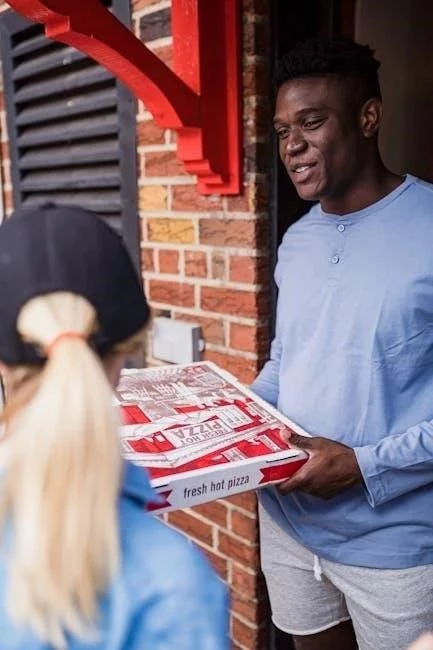
One of the most significant clinical benefits of NYC senior center home delivery meals is the daily wellness check. The delivery personnel are trained to observe the senior and their environment, acting as an early warning system for health crises. This is particularly important for seniors who may have a home health aide for only a few hours a day or a few days a week. The delivery driver becomes an essential part of the care team, often identifying issues before they require emergency intervention.
- Fall Detection: Drivers are often the first to find a senior who has fallen and cannot get up to call for help.
- Cognitive Monitoring: Noticing changes in a senior's behavior or grooming can signal a decline in mental health or the onset of dementia.
- Environmental Safety: Drivers can report issues like lack of heat in the winter or evidence of elder abuse or neglect.
- Referral Services: If a driver notices a change in health, they report it back to the case manager, who can then coordinate with the family or medical professionals.
How to Apply: Navigating the NYC System
For families, navigating the bureaucracy can be overwhelming. The process usually begins with a phone call to 311, the city’s primary information line. Once a request is made, it is routed to the appropriate borough-based Case Management Agency. It is important for caregivers to be prepared with medical documentation and a clear description of why the senior is unable to manage their own meals. In cases of urgent need-such as a senior being discharged from a hospital without any food at home-the process can often be expedited.
- Step 1: Initial Contact: Call 311 and ask for “Senior Meal Delivery” or contact the DFTA Aging Connect line directly.
- Step 2: Intake Interview: A case manager will conduct an initial screening over the phone to determine basic eligibility.
- Step 3: In-Home Assessment: Within a specified timeframe, a social worker will visit the senior’s home to conduct a more detailed evaluation.
- Step 4: Program Assignment: Once approved, the senior will be assigned to a local meal provider who will coordinate delivery times and dietary preferences.
Nurse Insight: In my experience, families often wait too long to apply for these programs because they feel guilty about not being able to cook for their parents themselves. Please understand that Nutrition for Seniors is a complex medical requirement, and utilizing professional meal services is a sign of proactive care, not a failure. I have seen countless cases where the daily visit from a meal delivery driver was the catalyst for identifying a life-threatening medical issue that otherwise would have gone unnoticed until the next aide’s shift. Don’t view this as a replacement for family care, but as an essential layer of safety and health for your loved one.
Frequently Asked Questions
Is there a cost for NYC home-delivered meals for seniors?
What if my loved one has severe allergies or needs a specific diet like Kosher?
Can a senior receive home-delivered meals if they already have a home health aide?
How quickly can meal services start in an emergency?
Are the meals nutritionally balanced for someone with medical issues?
Contact ProLife Home Care NYC for a free clinical assessment:(718) 232 – 2777
Contact ProLife Home Care NYC for a free clinical assessment: (718) 232-2777