Caring for an aging family member in New York City brings unique challenges, especially regarding their physical safety and independence. We understand the constant worry that accompanies a loved one living alone in a high-rise or a bustling neighborhood. Modern technology is rapidly evolving to transform this fear into confidence through advanced monitoring solutions. By embracing these innovations, your family can ensure that your elders remain protected while maintaining the dignity they deserve.
Clinical Quick Answer
The landscape of geriatric safety is shifting toward highly predictive and non-intrusive monitoring systems that anticipate risks before they result in injury. By leveraging advanced sensors and AI, the next generation of safety tools will provide real-time data to caregivers and medical professionals. Families can explore these advancements through NYC Medicaid coverage options to ensure their loved ones are protected by the latest standards in home care technology.
The Evolution of Fall Prevention 2025: From Reactive to Proactive
In the past, fall safety was almost entirely reactive, relying on the senior to press a button after an accident had already occurred. As we look toward Fall Prevention 2025, the clinical focus is shifting toward proactive intervention. This involves identifying the physiological and environmental “near-misses” that precede a serious fall. For NYC residents, where apartment layouts can be cramped and walking surfaces uneven, this shift is critical.
- Environmental Hazard Mapping: Modern systems now use LiDAR and computer vision to identify tripping hazards like loose rugs or cluttered pathways in real-time.
- Medication Interaction Alerts: Advanced software tracks prescriptions that may cause dizziness or orthostatic hypotension, a leading cause of falls among the elderly.
- Hydration and Nutrition Monitoring: Dehydration is a common but overlooked cause of syncope (fainting); 2025 protocols emphasize sensors that track fluid intake levels.
- Strength and Balance Diagnostics: Clinicians are increasingly using digital “tug” (Timed Up and Go) tests performed at home via smart sensors to measure declining mobility.
- Community Safety Integration: NYC-specific initiatives are linking home sensors with building security systems to ensure emergency responders can access high-rise apartments instantly.
Technological Breakthroughs in Wearable Fall Detection 2026
The year 2026 marks a milestone in hardware development. We are moving away from bulky pendants to discreet, medical-grade devices integrated into everyday items. Wearable fall detection 2026 standards emphasize high-fidelity data collection that differentiates between a senior sitting down quickly and an actual impact. These devices are now capable of multi-axis acceleration analysis, providing a 99% accuracy rate in urban environments.
- Biometric Smart Jewelry: Sensors are now hidden within rings and bracelets, monitoring heart rate variability and blood oxygen alongside movement patterns.
- Smart Clothing Fibers: E-textiles are becoming more common, with vests and shirts that have built-in accelerometers to track the center of gravity.
- Sub-Dermal Impact Sensors: While still emerging, some high-risk patients are opting for minimally invasive sensors that provide the most accurate bone-density and impact data.
- Extended Battery Life: New solid-state batteries allow these devices to run for months without a charge, solving the most common failure point in wearable tech.
- Global Positioning Enhancements: In the “urban canyons” of Manhattan, traditional GPS often fails; 2026 wearables use terrestrial beacons and Wi-Fi positioning for pinpoint accuracy indoors.
Integrating Smart Home Ecosystems for NYC Seniors
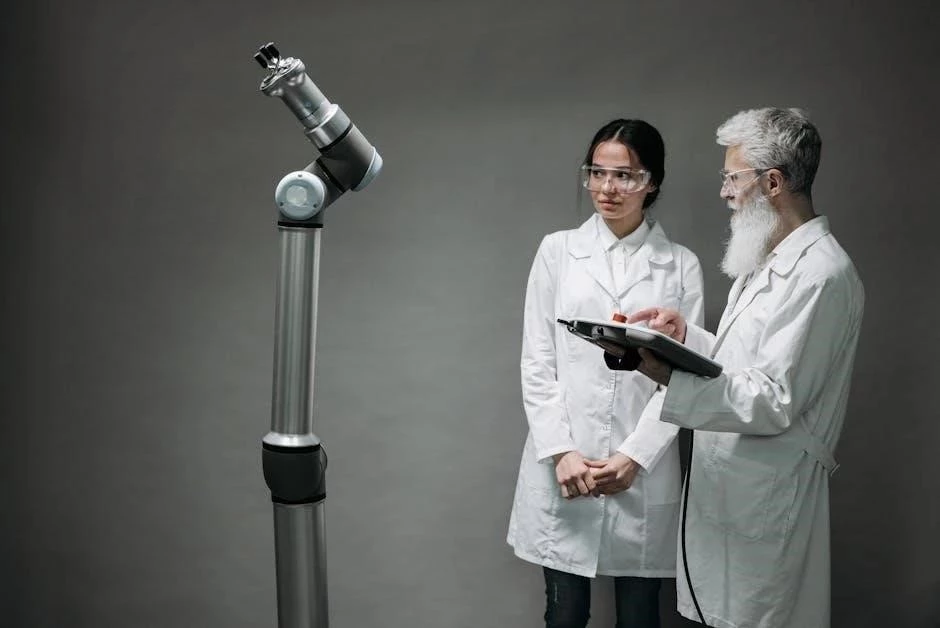
A wearable device is only one part of a comprehensive safety net. For New Yorkers, integrating these devices with a smart home ecosystem provides a 360-degree view of a senior's well-being. This connectivity allows for “ambient sensing,” where the home itself becomes a caregiver, watching for deviations in daily routines that might signal a health crisis.
- Predictive Lighting Systems: Smart bulbs that illuminate a path to the bathroom at night when a wearable detects the senior is sitting up in bed.
- Voice-Activated Emergency Dispatch: If a wearable detects a fall but the senior is conscious, they can use voice commands to cancel a false alarm or request specific help.
- Automatic Climate Control: Sensors that detect when an apartment is too hot or cold, conditions that can lead to confusion and subsequent falls.
- Smart Floor Pressure Mats: Placed beside the bed or in the kitchen, these mats cross-reference data with the wearable to confirm the senior’s location and stability.
- Remote Caregiver “Check-In” Dashboards: Families can view a simplified “green-yellow-red” status of their loved one via a secure mobile app.
Clinical Benefits of AI-Driven Gait Analysis
One of the most significant clinical advancements linked to Wearable fall detection 2026 is the use of Artificial Intelligence to analyze gait. By studying the “shuffling” or “sway” in a senior's walk, AI can predict a fall up to three weeks before it happens. This allows doctors to adjust medications or order physical therapy before an injury occurs.
- Symmetry Monitoring: AI detects if a patient is favoring one leg, which often indicates undiagnosed hip or knee pain.
- Stride Length Variability: A sudden shortening of stride length is a clinical marker for neurological changes or increased anxiety about falling.
- Trend Analysis over Time: Unlike a one-time doctor’s visit, wearables provide 24/7 data, showing how a patient's mobility changes throughout the day.
- Fall Archetyping: AI can categorize falls (e.g., trip vs. collapse), which helps medical teams determine the underlying cause, such as a cardiac event or a mechanical obstacle.
- Personalized Rehabilitation: Gait data is sent directly to physical therapists to create custom exercise programs based on the user’s specific weaknesses.
Navigating Medicaid and Insurance for Advanced Safety Tech
Accessing these technologies in NYC requires an understanding of the current insurance landscape. Many New York Medicaid Managed Long Term Care (MLTC) plans are beginning to recognize that providing Fall Prevention 2025 technology is more cost-effective than paying for a hip fracture hospitalization. Families should be proactive in requesting these “social determinants of health” tools during their annual assessments.
- CDPAP Flexibility: The Consumer Directed Personal Assistance Program allows for more personalized care, which can include the setup and monitoring of safety tech.
- MLTC Benefit Overviews: Some NYC plans offer “Environmental Supports” that can cover the cost of smart home installations and wearable subscriptions.
- Private Insurance Reimbursement: Several Medicare Advantage plans now include a “safety allowance” for medical alert systems and fall detection.
- Veteran Benefits: NYC veterans may be eligible for specialized grants that cover the latest in assistive technology through the VA.
- Grant Programs: Non-profits in the five boroughs often provide subsidies for low-income seniors to access high-tech safety devices.
The Role of Remote Patient Monitoring (RPM) in Long-Term Care
Remote Patient Monitoring is the bridge between home safety and clinical excellence. By 2026, RPM will be a standard of care for any senior with a history of falls. This system ensures that a fall isn’t just a physical event, but a data point that triggers a comprehensive medical review. In the density of NYC, RPM allows a single nurse to monitor hundreds of patients effectively.
- Real-Time Vital Sign Integration: Wearables send heart rate and blood pressure data to a central nursing hub the moment a fall is detected.
- Reduced Hospital Readmissions: By monitoring recovery at home via tech, seniors avoid the “revolving door” of hospital stays.
- Psychological Security: Knowing that a medical professional is viewing their data helps reduce the “fear of falling” that often keeps seniors sedentary.
- Family Peace of Mind: Caregivers receive the same alerts as the medical team, ensuring everyone is on the same page during an emergency.
- Data-Driven Family Meetings: Instead of guessing how Mom is doing, families can look at objective mobility reports to make informed decisions about her care level.
Nurse Insight: In my experience working with NYC Medicaid recipients, the biggest hurdle isn’t the technology itself, but the consistency of use. Many seniors leave their “buttons” on the nightstand because they feel they are unattractive or stigmatizing. That is why I am so excited about Wearable fall detection 2026. When the technology is hidden in a beautiful watch or a comfortable piece of clothing, compliance sky-rockets. My advice to families: don’t just buy the tech; involve your loved one in choosing the style so they feel empowered, not monitored.
Frequently Asked Questions
Does NYC Medicaid cover the cost of high-tech wearable fall detectors?
How do these devices work if my loved one lives in a high-rise building with poor signal?
What is the difference between Fall Prevention 2025 and older safety methods?
Can these wearables detect a slow fall or a slump against a wall?
Are there any privacy concerns with 24/7 monitoring in a private home?
Contact ProLife Home Care NYC for a free clinical assessment:(718) 232 – 2777
Contact ProLife Home Care NYC for a free clinical assessment: (718) 232-2777