Caring for a loved one at home is a profound commitment that often requires significant emotional and physical endurance. Caregiver support groups Bronx provide a vital space for family members to connect, share resources, and find the understanding they need to persevere. These networks help bridge the gap between isolation and community, ensuring that no one in our borough has to face the challenges of caregiving alone. By tapping into local expertise and peer wisdom, families can navigate the complexities of home health care with greater confidence and peace of mind.
Clinical Quick Answer
Finding high-quality Bronx Home Care is the first step toward creating a sustainable environment for both the patient and the family caregiver. Clinical evidence suggests that integrating professional medical assistance with community-based support significantly reduces the risk of caregiver burnout and improves patient compliance with medical regimens. These local resources offer a combination of skilled nursing, personal care, and emotional counseling tailored to the unique demographics of the Bronx.
The Vital Role of Caregiver Support Groups Bronx
Caregiver support groups in the Bronx serve as an essential lifeline for residents who are managing the daily needs of elderly parents, disabled relatives, or chronically ill children. These groups are more than just social gatherings; they are clinical interventions that address the psychological strain associated with long-term care. In a borough as diverse as the Bronx, these groups often cater to specific cultural and linguistic needs, ensuring that support is accessible to all residents. They provide a platform where caregivers can discuss the nuances of the New York healthcare system, from Medicaid applications to finding reliable transportation for medical appointments.
- Peer Validation: Connecting with others who share similar daily struggles helps normalize the feelings of frustration and exhaustion that often accompany caregiving.
- Resource Sharing: Members often share practical tips on the best local pharmacies, accessible parks, and reliable home health agencies.
- Emotional Resilience: Regular attendance in a support group has been shown to lower cortisol levels and reduce symptoms of depression in family caregivers.
- Advocacy Skills: Groups often invite guest speakers, such as social workers or elder law attorneys, to teach members how to better advocate for their loved ones’ rights.
- Crisis Prevention: By having a network to lean on, caregivers are more likely to seek help before a situation reaches a breaking point.
Navigating Bronx Home Care and Professional Services
When family members realize they can no longer manage care alone, professional Bronx Home Care services become the cornerstone of the household’s stability. These services range from basic assistance with activities of daily living (ADLs) to complex medical care provided by registered nurses. In the Bronx, home care is often funded through Medicaid, making it vital for families to understand the eligibility requirements and the different models of care available, such as the Consumer Directed Personal Assistance Program (CDPAP). This professional intervention allows family caregivers to step back from medical tasks and focus on their relationship with their loved one.
- Personal Care Assistance: Help with bathing, dressing, and grooming to maintain the patient’s dignity and hygiene.
- Skilled Nursing: Management of medications, wound care, and monitoring of chronic conditions like diabetes or hypertension.
- Nutritional Support: Assistance with meal preparation that adheres to specific dietary restrictions required for clinical management.
- Safety Assessments: Professionals can evaluate the home environment for fall risks, which is especially important in older Bronx housing structures.
- Coordination of Care: Home care agencies often act as the liaison between the primary care physician and the family, ensuring all medical instructions are followed.
The Psychological Impact of Long-Term Caregiving
The clinical community increasingly recognizes “caregiver syndrome” as a serious health condition characterized by physical, emotional, and mental exhaustion. In the fast-paced environment of the Bronx, caregivers face additional stressors such as navigating public transit with medical equipment or managing care in multi-generational households. Understanding the psychological toll is the first step in seeking help. Support groups provide the cognitive behavioral tools necessary to manage these stressors, offering techniques for mindfulness and stress reduction that are vital for long-term health; Without intervention, the caregiver’s health may decline to the point where they can no longer provide care, creating a secondary health crisis within the family.
- Identifying Burnout: Symptoms include chronic fatigue, changes in sleep patterns, and a sense of hopelessness.
- Combatting Isolation: Many caregivers become homebound; support groups provide a necessary social outlet that maintains their connection to the outside world.
- Grief and Loss Support: Many groups focus on the “anticipatory grief” felt when caring for someone with a progressive illness like Alzheimer’s.
- Setting Boundaries: Learning how to say no to excessive demands is a key clinical skill taught in support environments.
- Cognitive Reframing: Helping caregivers shift their perspective from “burden” to “meaningful service” while acknowledging their own needs.
Medicaid and Financial Resources for Bronx Families
Financial stress is a major component of caregiver burden. In the Bronx, many families rely on Medicaid to fund home care services. Navigating the “spend-down” process or understanding how to qualify for the CDPAP program can be overwhelming. Local support networks often include specialists who can guide families through the paperwork required by the New York City Human Resources Administration (HRA). These resources are clinical in nature because financial stability directly impacts the quality of care a patient receives and the mental health of the caregiver. Knowing that care is funded and sustainable allows the family to focus on recovery and comfort.
- CDPAP Eligibility: Understanding how family members can be paid to provide care through Medicaid.
- Medicaid Managed Long Term Care (MLTC): Navigating the plans available in the Bronx to ensure the best coverage for home services.
- Pooled Income Trusts: A clinical-financial tool that allows individuals with excess income to qualify for Medicaid while still paying for their living expenses.
- Grant Programs: Identifying local Bronx charities that offer small grants for home modifications or medical equipment.
- Legal Aid: Connecting with pro bono legal services in the Bronx for help with power of attorney and healthcare proxies.
Community-Based Organizations in the Bronx
The Bronx is home to several prestigious institutions and community-based organizations (CBOs) that offer specialized caregiver support. From the Montefiore Health System to smaller neighborhood nonprofits, these organizations provide a localized approach to care. These CBOs understand the specific challenges of different Bronx neighborhoods, from Riverdale to Mott Haven. They often offer respite care programs, which allow the primary caregiver to take a much-needed break while a trained professional or volunteer steps in. This “respite” is clinically proven to reduce the incidence of elder abuse and caregiver breakdown.
- Hospital-Based Programs: Montefiore and Jacobi medical centers offer support groups specifically for families of patients with chronic diseases.
- Senior Centers: Many local Bronx senior centers have dedicated “caregiver corners” with literature and staff available for consultation.
- Faith-Based Support: Numerous churches and community centers in the Bronx provide spiritual and emotional support tailored to their congregations.
- Alzheimer’s Association (NYC Chapter): Offers specialized Bronx-based workshops for those dealing with memory loss.
- Neighborhood Partnerships: Collaborative efforts that bring together local businesses and healthcare providers to support home-bound residents.
Clinical Strategies for Sustainable Home Care
To provide care that is clinically sound and sustainable, caregivers must adopt a professional mindset regarding their own health. This includes scheduling regular medical check-ups for themselves and maintaining a healthy diet. Caregiver support groups Bronx often emphasize the “oxygen mask” rule: you must secure your own health before you can effectively help someone else. By implementing structured routines and utilizing Bronx Home Care professionals for difficult tasks-such as lifting or wound care-the family caregiver can preserve their physical health and prevent common injuries like lower back strain or repetitive motion disorders.
- Routine Implementation: Creating a structured daily schedule reduces anxiety for both the caregiver and the patient.
- Proper Lifting Techniques: Education on body mechanics is essential to prevent musculoskeletal injuries in the home.
- Medication Management Systems: Utilizing pill organizers and automated reminders to reduce the cognitive load on the caregiver.
- Self-Care Appointments: Treating one’s own therapy or exercise as a non-negotiable medical appointment.
- Emergency Planning: Developing a “red folder” with all medical contacts and history in case the caregiver themselves becomes ill.
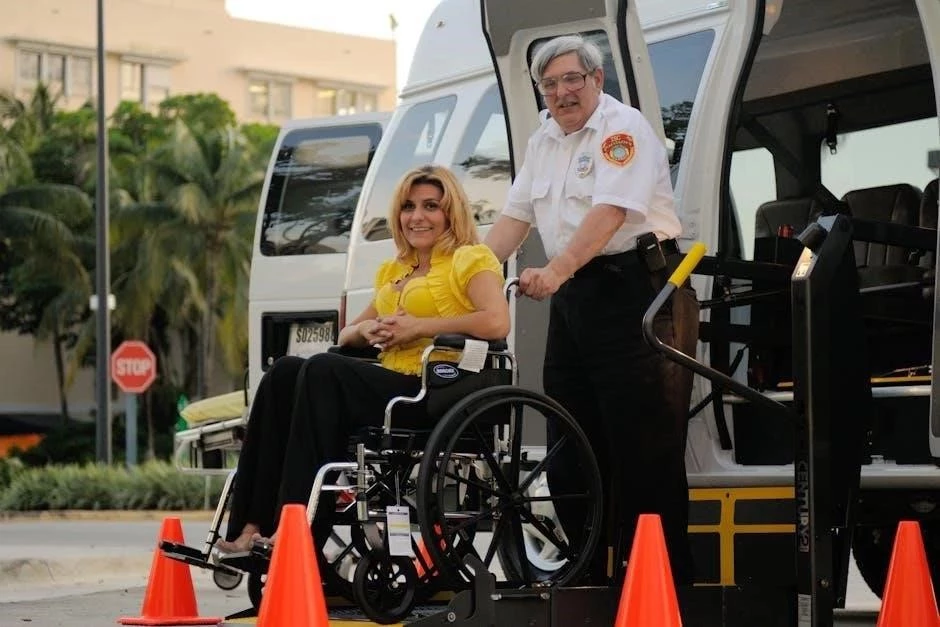
Nurse Insight: In my experience working with families across the Bronx, the most successful caregiving situations are those where the family doesn’t try to do everything alone. I have seen daughters and sons completely transformed after joining a local support group; they move from a state of constant crisis to one of managed care. My advice is always to integrate professional Bronx Home Care early on, even if it is just for a few hours a week. This clinical backup provides a safety net that allows the family to focus on being a family, rather than just being a 24/7 medical provider. Don’t wait until you are exhausted to seek help; proactive support is the best medicine for the whole family.
Frequently Asked Questions
How can I find a caregiver support group in the Bronx near me?
What is the difference between home care and a support group?
Does Medicaid cover the cost of caregiver support in the Bronx?
Can I get paid to be a caregiver for my family member in the Bronx?
Are there specialized support groups for different languages in the Bronx?
Contact ProLife Home Care NYC for a free clinical assessment:(718) 232 – 2777
Contact ProLife Home Care NYC for a free clinical assessment: (718) 232-2777