As a senior registered nurse with years of experience in the New York City healthcare system, I have assisted countless families navigating the transition from Kings County Hospital home health to specialized recovery at home. Providing high-quality Brooklyn Care requires more than just clinical skill; it demands an intimate understanding of our local neighborhoods, the challenges of urban living, and the specific protocols of major Brooklyn trauma centers. My goal is to ensure that every patient leaving the hospital feels supported, safe, and empowered to regain their independence in their own environment.
Specialized recovery plans for Kings County Hospital home health are designed to provide a seamless transition from the hospital to the home by addressing clinical, social, and functional needs. These plans ensure that Brooklyn Care is tailored to the specific diagnosis of the patient, reducing the risk of readmission and improving long-term health outcomes through dedicated nursing and therapy services.
From my clinical perspective, the most significant risk during a discharge from a major facility like Kings County is the breakdown in communication during the first forty-eight hours. Many New York patients face “medication fog,” where the transition from hospital-administered drugs to self-management leads to dangerous errors. A common mistake is failing to reconcile pre-hospitalization medications with new discharge orders, which is why a professional nurse assessment on day one is not just a luxury, but a critical safety requirement to prevent adverse drug events and unnecessary emergency room returns.
ProLife Home Care offers the expertise and local knowledge necessary to manage complex recoveries following a hospital stay in Brooklyn. Our team prioritizes patient safety and personalized attention to ensure every individual receives the highest standard of support. Learn more about our comprehensive services by visiting ProLife Home Care for expert assistance.
The transition from a high-volume municipal facility like Kings County Hospital to the home setting is one of the most vulnerable periods in a patient’s healthcare journey. Kings County Hospital home health services are essential because they bridge the gap between the intensive monitoring of an acute care setting and the autonomy of home life. In a borough as diverse and bustling as Brooklyn, care cannot be one-size-fits-all. It requires a nuanced approach that considers the patient’s medical history, their physical home environment, and the community resources available to them. This comprehensive guide explores how specialized recovery plans and dedicated Brooklyn Care can transform the healing process for New Yorkers.
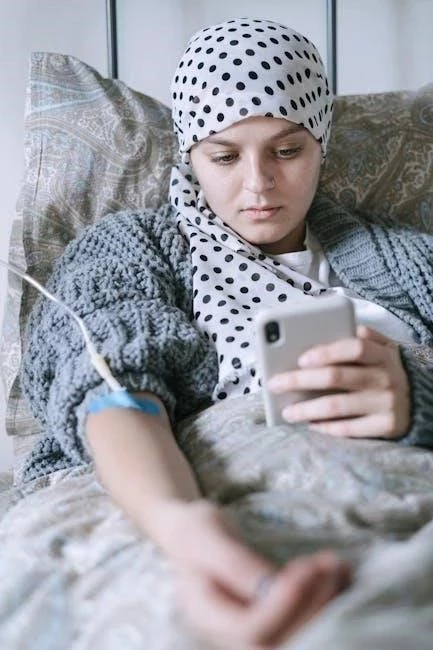
The Complexity of the NYC Healthcare System and Post-Hospitalization
Navigating the healthcare system in New York City is notoriously difficult. For patients discharged from Kings County, the challenges are often compounded by the intensity of the care they received at one of the city’s busiest Level 1 trauma centers. Specialized recovery plans are necessary because the medical needs of these patients often involve complex wound care, intravenous therapy, or intensive rehabilitation that cannot be easily managed by family members alone.
- Coordination with NYC Health + Hospitals: Ensuring that the home health team has real-time access to discharge summaries and pharmacy orders.
- Navigating Insurance and Authorizations: Managing the administrative side of New York Medicaid and Medicare to ensure continuous care without interruptions.
- Addressing the Urban Environment: Evaluating home safety in Brooklyn apartments, which may include navigating stairs or limited space for medical equipment.
- Continuity of Care: Bridging the gap between the hospitalist and the primary care physician to ensure no medical instruction is lost in translation.
The Vital Role of Clinical Monitoring in Brooklyn Care
Clinical excellence in the home setting is defined by the ability to catch small changes in a patient’s condition before they become emergencies. For those utilizing Kings County Hospital home health, this means having a skilled nurse who can perform head-to-toe assessments, monitor vital signs, and manage complex equipment. Brooklyn Care is about more than just checking boxes; it is about proactive advocacy for the patient.
- Vitals Tracking: Regular monitoring of blood pressure, heart rate, and oxygen levels, especially for cardiac or pulmonary patients.
- Wound Care Management: Expert dressing changes and monitoring for signs of infection such as redness, warmth, or discharge.
- Medication Reconciliation: The process of comparing the hospital’s discharge list with what the patient has at home to prevent doubling up or missing doses.
- Patient and Caregiver Education: Teaching families how to recognize “red flag” symptoms that require immediate medical attention.
Physical Rehabilitation and Mobility Challenges
Recovery is not just about healing from illness; it is about regaining the physical strength to navigate Brooklyn. Whether it is walking to the local bodega or climbing a flight of stairs in a brownstone, mobility is key to a New Yorker’s quality of life. Specialized recovery plans include physical and occupational therapy tailored to the specific environment the patient lives in.
- Home Safety Evaluations: Identifying trip hazards like rugs or cluttered pathways that could lead to falls.
- Gait Training: Helping patients regain the ability to walk safely with or without assistive devices like canes or walkers.
- Transfer Training: Teaching patients how to move safely from a bed to a chair or in and out of a shower.
- Strength and Endurance Building: Exercises designed to improve cardiovascular health and muscular strength following long periods of bed rest.
Managing Chronic Conditions Post-Discharge
Many patients discharged from Kings County are managing long-term chronic conditions such as diabetes, heart failure, or COPD. The period immediately following a hospital stay is a high-risk time for these conditions to flare up. Brooklyn Care focuses on stabilizing these conditions through diet, medication, and lifestyle adjustments that are sustainable in an urban setting.
- Nutritional Counseling: Helping patients find healthy food options within their neighborhood and managing specialized diets (e.g., low-sodium or diabetic-friendly).
- Blood Sugar Management: Teaching proper insulin administration and the use of glucose monitors.
- Respiratory Support: Managing home oxygen therapy and teaching breathing techniques to reduce shortness of breath.
- Fluid Volume Monitoring: Crucial for heart failure patients to prevent fluid buildup that could lead to re-hospitalization.
The Impact of Social Determinants on Recovery
In Brooklyn, health is heavily influenced by social factors such as housing stability, food security, and access to transportation. A specialized recovery plan must account for these social determinants to be truly effective. Kings County Hospital home health providers often work as social advocates, connecting patients with community resources that support their medical recovery.
- Access to Pharmacies: Ensuring that patients have a reliable way to get their prescriptions filled and delivered.
- Transportation Assistance: Coordinating Access-A-Ride or other services for follow-up appointments at Kings County or with specialists.
- Support Systems: Identifying and engaging family members or community organizations to provide emotional and functional support.
- Language and Cultural Competency: Providing care that respects the diverse cultural backgrounds of Brooklyn residents, ensuring clear communication in the patient’s preferred language.
The Importance of Immediate Follow-up and Long-term Stability
The ultimate goal of Brooklyn Care is to move the patient from a state of crisis to a state of stability. This requires a structured approach to the weeks following discharge. By setting clear milestones and maintaining open lines of communication with the entire medical team, specialized recovery plans provide a roadmap for success that empowers the patient.
- The 24-Hour Check-in: A critical nursing visit within the first day of returning home to establish the care routine.
- Weekly Progress Reviews: Adjusting the care plan based on the patient’s physical and emotional progress.
- Goal Setting: Establishing functional goals, such as walking a certain distance or managing personal hygiene independently.
- Transition to Independence: Gradually reducing the level of professional support as the patient and their family become more confident in managing care.
| Service | What It Includes | Why It Matters<br /> |
|---|---|---|
| Medication Management | RN-led reconciliation and scheduling | Prevents dangerous drug interactions and errors |
| Skilled Nursing Care | Wound care, injections, and assessment | Provides early detection of clinical complications |
| Rehabilitative Therapy | PT and OT sessions in the home | Restores mobility and independence in daily life |
Frequently Asked Questions
What makes Brooklyn Excellence recovery plans unique for Kings County discharges?
These plans are specifically tailored to the fast-paced, complex environment of Brooklyn, ensuring that the high-intensity care received at Kings County Hospital is matched by high-quality, personalized support at home.
How does Brooklyn Care coordinate with the hospital team?
Our care coordinators work directly with hospital social workers and discharge planners to ensure all medical records and instructions are accurately transitioned to the home health team.
What are the first steps after leaving Kings County?
The first step is a comprehensive home assessment by a registered nurse to review medications, evaluate home safety, and establish a customized clinical care plan.
Why is a specialized plan necessary for recovery?
Every patient has unique needs; a specialized plan ensures that specific risks, such as fall hazards or medication confusion, are addressed immediately to prevent readmission.
How is safety ensured during home recovery in Brooklyn?
Safety is ensured through regular nursing visits, continuous monitoring of vital signs, and professional evaluations of the home environment to mitigate risks.
Contact ProLife Home Care NYC for a free clinical assessment: (718) 232-2777