As a Senior Nurse serving the diverse boroughs of New York City for over twenty years, I have seen firsthand how the bond of family serves as the primary foundation for health in the Haitian community. When a loved one reaches their senior years, the transition to home care can feel overwhelming, but finding a provider who speaks your language and understands your traditions changes everything. French Creole home care Brooklyn services are not just about medical tasks; they are about honoring the roots that keep your family strong while ensuring safety and professional oversight. Our goal is to provide the clinical Nurse Support required to keep your elders in the comfort of their own homes, surrounded by the culture they love.
Clinical Quick Answer
Professional home health care for Haitian seniors in Brooklyn integrates skilled Nurse Support with culturally matched caregivers to ensure patient safety and medication adherence. By prioritizing providers fluent in French Creole, families can significantly reduce the risk of clinical errors caused by communication barriers while improving the patient’s emotional well-being. These services are often covered through New York Medicaid programs, allowing seniors to receive high-quality medical management without leaving their community.
The Critical Role of Cultural Competence in Brooklyn Home Care
- Understanding the Haitian Diaspora: In neighborhoods like Flatbush and Canarsie, the Haitian community is a vibrant and essential part of the Brooklyn landscape. Providing home care requires more than just a medical license; it requires a deep respect for the cultural history and family structures that define the lives of Haitian seniors; When a caregiver understands the nuances of Haitian traditions, they can build a deeper level of trust with the patient.
- The Concept of Lakay: For many seniors, the concept of home, or Lakay, is synonymous with safety and dignity. Moving to a nursing home can be a traumatic experience that leads to rapid cognitive decline and social isolation. French Creole home care Brooklyn services focus on keeping seniors in their own environment where they feel most empowered and connected to their history.
- Dietary Sensitivity and Nutrition: Food is a central part of health in Caribbean culture. A culturally competent nurse or aide knows how to manage chronic conditions like hypertension or diabetes while respecting traditional diets. This might involve finding healthy ways to prepare staples like diri ak pwa (rice and beans) or bouillon, ensuring the senior enjoys their meals while maintaining clinical health standards.
- Spiritual and Social Integration: Many Haitian seniors are deeply involved in their church communities. Home care providers who recognize the importance of spirituality can help seniors stay connected to their faith, which is often a major factor in mental health and resilience during illness.
The Impact of French Creole Language Services on Health Outcomes
- Eliminating Communication Barriers: Misunderstandings in medical instructions are a leading cause of hospital readmissions. When a senior can speak French Creole with their caregiver, they can accurately describe their pain levels, side effects from medication, and emotional state. This clarity allows for much faster clinical intervention when a problem arises.
- Medication Safety and Compliance: Many seniors take multiple medications for heart health or blood sugar. Professional Nurse Support ensures that labels and instructions are translated and understood. A nurse who speaks the patient’s language can explain exactly why a pill is necessary and what it does for the body, which significantly increases the likelihood that the senior will follow their regimen.
- Reducing Anxiety and Agitation: For seniors suffering from dementia or Alzheimer’s, losing the ability to speak a second language like English is common. Reverting to their native French Creole is a natural progression. Having a caregiver who can soothe them in their primary language prevents the agitation and fear that often leads to behavioral issues in clinical settings.
- Empowering the Patient Voice: Every senior deserves to be an active participant in their own care. Language services provide the tools for seniors to ask questions, voice concerns about their treatment, and maintain a sense of autonomy over their daily lives.
Comprehensive Nurse Support for Complex Medical Needs
- Skilled Nursing Interventions: Beyond basic companionship, many Haitian seniors require high-level clinical care. This includes wound management for diabetic ulcers, administration of intravenous (IV) medications, and the monitoring of catheters or oxygen equipment. Professional Nurse Support brings the hospital-level expertise into the living room.
- Chronic Disease Management: Conditions like congestive heart failure and chronic obstructive pulmonary disease (COPD) require daily vigilance. Nurses are trained to spot the early warning signs of a flare-up, such as sudden weight gain or changes in breathing patterns, allowing for early intervention that avoids an emergency room visit.
- Coordination with Primary Physicians: A home care nurse acts as the eyes and ears of the doctor. They maintain detailed clinical records and provide regular updates to the senior’s medical team in Brooklyn. This seamless communication ensures that the care plan is always up to date and reflective of the patient’s current health status.
- Physical and Occupational Therapy Support: Following a stroke or a fall, seniors often need help regaining their strength. Nurses and aides can assist with prescribed exercises and the use of mobility aids, ensuring that the senior remains active and reduces the risk of future injuries.
Navigating New York Medicaid and CDPAP for Home Care
- Understanding Eligibility: New York State offers several programs to help families afford home care. Most of these require the senior to be enrolled in Medicaid. Navigating the application process can be complex, but specialized agencies in Brooklyn are equipped to guide families through the paperwork and clinical assessments required by the NY State DOH.
- The Consumer Directed Personal Assistance Program (CDPAP): This is one of the most popular options for the Haitian community. It allows the senior to hire their own caregiver, including children or grandchildren. This model is ideal for families who prefer to keep care within the household while receiving a legal wage for the work they are already doing.
- Managed Long-Term Care (MLTC): Most Medicaid recipients in Brooklyn will need to enroll in an MLTC plan. These plans coordinate all aspects of home care, including the number of hours an aide is allowed to stay and the frequency of nurse visits. It is vital to choose a plan that has a strong network of providers in the Haitian community.
- Personal Care Assistant (PCA) Services: For those who do not have a family member available, agencies can provide certified PCAs who are trained in both clinical tasks and cultural sensitivity. These professionals help with “Activities of Daily Living” (ADLs) such as bathing, dressing, and grooming.
Addressing Mental Health and Social Isolation
- The Diaspora Experience: Many Haitian seniors in Brooklyn may feel a sense of loss or isolation from their homeland. Home care providers play a crucial role in social stimulation, engaging seniors in conversations about their history and current events in the Haitian community, which keeps the mind sharp and spirits high.
- Depression Screening and Support: Depression is often overlooked in the elderly, sometimes dismissed as a normal part of aging. Nurses are trained to recognize the symptoms of clinical depression and can facilitate referrals to Haitian-American mental health professionals who understand the specific cultural stigmas associated with therapy.
- Cognitive Engagement: Keeping the brain active is essential for delaying the onset of dementia. Caregivers who speak French Creole can engage seniors in traditional games, storytelling, or even singing folk songs, all of which provide vital cognitive stimulation that English-speaking caregivers might not be able to offer.
- Connecting with Community Centers: Brooklyn has several community centers dedicated to Haitian seniors. A home care plan can include transport and accompaniment to these centers, allowing seniors to socialize with their peers, which is one of the best ways to combat the loneliness that often leads to physical health decline.
Transitioning from Hospital to Home: The Recovery Phase
- The First 48 Hours: The period immediately following a hospital discharge is the most critical time for a senior. Professional Nurse Support ensures that the transition is smooth, that the home is equipped with necessary medical supplies, and that all new prescriptions are filled and understood.
- Preventing Readmission: Statistics show that seniors who have professional nurse oversight in the first week after a hospital stay are significantly less likely to be readmitted. The nurse monitors for complications, manages pain levels, and ensures that the patient is following the discharge instructions provided by the hospital.
- Safety Assessments: A nurse will perform a comprehensive home safety assessment to identify fall risks. This might include recommending the installation of grab bars in the bathroom, removing trip hazards like rugs, and ensuring that lighting is sufficient for a senior with failing eyesight.
- Family Education: One of the most important roles of a home care nurse is teaching the family how to provide safe care. This includes demonstrating how to safely lift or move the senior, how to clean a wound, and how to recognize the signs of a medical emergency.
Nurse Insight: In my experience, the greatest barrier to care in the Brooklyn Haitian community is not a lack of resources, but a lack of trust in the system. Many families try to do everything themselves until they are completely burnt out. My advice is to seek French Creole home care Brooklyn services early, even if you only need a few hours a week. Having that professional Nurse Support early on builds a relationship of trust so that if a crisis happens, you already have a clinical advocate who knows your family and your traditions. Don’t wait until you are exhausted to ask for the help your elder deserves.
Frequently Asked Questions
How do I find a caregiver who specifically speaks French Creole?
The best way is to contact agencies that specialize in serving the Haitian community in Brooklyn neighborhoods like Flatbush. When you call, specifically request a French Creole-speaking aide and ask about their experience with cultural traditions. Many agencies specifically recruit from the local community to meet this demand.
Does Nurse Support include physical therapy at home?
While nurses manage the clinical and medical aspects, they often work alongside physical therapists. The nurse can help reinforce the exercises the therapist prescribes and monitor the patient’s physical progress, ensuring that the rehabilitation plan is being followed safely and effectively.
Can I get home care if my parent doesn’t have Medicaid yet?
Yes, but you may have to pay out-of-pocket or through long-term care insurance while the Medicaid application is pending. Some agencies offer “Medicaid Pending” services where they help you with the application while starting the care process, but this varies by provider.
What is the difference between a Home Health Aide and a Nurse?
A Home Health Aide (HHA) assists with daily living tasks like bathing, cooking, and light cleaning. A Registered Nurse (RN) or Licensed Practical Nurse (LPN) provides clinical care such as giving injections, managing catheters, and performing medical assessments. Most families in Brooklyn benefit from a combination of both.
How many hours of home care can a senior in Brooklyn receive?
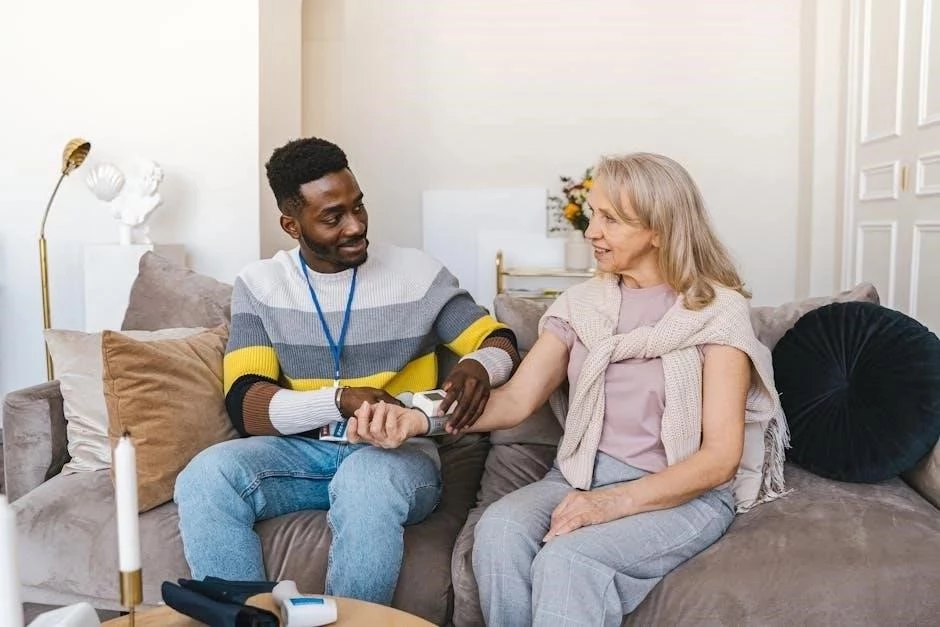
The number of hours is determined by a clinical assessment conducted by a New York State independent assessor. Based on the senior’s medical needs and their ability to perform daily tasks, they may be approved for anything from a few hours a day to 24-hour around-the-clock care.
Contact ProLife Home Care NYC for a free clinical assessment:(718) 232 – 2777
Contact ProLife Home Care NYC for a free clinical assessment: (718) 232-2777