Navigating the complexities of high-rise living can be daunting for families caring for aging loved ones in the heart of New York City. As a senior nurse, I have witnessed how the transition from independence to frailty requires a proactive approach to ensure safety and comfort within vertical residential environments. Our mission is to provide you with the clinical insights and practical tools necessary to manage these unique urban challenges effectively. By focusing on comprehensive care and environmental adjustments, we can help your family member maintain their dignity and health while staying in the city they love.
Clinical Quick Answer
Ensuring high rise apartment safety for elderly NYC residents requires a multi-faceted approach centered on a professional nursing evaluation to identify mobility, cognitive, and environmental risks. Key interventions include optimizing bathroom safety with medical-grade fixtures, establishing a robust emergency evacuation protocol for elevator-dependent buildings, and integrating formal home care services to mitigate social isolation. Families should prioritize regular clinical reviews to adapt safety measures as a senior’s physical frailty or cognitive status changes over time.
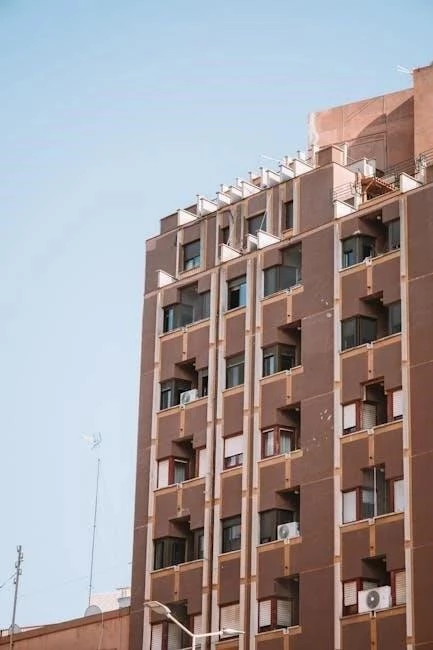
Environmental Safety and Mobility in High-Rise Units
Living in a New York City high-rise presents specific environmental challenges that are not typically found in suburban settings. For a frail senior, the journey from the apartment door to the street level involves navigating hallways, elevators, and heavy fire doors. High rise apartment safety for elderly NYC residents begins with a thorough assessment of these transit points. Elevators are a lifeline; however, they can also be a point of failure during power outages or maintenance periods. Nurses often recommend that seniors living above the fifth floor have a secondary communication plan and a ‘shelter-in-place’ kit that includes several days of food and water in case of mechanical issues with the building’s transport systems.
- Threshold Management: Many older NYC buildings have high wooden or metal thresholds at the entrance and between rooms. These are significant trip hazards that should be mitigated with transition strips or ramps.
- Lighting Standards: High-rise hallways can often be dim. Installing motion-activated LED lighting from the bedroom to the bathroom is a clinical priority for fall prevention.
- Furniture Clearance: In smaller NYC apartments, clutter often accumulates. A nursing evaluation will typically suggest a ‘clear path’ policy, ensuring at least 36 inches of unobstructed space for walkers or wheelchairs.
- Flooring Stability: Rugs and high-pile carpeting should be secured or removed. Hardwood floors, common in NYC, should be treated with non-slip finishes.
- Heavy Fire Doors: Apartment entrance doors in the city are often heavy and self-closing. We recommend installing lever-style handles and, if permitted, automatic openers for those with severe arthritis or weakness.
The Critical Role of a Comprehensive Nursing Evaluation
A formal nursing evaluation is the cornerstone of a safe aging-in-place strategy. This assessment goes beyond a simple check-up; it is a holistic review of the patient’s functional abilities, cognitive state, and the interaction between their health and their environment. In the context of NYC living, this evaluation determines if the senior is eligible for Managed Long-Term Care (MLTC) or other supportive services. The nurse assesses Activities of Daily Living (ADLs) such as bathing, dressing, and transferring, which are often more difficult in the cramped quarters of a city apartment.
- Functional Assessment: The nurse observes the senior performing tasks to identify subtle signs of decline that could lead to a fall or medical emergency.
- Cognitive Screening: Screening for dementia or mild cognitive impairment is vital, as it impacts the senior’s ability to use the intercom, remember fire safety protocols, or manage medication.
- Medication Review: A clinical review of all prescriptions and over-the-counter drugs helps prevent adverse drug interactions that contribute to dizziness and falls.
- Nutritional Status: For seniors in high-rises, getting fresh groceries can be difficult. The nurse evaluates the senior's ability to access food and their nutritional intake.
- Durable Medical Equipment (DME) Needs: The evaluation identifies the need for hospital beds, oxygen concentrators, or specialized seating that fits within the apartment’s layout.
Strategic Fall Prevention and Bathroom Modifications
The bathroom is statistically the most dangerous room in any home, particularly in NYC apartments where space is at a premium and fixtures may be decades old. High rise apartment safety for elderly NYC residents relies heavily on transforming these small spaces into safe, accessible zones. Professional nursing advice often includes replacing standard shower curtains with glass doors that have stable handles, or more commonly, installing high-quality grab bars. Because many NYC bathrooms are built with tile over plaster or concrete, these bars must be installed by professionals who understand the structural requirements to support a person’s full weight.
- Grab Bar Placement: Bars should be installed both vertically for entry/exit and horizontally near the toilet and shower seat.
- Raised Toilet Seats: These reduce the distance a senior needs to lower themselves, which is critical for those with hip or knee issues.
- Non-Slip Treatments: Applying professional-grade non-slip coatings to bathtub surfaces can prevent catastrophic slips during bathing.
- Handheld Showerheads: These allow for seated bathing, which is much safer for frail individuals with balance impairments.
- Removing Obstacles: Bath mats should have rubber backing or be replaced by integrated non-slip floor treatments.
Emergency Preparedness and Fire Safety Protocols
Fire safety in an NYC high-rise is vastly different from a single-family home. The ‘stay in place’ versus ‘evacuate’ orders depend entirely on the building’s construction type (fireproof vs. non-fireproof). A nursing evaluation includes educating the senior and their caregivers on these specific protocols. Furthermore, emergency services (FDNY/EMS) need to be able to access the building and the apartment quickly. We advise seniors to have a ‘File of Life’ posted on their refrigerator, which contains their medical history, allergies, and contact information for their primary care physician and next of kin.
- Building Status Awareness: Know if the building is fireproof. In fireproof buildings, it is often safer to stay in the apartment with the door closed unless the fire is in that specific unit.
- Communication Devices: Ensure the senior has a wearable medical alert button that functions via cellular signal, as landlines may fail during power outages.
- Management Notification: Register the senior as a ‘vulnerable tenant’ with the building’s front desk or management office to ensure they are checked on during emergencies.
- Backup Power: For seniors using oxygen or nebulizers, a backup battery system is essential for high-rise living where power restoration can take time.
- Emergency Contacts: Keep a laminated list of emergency numbers by every phone and near the entrance door.
Social Isolation and Mental Health Management
The phenomenon of ‘vertical isolation’ is a significant risk for seniors in NYC. Even in a building with hundreds of neighbors, a frail individual can go days without meaningful human contact. This isolation is clinically linked to faster cognitive decline, depression, and poor physical health outcomes. As part of a nursing evaluation, we look for signs of ‘failure to thrive’ and recommend social interventions. NYC offers numerous resources, from senior centers to ‘friendly visitor’ programs, that can be integrated into a home care plan to keep the senior engaged with their community.
- Technology Training: Helping seniors use video calls can bridge the gap between family visits and reduce feelings of loneliness.
- Home Health Aides: Beyond physical help, aides provide vital social interaction and mental stimulation.
- Community Programs: Utilizing local NYC Department for the Aging (DFTA) programs can provide congregate meals and social activities.
- Window Safety: For seniors with cognitive decline, window guards are not just for children; they are a critical safety feature in high-rises.
- Pet Therapy: If manageable, a small pet can provide companionship and a sense of purpose, provided there is a plan for the pet’s care.
Navigating NYC Home Care and Medicaid Resources
Accessing the right level of care often requires navigating the complex NYC Medicaid system. For frail seniors, the goal is often to secure enough home care hours to maintain safety in their high-rise apartment. This process usually begins with an assessment by the Conflict-Free Evaluation and Enrollment Center (CFEEC) and follows with a nursing evaluation from a Managed Long-Term Care (MLTC) plan. These programs are designed to keep seniors out of nursing homes by providing the necessary support within their own residences. Families should also be aware of the resources provided by the NY State DOH regarding patient rights and home care standards.
- CDPAP Program: The Consumer Directed Personal Assistance Program (CDPAP) allows seniors to hire family members or friends as their caregivers, which can be ideal for those living in restricted-access high-rises.
- MLTC Coordination: These plans coordinate all Medicaid-covered services, including home care, transportation to medical appointments, and dental care.
- Pooled Income Trusts: For seniors whose income is above the Medicaid limit, these trusts allow them to qualify for benefits while still using their excess income to pay for apartment expenses like rent and utilities.
- NHTD Waiver: The Nursing Home Transition and Diversion waiver provides additional supports for those who are clinically eligible for nursing home care but choose to live at home.
- Ombudsman Services: If a senior is not receiving the care they need, the Long-Term Care Ombudsman Program can provide advocacy and conflict resolution.
Nurse Insight: In my experience, the biggest overlooked risk in high rise apartment safety for elderly NYC residents is the false sense of security provided by a doorman. While a doorman is excellent for security, they are not medical professionals and may not notice the gradual decline in a resident’s gait or cognitive clarity. I always tell families: don’t rely on the building staff to monitor health; ensure you have a professional nursing evaluation every few months to catch subtle changes before they become emergencies. One specific tip is to leave a spare key and a copy of the senior’s medical ‘Go-Bag’ list with a trusted neighbor on the same floor, not just at the front desk, to ensure immediate help can reach them if the elevators are out of service.
Frequently Asked Questions
What are the primary hazards for seniors living in NYC high-rise apartments?
The primary hazards include elevator malfunctions during medical emergencies, social isolation due to limited mobility, fire safety complexities in vertical structures, and the physical strain of navigating large residential complexes. A comprehensive nursing evaluation helps identify these specific environmental risks to create a tailored safety plan.
How often should a nursing evaluation be conducted for a frail senior in NYC?
For frail seniors, a nursing evaluation should typically occur every six months or immediately following any change in health status, such as a hospital discharge or a fall. Regular assessments ensure that home care hours and safety modifications remain aligned with the patient’s evolving clinical needs.
Does NYC Medicaid cover high-rise apartment safety modifications?
Yes, through various Managed Long-Term Care (MLTC) programs and the Nursing Home Transition and Diversion (NHTD) waiver, Medicaid may cover the cost of environmental modifications. This can include grab bars, walk-in tubs, and other safety features deemed medically necessary following a professional nursing evaluation.
What should be included in an emergency ‘Go-Bag’ for a high-rise senior?
A high-rise emergency kit should include a 14-day supply of all medications, copies of medical records, a list of emergency contacts, extra hearing aid batteries, and a portable oxygen concentrator if applicable. It is critical to store these items near the door to ensure quick access if an immediate evacuation is required.
Can a nurse help coordinate with NYC building management for senior safety?
Yes, visiting nurses often act as liaisons, informing building management of a tenant’s ‘vulnerable person’ status. This ensures the senior is prioritized during power outages, elevator maintenance, or building-wide emergencies, which is a key component of high rise apartment safety for elderly NYC residents.
Contact ProLife Home Care NYC for a free clinical assessment:(718) 232 – 2777
Contact ProLife Home Care NYC for a free clinical assessment: (718) 232-2777