Navigating the complexities of pediatric g-tube care at home NYC can feel overwhelming for any family, but please know that you are doing an incredible job providing this life-sustaining support. As a senior nurse in the New York area, I have seen firsthand how quickly parents transition from feeling uncertain to becoming confident experts in their child’s clinical needs. Our goal is to ensure that your home becomes a safe haven where medical care feels like a natural, manageable part of your daily rhythm. This guide is designed to empower you with the professional knowledge required to maintain your child’s health and comfort with precision and compassion.
Clinical Quick Answer
Effective PEG Tube Care requires a strict daily regimen of cleaning the stoma site with mild soap and water, ensuring the tube is securely flushed before and after every use to prevent occlusions. Parents must diligently monitor the skin for signs of hypergranulation or infection while maintaining a consistent feeding schedule as prescribed by their pediatric gastroenterologist. In the NYC metropolitan area, utilizing professional home health nursing services can bridge the gap between hospital discharge and long-term home stability.
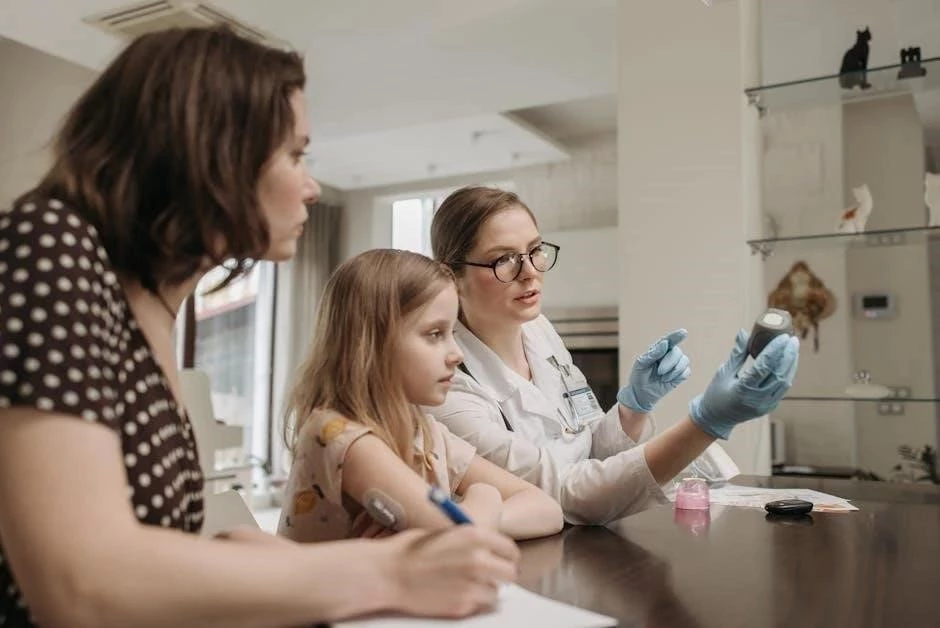
Understanding the Essentials of Pediatric G-Tube Care at Home NYC
A gastrostomy tube, or G-tube, is a medical device inserted through the abdominal wall directly into the stomach to provide nutrition, hydration, and medication. When this is placed using an endoscopic procedure, it is often referred to as a PEG tube. For NYC families, understanding the specific type of tube your child has-whether it is a low-profile ‘button’ or a long tube-is the first step in mastering PEG Tube Care.
- Identifying Your Device: Familiarize yourself with the brand and size (French size and length) of the tube, as this information is critical for replacements.
- The Purpose of Enteral Feeding: Recognize that the tube is a tool to help your child grow, providing the caloric density they might not be able to achieve orally.
- NYC Support Systems: Many New York City hospitals provide specific outpatient training; ensure you have the contact details for your specific GI clinic in Manhattan, Brooklyn, or the surrounding boroughs.
- Anatomy of the Stoma: The stoma is the surgically created opening; a healthy stoma should look like the inside of a mouth-pink and moist, but not bleeding or excessively oozing.
Daily Hygiene and Maintenance Protocols
Hygiene is the cornerstone of preventing complications in pediatric g-tube care at home NYC. Because New York apartments can sometimes be humid or cramped, creating a dedicated, clean ‘medical station’ for your supplies is highly recommended.
- Hand Washing: Always wash your hands for at least 20 seconds with antimicrobial soap before touching the stoma or the feeding supplies.
- Cleaning the Site: Use a clean washcloth or gauze with warm water and a mild, fragrance-free soap to gently wipe around the stoma. Move in a circular motion from the tube outward.
- Drying Technique: Moisture is the enemy of skin integrity. Pat the area completely dry or allow it to air dry before securing any clothing.
- Tube Rotation: If your doctor advises, rotate the G-tube 360 degrees daily. This prevents the tube or the internal bolster from adhering to the stomach lining.
- Checking the Balloon: For balloon-type tubes, your nurse may instruct you to check the water volume in the balloon once a week to ensure it hasn’t leaked, which could cause the tube to fall out.
Feeding Procedures and Medication Administration
Administering feedings and medications requires a systematic approach to ensure the child receives their full prescription without the tube becoming blocked. PEG Tube Care involves more than just pouring formula; it involves monitoring the child’s tolerance.
- Preparation: Check the expiration date of the formula and ensure it is at room temperature. Cold formula can cause stomach cramping and discomfort.
- The Flushing Rule: Always flush the tube with the amount of water prescribed by your NYC dietitian (usually 5-30ml) before and after every feeding or medication dose.
- Medication Safety: Never mix medications directly with formula. Administer each medication one at a time, flushing with a small amount of water between each one to prevent chemical reactions that can cause clogs.
- Positioning: Ensure your child is sitting upright at a 30 to 45-degree angle during the feeding and for at least 30 to 60 minutes afterward to prevent reflux and aspiration.
- Pump Maintenance: If using an electronic feeding pump, ensure it is plugged in overnight and the settings are double-checked against your current prescription.
Monitoring Skin Health and Preventing Complications
The skin surrounding the feeding tube is sensitive and prone to irritation. In the context of pediatric g-tube care at home NYC, parents must be vigilant about the “micro-environment” of the stoma.
- Granulation Tissue: Sometimes the body tries to heal the stoma too aggressively, resulting in “beefy red” overgrowth called granulation tissue. This may leak clear or bloody fluid and can be treated by your doctor with silver nitrate.
- Leakage Prevention: If formula is leaking from the stoma, the tube may be too loose or the balloon may have lost water. Leaking formula can quickly “digest” the surrounding skin, causing painful rashes.
- Barrier Creams: Use only those products recommended by your NYC clinical team. Zinc-based barriers are common, but they should not be allowed to build up and become a “crust” around the tube.
- Infection Signs: Look for “cellulitis” (spreading redness), warmth to the touch, pus-like drainage, or a persistent foul odor. These require immediate medical attention.
Troubleshooting and Emergency Preparedness
Even with the best PEG Tube Care, emergencies can happen. Being prepared is the best way to reduce anxiety. NYC parents should have an “emergency ‘go-bag'” ready at all times.
- Managing a Clog: If the tube will not flush, try using warm water and a gentle “push-pull” motion with a 10ml syringe. Never use soda, juices, or sharp wires to clear a clog;
- Accidental Dislodgement: If the tube falls out, the stoma can close within 2 to 4 hours. Keep a “back-up” tube or a Foley catheter of the same French size to insert into the tract to keep it open until you can reach the hospital.
- Vomiting and Bloating: If your child becomes distressed or vomits during a feeding, stop the pump immediately. They may need to be “vented” (letting air out of the tube) to relieve gastric pressure.
- NYC Emergency Contacts: Keep the phone numbers for your GI surgeon, the home health nursing agency, and the nearest pediatric ER on your refrigerator and in your phone.
NYC Resources and State Support Systems
Families in New York have access to a variety of resources to help manage the costs and logistics of pediatric g-tube care at home NYC. Navigating these systems is essential for long-term success.
- NY State DOH: For comprehensive guidelines on healthcare rights and provider standards, visit the NY State DOH website.
- Early Intervention (EI): If your child is under three years old, they may qualify for NYC Early Intervention services, which can include feeding therapy and nutritional support.
- Medicaid and CDPAP: Many NYC families utilize the Consumer Directed Personal Assistance Program (CDPAP), which allows parents to be compensated for providing specialized care or to hire specific caregivers.
- WIC for Formula: The Women, Infants, and Children program in New York can often help cover the high cost of specialized elemental formulas required for tube feeding.
Nurse Insight: In my experience, the most successful families are those who treat the feeding tube as a tool for freedom rather than a limitation. I once worked with a family in Queens who was terrified to leave their apartment; however, once we practiced packing a portable feeding kit, they were able to take their child to Central Park for the entire afternoon. Consistency in your cleaning routine will eventually make the process take less than five minutes, giving you more time to simply be a parent rather than a technician.
Frequently Asked Questions
How do I clean the g-tube site?
Clean the area daily with mild soap and warm water using a clean cloth or gauze. Gently wipe from the stoma outward, rinse away any soap residue, and pat the skin completely dry to prevent irritation.
What if the tube falls out?
This is a medical urgency. Insert a backup tube or a foley catheter into the stoma immediately to prevent it from closing, then go to the nearest pediatric emergency room or contact your GI specialist.
Can my child bathe or swim?
Once the stoma is fully healed (usually 6-8 weeks after surgery), children can typically take baths and go swimming. Ensure the tube is capped tightly and the site is dried thoroughly after the activity.
How do I prevent clogs?
Prevention is key: flush the tube with the recommended amount of warm water before and after every feeding, after every medication, and every 4-6 hours if the tube is not in active use.
What are the signs of a stoma infection?
Watch for spreading redness, skin that feels hot to the touch, swelling, yellow or green foul-smelling drainage, or if your child develops a fever. These signs require a call to your medical provider.
Contact ProLife Home Care NYC for a free clinical assessment:(718) 232 – 2777
Contact ProLife Home Care NYC for a free clinical assessment: (718) 232-2777