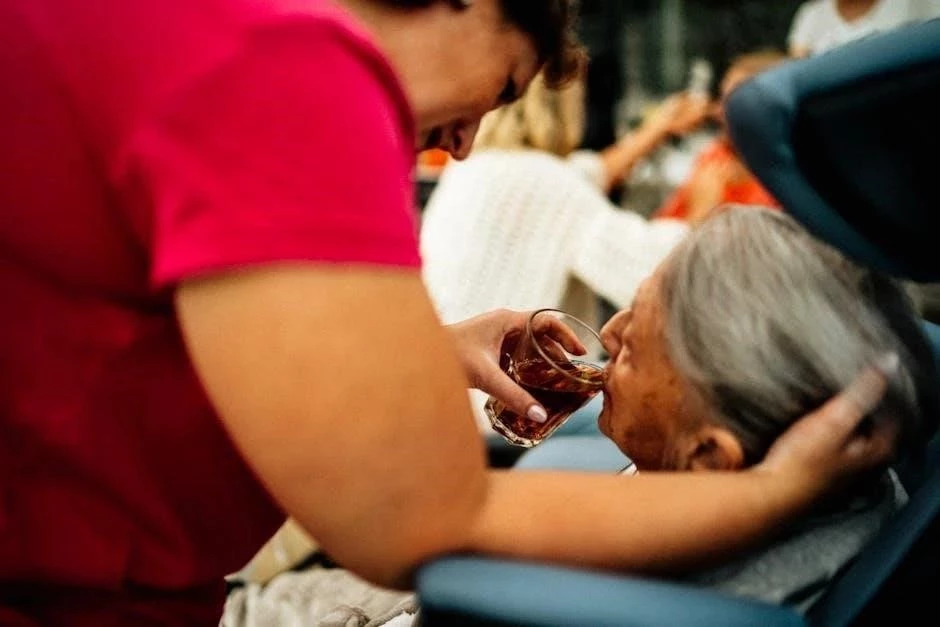
Navigating the complexities of senior care Harlem NYC can feel overwhelming for families trying to honor their loved ones’ desire to age with dignity at home. As a nurse working within the five boroughs, I have seen firsthand how the right support system can transform a senior’s quality of life and provide much-needed peace of mind for their children and grandchildren. Our goal is to ensure that every resident of Harlem receives the clinical attention and daily assistance they deserve while remaining in the vibrant community they call home. By focusing on personalized care plans and rigorous clinical oversight, we help Harlem families navigate the journey of aging with confidence and compassion.
Clinical Quick Answer
Community-based home care for Harlem seniors focuses on providing medical and personal assistance through a structured Nursing Evaluation to determine a patient’s functional needs and safety requirements. Eligibility is primarily established through Medicaid and clinical assessments, ensuring that services like CDPAP or traditional Home Health Aide support are tailored to the individual’s health status. Effective home care in NYC integrates clinical supervision with community resources to promote independence while managing chronic conditions in a residential setting.
The Critical Role of the Nursing Evaluation in Harlem Home Care
Every successful home care journey begins with a comprehensive Nursing Evaluation. In the context of senior care Harlem NYC, this is not just a formality but a clinical cornerstone that ensures the safety and well-being of the elderly resident. A Registered Nurse (RN) visits the home to perform a head-to-toe assessment, evaluating not only the patient’s physical health-such as blood pressure, wound care needs, and medication adherence-but also their cognitive state and mobility.
- Functional Assessment: The nurse evaluates Activities of Daily Living (ADLs), including the senior’s ability to bathe, dress, transfer from bed to chair, and manage personal hygiene independently.
- Instrumental Activities of Daily Living (IADLs): This includes assessing the senior’s capacity for meal preparation, light housekeeping, and managing finances or phone calls.
- Safety Review: Many Harlem residences, including historic brownstones and apartment complexes, present unique environmental challenges like steep stairs or narrow hallways; the nurse identifies these risks to prevent falls.
- Psychosocial Evaluation: Isolation is a major risk for NYC seniors; the evaluation looks at social support networks and mental health to ensure holistic care.
- The UAS-NY Tool: In New York, nurses use the Uniform Assessment System to standardize these evaluations, which helps in determining the appropriate hours of care and obtaining insurance authorizations.
Navigating NYC Medicaid and CDPAP in Harlem
Financial planning is a significant aspect of securing senior care Harlem NYC. For many residents, Medicaid serves as the primary payer for long-term home care services. Understanding the difference between traditional home care and the Consumer Directed Personal Assistance Program (CDPAP) is essential for Harlem families who want more control over their caregiving team.
- Traditional Licensed Home Care Services Agency (LHCSA): The agency provides a certified Home Health Aide (HHA) or Personal Care Assistant (PCA) who is trained, supervised, and scheduled by the agency.
- CDPAP Benefits: This program allows the senior to choose their own caregiver, including adult children or other family members. In Harlem, this is often preferred by those who want a caregiver who shares their cultural background or language.
- Medicaid Managed Long Term Care (MLTC): Most seniors in NYC must enroll in an MLTC plan, which coordinates their home care, dentistry, and other community-based services.
- Income and Asset Requirements: Eligibility for NYC Medicaid requires meeting strict financial thresholds, though “pooled income trusts” can often help those with excess income qualify for care.
- The CFEEC Process: Before enrolling in an MLTC, seniors must undergo an independent assessment by the Conflict-Free Evaluation and Enrollment Center to confirm their need for long-term services.
Managing Chronic Conditions in the Harlem Senior Population
Harlem has historically faced higher rates of certain chronic conditions, such as hypertension, diabetes, and cardiovascular disease. Home care must be clinically focused to manage these issues effectively and prevent unnecessary hospitalizations at facilities like Harlem Hospital or Mount Sinai Morningside.
- Medication Management: A core component of the Nursing Evaluation is a medication reconciliation to ensure the senior is taking the correct dosages and to identify potential drug interactions.
- Dietary Oversight: For seniors with diabetes or hypertension, home care workers help prepare heart-healthy or low-glycemic meals, often incorporating traditional cultural staples in a health-conscious way.
- Monitoring Vital Signs: Regular tracking of blood pressure and glucose levels by an aide or through remote monitoring can catch complications before they become emergencies.
- Wound Care and Skin Integrity: For seniors with limited mobility, nurses monitor for pressure ulcers and ensure proper positioning to maintain skin health.
- Respiratory Support: Home care services often include assisting seniors who use oxygen therapy or nebulizers, ensuring equipment is used correctly and safely.
The Importance of Cultural Competence in Upper Manhattan
Senior care Harlem NYC is most effective when it is culturally sensitive. Harlem's rich history and diverse population require caregivers who understand the neighborhood’s unique social fabric. This cultural competence improves trust between the caregiver and the senior, which is vital for compliance with medical advice and overall emotional well-being.
- Language Access: While English is predominant, many Harlem seniors come from diverse backgrounds where Spanish or French-Creole may be the primary language; matching caregivers by language is a priority.
- Community Roots: Caregivers who are familiar with Harlem landmarks, churches, and senior centers can better facilitate social engagement for the elderly.
- Religious Respect: Many seniors in Harlem are deeply connected to their faith communities; caregivers often assist with attending services or providing time for prayer and reflection.
- Dietary Preferences: Understanding local food culture allows caregivers to prepare meals that are both nutritious and appetizing to the senior.
- Trust Building: Historically underserved communities may have skepticism toward the medical establishment; a compassionate, consistent home care presence helps bridge this gap.
Enhancing Safety and Mobility in Harlem Homes
The physical environment of a home in Harlem can significantly impact a senior’s ability to age in place. From the walk-up apartments near St. Nicholas Park to the modern developments along 125th Street, each home requires a specific safety strategy developed during the Nursing Evaluation.
- Fall Prevention: Implementing simple changes like removing throw rugs, installing grab bars in the bathroom, and improving lighting can reduce fall risks by over 50%.
- Durable Medical Equipment (DME): Nurses help coordinate the delivery of walkers, wheelchairs, and hospital beds to ensure the home is equipped for the senior’s needs.
- Transfer Training: Caregivers are trained in proper body mechanics to safely help seniors move from a bed to a wheelchair or a chair to a standing position.
- Emergency Preparedness: Every home care plan in NYC should include a clear protocol for what to do during power outages, extreme heat, or medical crises.
- Community Walking: For mobile seniors, caregivers provide accompaniment for walks in the neighborhood, ensuring they can enjoy Harlem's parks and streets safely.
Advocacy and Resources for Harlem Caregivers
Providing care for an elderly parent or spouse is a demanding role. Families in Harlem need to know they are not alone and that there are resources available to support their journey as caregivers. Advocacy is a major part of ensuring the senior receives the maximum level of benefits allowed by the state.
- Support Groups: Local organizations and churches often host groups where caregivers can share experiences and reduce the stress of “caregiver burnout.”
- Respite Care: Temporary care services can be arranged to give the primary family caregiver a much-needed break for self-care or personal business.
- Legal and Financial Planning: Utilizing resources like the New York Legal Assistance Group (NYLAG) can help families navigate the legalities of Medicaid planning and power of attorney.
- NY State Department of Health: For official guidelines and more information on your rights as a patient, visit the NY State DOH website.
- Local Senior Centers: Facilities like the Kennedy Senior Center provide nutrition and social programs that complement the care received at home.
Nurse Insight: In my experience, the families in Harlem who find the most success are those who view the Nursing Evaluation as a collaborative process rather than a test. Don’t be afraid to be honest about the “bad days”-the nurse needs to see the full picture of the senior’s daily struggles to advocate for the maximum number of care hours. When we document the specific challenges of a 4th-floor walk-up or a senior’s tendency to wander at night, we can build a much stronger case for the support your family actually needs.
Frequently Asked Questions
What is a nursing evaluation?
A nursing evaluation is a comprehensive assessment conducted by a Registered Nurse to determine a patient’s physical, mental, and environmental needs. It serves as the blueprint for creating a personalized home care plan and is required for insurance authorization.
Does Medicaid cover home care in Harlem?
Yes, Medicaid is the largest payer for home care in New York City. For those who qualify financially and medically, it covers a wide range of services, including personal care assistants and home health aides.
What is CDPAP?
The Consumer Directed Personal Assistance Program (CDPAP) is a New York Medicaid program that allows seniors to hire, train, and supervise their own caregivers, including family members or friends, who are then paid by Medicaid.
How do I find a local agency?
You can search for Licensed Home Care Services Agencies (LHCSAs) that serve the Manhattan area through the NY State Department of Health website or by contacting an MLTC plan if you are already enrolled in Medicaid.
Can family members be paid caregivers?
Yes, under the CDPAP program, most family members (except for legal spouses or parents of a minor child) can be hired and paid to provide care for their loved ones in Harlem.
Contact ProLife Home Care NYC for a free clinical assessment:(718) 232 – 2777
Contact ProLife Home Care NYC for a free clinical assessment: (718) 232-2777