{
“@context”: “https://schema.org”,
“@type”: “FAQPage”,
“mainEntity”: [
{
“@type”: “Question”,
“name”: “What is the difference between pediatric palliative care and hospice in NYC?”,
“acceptedAnswer”: {
“@type”: “Answer”,
“text”: “Pediatric palliative care can begin at the time of diagnosis and continue alongside curative treatments, focusing on quality of life and symptom management. Hospice, or specific End-of-Life Support, is typically reserved for children when curative treatments are no longer the primary focus and the prognosis is six months or less.”
} }, { “@type”: “Question”,
“name”: “Does NYC Medicaid cover pediatric palliative care at home NYC?”,
“acceptedAnswer”: {
“@type”: “Answer”,
“text”: “Yes, NYC Medicaid, including various waiver programs like the Children's Waiver (HCBS), covers many aspects of pediatric palliative care at home NYC. This includes nursing, social work, and specialized equipment, provided the child meets the clinical eligibility criteria.”
} },
{ “@type”: “Question”,
“name”: “Who makes up the home-based palliative care team?”,
“acceptedAnswer”: {
“@type”: “Answer”,
“text”: “The team is multidisciplinary, consisting of pediatricians, specialized nurses (RNs), social workers, child life specialists, and spiritual counselors. They collaborate to address the physical, emotional, and social needs of the child and their family members.”
}
},
{
“@type”: “Question”,
“name”: “How does home-based care manage severe pain in children?”,
“acceptedAnswer”: {
“@type”: “Answer”,
“text”: “Clinical teams use a combination of pharmacological interventions, such as scheduled analgesics and breakthrough medications, alongside non-pharmacological methods like massage, music therapy, and distraction techniques, all supervised by a pediatric palliative specialist.”
} },
{ “@type”: “Question”,
“name”: “Can we still visit our primary specialists while receiving palliative care?”,
“acceptedAnswer”: {
“@type”: “Answer”,
“text”: “Absolutely. Palliative care is designed to wrap around your existing medical team. The palliative specialists in NYC work in tandem with your child’s oncologists, cardiologists, or neurologists to ensure a cohesive and unified care plan.”
}
}
]
}
Caring for a child facing a serious illness is perhaps the most profound challenge a family can endure, and in the bustling environment of New York City, finding a sanctuary of peace is essential. Our team of specialized pediatric nurses understands that your home is more than just a residence; it is a place of healing, memory-making, and comfort for your child. Pediatric palliative care at home NYC is designed to bring world-class medical expertise directly to your doorstep, ensuring that clinical needs are met without sacrificing the warmth of family life. We are committed to standing by your side, providing the clinical guidance and emotional fortitude required to navigate every step of this journey with dignity and grace.
Clinical Quick Answer
Pediatric palliative care at home NYC provides an interdisciplinary approach to managing the physical symptoms and emotional distress associated with life-limiting conditions in children. This specialized service integrates advanced pain management, psychosocial counseling, and comprehensive End-of-Life Support into the home environment, allowing families to remain together while receiving professional clinical oversight. By bridging the gap between hospital-level care and domestic comfort, these programs optimize the quality of life for the child and provide essential stability for the entire family unit.
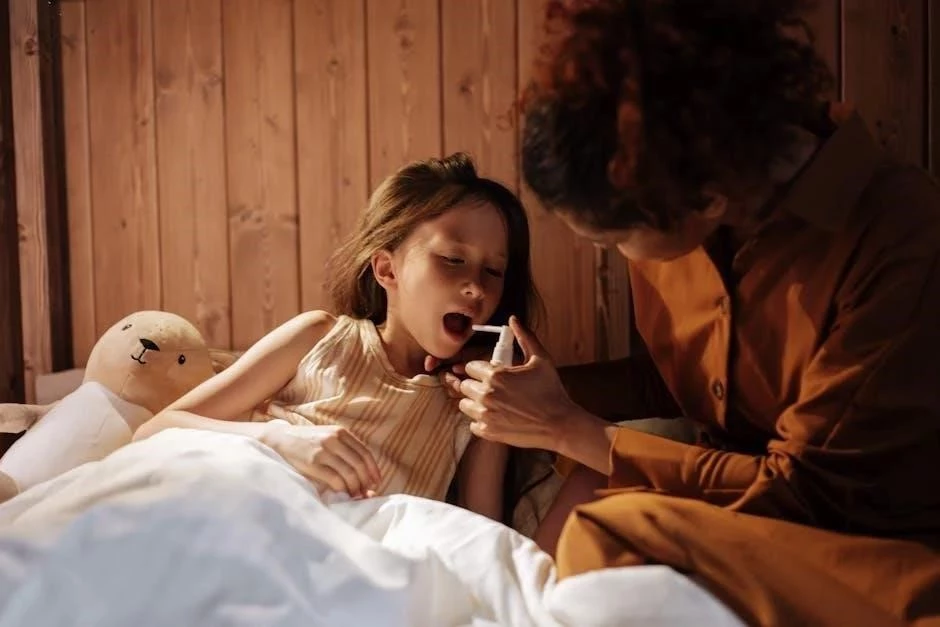
Understanding Pediatric Palliative Care at Home NYC
Pediatric palliative care is a specialized field of medicine focused on enhancing the quality of life for children living with serious, life-limiting, or life-threatening illnesses. Unlike adult palliative care, which is often associated exclusively with the very end of life, pediatric palliative care at home NYC can be initiated at the point of diagnosis. This care model is not about giving up; it is about adding an extra layer of support that focuses on comfort, communication, and coordination. In the five boroughs of NYC, where hospital stays can be stressful and isolating, home-based care allows a child to remain in a familiar setting surrounded by their own belongings, siblings, and pets.
- Early Integration: Palliative care can be provided alongside curative treatments, such as chemotherapy or advanced cardiac therapies.
- Symptom Control: Expert management of pain, nausea, breathlessness, and fatigue tailored specifically to pediatric physiology.
- Family-Centered Goals: Shared decision-making that respects the cultural, spiritual, and personal values of the NYC family.
- Coordination of Services: Acting as a liaison between various NYC specialists, pharmacies, and medical equipment providers.
The primary objective is to minimize suffering. In a home setting, this means having access to 24/7 telephonic support and scheduled nursing visits that prevent unnecessary trips to the Emergency Room. By managing crises at home, we preserve the child's sense of normalcy and the family's routine, which is vital in a city that never stops.
Comprehensive End-of-Life Support for Families
When an illness progresses to a stage where curative efforts are no longer effective or appropriate, the focus shifts toward intensive comfort and End-of-Life Support. This transition is handled with the utmost sensitivity by NYC-based teams who are trained in the nuances of pediatric hospice care. The goal during this time is to ensure the child is free from pain and that the family has the space and support to say goodbye in their own way. This phase of care involves not only medical intervention but also profound emotional and spiritual companionship.
- Pain and Comfort Management: Using advanced clinical protocols to ensure the child remains peaceful and comfortable.
- Legacy Building: Helping families create meaningful memories through art, photography, or digital storytelling during the final weeks or days.
- Anticipatory Grief Counseling: Providing professional psychological support to parents and siblings before the loss occurs.
- Spiritual Care: Respecting the diverse religious landscape of New York City by connecting families with chaplains or spiritual leaders of their choice.
End-of-Life Support also includes practical assistance, such as funeral planning and navigating the legal requirements following a death at home. Our nurses and social workers stay with the family through the entire process, providing a steady hand during the most difficult moments of their lives. We believe that a peaceful death at home is a final act of love that we are honored to facilitate.
Clinical Pain and Symptom Management Strategies
Managing the symptoms of a life-limiting illness in a child requires a sophisticated understanding of pediatric pharmacology and non-pharmacological interventions. Pediatric palliative care at home NYC utilizes a tiered approach to symptom management, ensuring that interventions are effective yet minimally invasive. Children respond differently to medications than adults, necessitating the expertise of pediatric-certified clinicians who can titrate dosages with precision;
- Pharmacological Interventions: Use of opioids, adjuvant medications for nerve pain, and anti-emetics to control nausea.
- Non-Pharmacological Modalities: Integration of physical therapy, therapeutic play, and specialized positioning to alleviate discomfort.
- Respiratory Support: Managing secretions and breathlessness through oxygen therapy, nebulizers, and specialized breathing techniques.
- Nutritional Support: Collaborating with dietitians to manage feeding challenges, ensuring the child receives comfort-focused nutrition.
Effective symptom management also involves teaching the parents and caregivers how to administer medications and recognize the subtle signs of distress in their child. Education is a cornerstone of our service; we empower NYC parents to be the primary advocates and caregivers for their children, backed by the safety net of professional clinical advice. This collaborative approach ensures that the child's needs are met instantly, without the delay of waiting for an office visit.
The Multidisciplinary Care Team in NYC
One of the hallmarks of pediatric palliative care at home NYC is the diversity and depth of the clinical team. In a complex medical environment like New York, having a dedicated team to manage the various facets of a child’s care is invaluable. Each member of the team brings a unique perspective, ensuring that the child is treated as a whole person, not just a set of symptoms. This team works in close collaboration with the child's primary specialists at institutions like NYU Langone, NewYork-Presbyterian, or Mount Sinai.
- Pediatric Palliative Physician: Oversees the medical plan of care and consults on complex symptom management.
- Registered Nurses (RN): Provide hands-on clinical care, monitor the child’s status, and educate the family.
- Social Workers: Assist with the emotional burden of illness, navigate insurance hurdles, and connect families with community resources.
- Child Life Specialists: Use play and developmental interventions to help the child and their siblings process their experiences.
- Bereavement Counselors: Provide long-term support for the family following the passing of a child, often for a year or longer.
This team-based approach extends to communication. We facilitate family meetings where everyone can voice their concerns, ask questions, and refine the goals of care as the child’s condition changes. In the fast-paced NYC healthcare system, the palliative team serves as the “glue” that holds the care plan together, ensuring that no detail is overlooked and that the family’s voice remains central to every clinical decision.
Navigating Medicaid and Insurance in New York State
Financial concerns should never be a barrier to quality care, yet navigating the complexities of New York State's insurance landscape can be daunting for families already in crisis. Pediatric palliative care at home NYC is frequently covered by Medicaid, Managed Long-Term Care (MLTC) plans, and private insurance providers. Understanding the specific waivers and programs available in New York is essential for maximizing the support your child receives.
- NY State Children's Waiver: Allows children with significant medical needs to access Home and Community-Based Services (HCBS) regardless of parental income.
- CDPAP (Consumer Directed Personal Assistance Program): Permits families to hire and manage their own caregivers, including some family members, through Medicaid.
- Hospice Benefit: A specific insurance benefit that covers all medications, equipment, and nursing care related to the terminal diagnosis.
- Commercial Insurance: Many NYC employer-based plans offer palliative care benefits; our social workers help families verify and advocate for these services.
For more detailed information on state-funded programs and eligibility, families are encouraged to visit the official NY State DOH website. Our administrative team works tirelessly to handle the “red tape,” obtaining authorizations and ensuring that there is no interruption in the vital services your child requires. We believe that every child in NYC deserves access to the highest standard of palliative care, regardless of their financial circumstances.
Supporting Siblings and the Family Ecosystem
A life-limiting illness affects every member of the family, particularly the siblings of the ill child. Often referred to as “glass children” because they can be looked through while the focus is on the sick child, siblings need specialized attention and validation. Pediatric palliative care at home NYC takes a holistic view of the family ecosystem, ensuring that the needs of brothers and sisters are not neglected during this stressful time.
- Age-Appropriate Honesty: Helping parents find the right words to explain the illness and its progression to other children.
- Sibling Support Groups: Connecting NYC siblings with others who are going through similar experiences to reduce isolation.
- Respite Care: Providing temporary relief for primary caregivers, allowing them to spend dedicated time with their other children or attend to their own needs.
- Memory Making for Siblings: Encouraging siblings to participate in activities that foster a sense of connection and contribution to their brother or sister’s care.
The health of the family unit is inextricably linked to the well-being of the ill child. When parents feel supported and siblings feel heard, the entire home environment becomes more resilient. Our team is trained to observe the dynamics of the NYC household and provide interventions that promote bonding and reduce the long-term psychological impact of the illness on the family as a whole. We are not just caring for a patient; we are caring for a family’s future.
Nurse Insight: In my experience working with families across Manhattan and the Bronx, the most profound transformations happen when we successfully move the ‘hospital room’ into the child’s own bedroom. I have seen children who were withdrawn in a clinical ward begin to smile again once they were back with their own pillows and the sound of their parents cooking in the next room. My advice to you is to never underestimate the healing power of ‘home’-our job is to bring the safety of the hospital to you, so you can focus entirely on the love you have for your child.
Frequently Asked Questions
What is the difference between pediatric palliative care and hospice in NYC?
Pediatric palliative care can begin at the time of diagnosis and continue alongside curative treatments, focusing on quality of life and symptom management. Hospice, or specific End-of-Life Support, is typically reserved for children when curative treatments are no longer the primary focus and the prognosis is six months or less. Both prioritize comfort, but palliative care is more flexible in its integration with other medical therapies.
Does NYC Medicaid cover pediatric palliative care at home NYC?
Yes, NYC Medicaid, including various waiver programs like the Children's Waiver (HCBS), covers many aspects of pediatric palliative care at home NYC. This includes nursing, social work, and specialized equipment, provided the child meets the clinical eligibility criteria. Our specialists can help you navigate the application process to ensure your child receives the benefits they are entitled to.
Who makes up the home-based palliative care team?
The team is multidisciplinary, consisting of pediatricians, specialized nurses (RNs), social workers, child life specialists, and spiritual counselors. They collaborate to address the physical, emotional, and social needs of the child and their family members. This team communicates regularly with your child’s existing specialists to ensure a unified approach to care.
How does home-based care manage severe pain in children?
Clinical teams use a combination of pharmacological interventions, such as scheduled analgesics and breakthrough medications, alongside non-pharmacological methods like massage, music therapy, and distraction techniques, all supervised by a pediatric palliative specialist. We provide parents with the tools and training to manage these symptoms safely at home under our 24/7 guidance.
Can we still visit our primary specialists while receiving palliative care?
Absolutely. Palliative care is designed to wrap around your existing medical team. The palliative specialists in NYC work in tandem with your child’s oncologists, cardiologists, or neurologists to ensure a cohesive and unified care plan. We do not replace your specialists; we enhance the care they provide by focusing on daily quality of life and symptom control between appointments.
Contact ProLife Home Care NYC for a free clinical assessment:(718) 232 – 2777
Contact ProLife Home Care NYC for a free clinical assessment: (718) 232-2777