Navigating the complex healthcare landscape of New York City can feel overwhelming when you or a loved one are managing conditions that require attention from multiple specialists. As a nurse, I understand the deep anxiety that comes from worrying whether your doctors are talking to each other or if critical medical information might be missed during a transition. My goal is to help you understand how to build a cohesive medical team that works in unison to protect your health and provide you with peace of mind.
Quick Answer
Continuity of clinical care refers to the cohesive management of a patient’s health information and treatment plans across different providers and settings. In NYC, effective coordination requires establishing a primary care physician as the central hub and utilizing electronic health exchanges to share data between hospital systems. This approach minimizes medication errors, prevents redundant testing, and ensures that every member of the medical team is operating with the most current patient history.
Specialist in NYC Senior Medicaid Financial Compliance and Care Coordination.
The Fragmented Healthcare Landscape in NYC
New York City is home to some of the world’s best hospital systems, but they often operate in silos. A patient might see a cardiologist at Mount Sinai, a neurologist at NYU Langone, and a primary care physician in a private practice. Without active coordination, these disparate systems may not communicate effectively, leading to gaps in care.
For seniors and those with chronic conditions, this fragmentation poses a significant clinical risk. Continuity of care ensures that a patient’s medical history travels with them. It bridges the gap between inpatient hospital stays, outpatient rehabilitation, and home-based care.
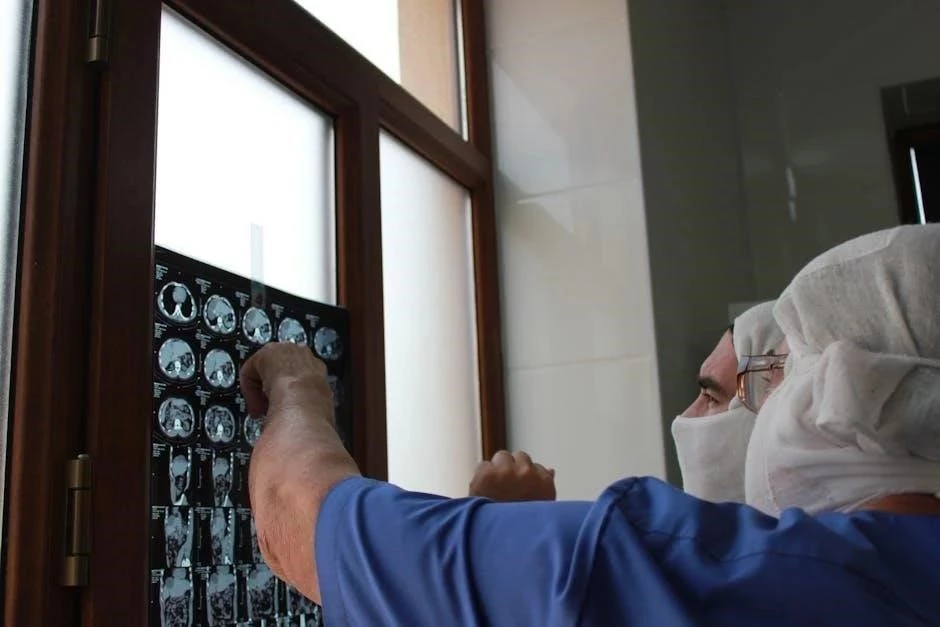
IMAGE DESCRIPTION: A wide shot of a modern New York City medical conference room where a diverse team of doctors and nurses are reviewing digital patient charts on a large screen, highlighting interdisciplinary collaboration. (1200px)
For more information on patient rights and health records in New York, visit health.ny.gov.
Establishing a Lead Care Coordinator
To achieve true continuity, one provider must take the helm as the captain of the ship. Typically, this role falls to the Primary Care Physician (PCP) or a specialized Geriatric Care Manager. Their responsibility is to synthesize information from all specialists and look at the patient holistically rather than focusing on a single organ system.
The lead coordinator is responsible for:
- Reviewing consultation notes from specialists.
- Spotting conflicting medical advice.
- Authorizing referrals that align with the overall care plan.
Medication Reconciliation and Safety
One of the most dangerous consequences of poor care coordination is polypharmacy, where a patient takes multiple medications that may interact negatively. A cardiologist may prescribe a blood thinner while a rheumatologist prescribes an anti-inflammatory, potentially causing bleeding risks if not cross-referenced.
Regular medication reconciliation is a critical clinical process. This involves comparing the patient’s current medication orders to all of the medications that the patient has been taking. In NYC, pharmacists play a vital role in this loop, often acting as the final checkpoint before a patient takes a new drug.
IMAGE DESCRIPTION: A close-up view of a senior patient’s hands sorting various pills into a weekly medication organizer, with a printed list of prescriptions and a stethoscope resting on the table nearby. (1200px)
Leveraging Health Information Exchange (HIE)
New York State utilizes the Statewide Health Information Network for New York (SHIN-NY). This technology allows healthcare providers to access secure electronic health records regardless of where the patient was treated previously. It is a vital tool for emergency room doctors who may need immediate access to a patient’s allergy list or recent surgical history.
Patients must often consent to allow their providers to view this data. Ensuring that your providers have “consent to access” is a proactive step in managing your own continuity of care.
Learn more about health information technology at health.ny.gov.
Managing Transitions of Care
The transition from a hospital setting back to the home is a vulnerable time. Discharge planning must begin well before the patient leaves the facility. Inadequate discharge planning is a leading cause of hospital readmissions in New York City.
Effective transition planning includes:
- Scheduling follow-up appointments before leaving the hospital.
- Ensuring home medical equipment (like oxygen or walkers) is delivered.
- Educating the patient and family on “red flag” symptoms that require immediate attention.
IMAGE DESCRIPTION: A compassionate nurse standing in a bright living room, holding a tablet and explaining a post-discharge care plan to an elderly woman and her adult daughter. (1200px)
Resources on discharge planning can be found at health.ny.gov.
The Role of Family Proxies and Advocacy
While medical professionals handle the clinical side, family members often serve as the bridge for information. Designating a Health Care Proxy is essential. This legal document allows a trusted person to make medical decisions if the patient cannot do so themselves.
In a multi-provider scenario, the proxy often carries the “binder”—a physical or digital collection of recent labs, discharge summaries, and medication lists. Being an active advocate ensures that the patient’s voice is heard and that their preferences for care are respected across all medical teams.
Frequently Asked Questions
What is the difference between a PCP and a specialist in care coordination?
A Primary Care Physician (PCP) acts as the general manager of your health, overseeing the big picture and coordinating referrals. A specialist focuses on a specific area of the body or condition (like the heart or diabetes) and relies on the PCP to integrate their treatments into your overall care plan. Nurse Services
How does the SHIN-NY network help with my medical records?
SHIN-NY connects electronic health records across New York State. It allows doctors in different hospital systems to see your medical history, test results, and medications securely, reducing the need for you to physically carry records between appointments.
What should I bring to a new specialist appointment to ensure continuity?
Always bring a current, printed list of all medications (including dosages), a summary of your medical history, recent lab results, and the contact information for your Primary Care Physician. This helps the new doctor understand your background immediately.
Can a pharmacist help coordinate my care?
Yes. Pharmacists are often the first to notice potential drug interactions from prescriptions written by different doctors. Using a single pharmacy for all your prescriptions allows the pharmacist to maintain a complete profile and alert you to safety issues.
What is a “transition of care” appointment?
This is a specific visit with your primary doctor that occurs shortly after being discharged from a hospital. The purpose is to review what happened during the hospital stay, update medications, and prevent complications that could lead to readmission.
Contact ProLife Home Care NYC for a free clinical assessment:(718) 232 – 2777