Caring for an aging loved one in the bustling environment of New York City requires constant vigilance over their cardiovascular health․ Many families find that traditional, once-a-day readings are insufficient to capture the dynamic pressure changes caused by the city’s unique stressors․ Utilizing Wearable blood pressure monitors NYC allows families to stay connected to their senior’s vitals, offering a sense of security and proactive care․ This technology ensures that even during busy city commutes or quiet moments at home, your loved one's heart health is never left to chance․
Clinical Quick Answer
Continuous monitoring is a critical component in managing hypertensive seniors, as it identifies “white-coat” and “masked” hypertension that standard office visits often miss․ By integrating Cardiac Health Monitoring into daily routines, clinicians can gather a comprehensive data set that reflects real-world physiological responses․ This 24/7 data stream enables more precise medication adjustments and significantly reduces the risk of stroke and cardiac events among the elderly NYC population․
Understanding the Impact of the NYC Environment on Senior Blood Pressure
- New York City presents unique environmental stressors, including high levels of ambient noise and extreme temperature fluctuations, which can cause sudden spikes in blood pressure for sensitive seniors․
- The physical demand of navigating public transportation, including subways with many stairs and long walking distances, requires real-time monitoring to ensure heart rate and pressure remain within safe clinical margins․
- Air quality and urban density in boroughs like Brooklyn and the Bronx have been linked to higher baseline inflammation, making consistent Wearable blood pressure monitors NYC data essential for early detection of cardiac distress․
- Senior residents often experience “circadian rhythm disruptions” due to the city’s light pollution and noise, which can lead to nocturnal hypertension-a condition only detectable through 24/7 wearable tracking․
- Accessing care in NYC often involves long wait times and travel; wearable tech provides a continuous safety net during the gaps between primary care appointments․
- The high-sodium nature of many urban “on-the-go” food options necessitates immediate feedback on how dietary choices are affecting a senior's vascular health․
The Critical Role of Cardiac Health Monitoring in Preventive Care
- Cardiac Health Monitoring is no longer confined to the hospital setting; it now empowers seniors to take ownership of their health from their own living rooms in Manhattan or Queens․
- Continuous data collection allows for the identification of arrhythmias, such as Atrial Fibrillation (AFib), which are frequently associated with untreated hypertension in the elderly․
- By tracking the “Pressure-Rate Product,” clinicians can better understand the workload on a senior's heart during various daily activities, from climbing stairs to resting․
- Predictive analytics within modern monitoring software can alert home care providers to potential hypertensive crises before they escalate into emergencies requiring hospitalization․
- The integration of these monitors with telehealth platforms ensures that NYC physicians receive high-quality, longitudinal data rather than sporadic, potentially inaccurate manual snapshots․
- Effective monitoring reduces the “revolving door” phenomenon in NYC hospitals by identifying symptoms early enough for outpatient intervention․
Benefits of Wearable Blood Pressure Monitors for NYC Families
- Wearable blood pressure monitors NYC offer families the ability to remotely view their parents’ health data through smartphone apps, providing peace of mind for adult children who work full-time․
- Unlike traditional arm cuffs, wearables are discreet and can be worn as watches or patches, increasing compliance among seniors who may be self-conscious about medical equipment․
- Automated data logging eliminates the need for seniors to manually record readings in a paper diary, which is often prone to transcription errors or being forgotten․
- Many devices feature fall detection and emergency SOS buttons alongside blood pressure tracking, creating a multi-functional safety device tailored for urban living․
- The historical data stored on these devices makes it easier for family members to advocate for their loved ones during specialist consultations at major medical centers like NYU Langone or Mount Sinai․
- Real-time alerts can be sent to multiple family members simultaneously if a reading crosses a pre-set dangerous threshold, ensuring a rapid response․
Overcoming Clinical Challenges with 24/7 Tracking
- White-coat hypertension-elevated readings due to the stress of a doctor’s office-is particularly prevalent in NYC’s high-volume clinics; wearables provide the “true” baseline․
- Masked hypertension occurs when a patient has normal readings in the clinic but high readings at home; 24/7 tracking is the only reliable way to diagnose this hidden risk․
- Wearables facilitate “medication titration,” allowing doctors to see exactly how long a blood pressure pill stays effective throughout the day and whether a dosage change is needed․
- Modern sensors have improved significantly in accuracy, with many now meeting the ISO standards required for clinical validation, making them reliable tools for NYC Medicaid specialists․
- Continuous tracking helps in identifying “non-dippers”-individuals whose blood pressure doesn’t drop at night-which is a major risk factor for cardiovascular events․
- The use of oscillometric technology in wrist-based wearables has made the process of taking a reading virtually silent and non-intrusive during sleep․
Integrating Wearable Tech into NYC Home Care and Medicaid Services
- Many NYC Medicaid-funded home care programs are now incorporating Remote Patient Monitoring (RPM) to improve health outcomes for seniors living in underserved neighborhoods․
- Home health aides can be trained to assist seniors with the synchronization of their Wearable blood pressure monitors NYC, ensuring data is consistently uploaded to the care portal․
- The data from these devices can be used to justify additional hours of care or specialized nursing visits by demonstrating a high level of clinical need․
- Social workers and case managers in the NYC healthcare system use this data to prioritize interventions for the most at-risk patients in their caseloads․
- New York State's telehealth expansion has made it easier for seniors to have their wearable data reviewed by specialists without the physical strain of traveling to a clinic․
- Financial assistance programs and some Medicare Advantage plans in the city are beginning to cover the cost of these devices as part of value-based care initiatives․
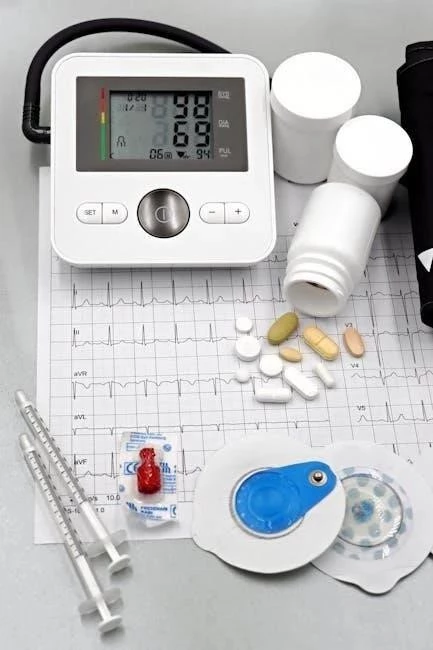
The Future of Senior Heart Health in the Five Boroughs
- As Artificial Intelligence (AI) advances, Wearable blood pressure monitors NYC will soon be able to predict a hypertensive spike before it happens based on weather patterns and activity levels․
- The move toward “Smart Cities” may see wearable health data being used to help seniors navigate NYC more safely, suggesting routes with less physical strain․
- Community-based organizations in Brooklyn and Harlem are increasingly using wearable data to address health disparities in cardiac outcomes․
- The transition from reactive care to proactive management through continuous monitoring is expected to save the NYC healthcare system millions in emergency room costs over the next decade․
- Interoperability between different brands of wearables and hospital electronic health records (EHR) is becoming the standard for NYC's top-tier medical institutions․
- Empowering seniors with their own health data fosters a sense of agency and independence, which is vital for mental well-being in the aging population․
Nurse Insight: In my experience working with seniors across New York City, the transition to 24/7 monitoring is a game-changer, but it requires a gentle touch․ Many seniors are intimidated by new technology, so I always recommend that families set up the device together and explain it as a “digital companion” rather than a medical surveillance tool․ I've seen firsthand how catching a midnight pressure spike in a patient from Staten Island allowed us to adjust his medication before a stroke occurred․ Consistency is key; make sure the wearable is charged every night right next to their bed so it becomes a seamless part of their NYC lifestyle․
Frequently Asked Questions
Are wearable blood pressure monitors as accurate as the ones in a doctor’s office?
Does NYC Medicaid cover the cost of these wearable monitors?
How often should a senior in NYC sync their wearable device?
Can these monitors help if my loved one lives in a high-rise building with poor cell service?
What is the main difference between a heart rate monitor and a blood pressure wearable?
Contact ProLife Home Care NYC for a free clinical assessment:(718) 232 – 2777
Contact ProLife Home Care NYC for a free clinical assessment: (718) 232-2777