Chronic Obstructive Pulmonary Disease (COPD) requires rigorous, ongoing management to maintain quality of life and prevent hospital readmissions. In the unique environment of New York City, managing respiratory health involves navigating environmental triggers, ensuring precise oxygen therapy compliance, and executing complex medication regimens. ProLife Home Care NYC provides high-level clinical nursing interventions directly in the home, ensuring safety, stability, and professional respiratory support.
Clinical Summary
- Respiratory Stabilization: Implementation of advanced home monitoring including continuous pulse oximetry, symptom tracking for exacerbations, and immediate clinical intervention protocols.
- Oxygen Therapy Management: Professional oversight of home oxygen delivery systems (concentrators, tanks), safety compliance, and skin integrity management for cannula use.
- Medication Adherence & Education: Registered Nurse (RN) led education on bronchodilators, corticosteroids, and nebulizer usage, specifically tailored to the patient’s home environment in NYC.

Anna Klyauzova, MSN, RN
Director of Patient Services
Expert in geriatric respiratory care and home-based clinical nursing interventions.
The Clinical Reality of COPD in New York City
Chronic Obstructive Pulmonary Disease encompasses a group of diseases, primarily emphysema and chronic bronchitis, that cause airflow blockage and breathing-related problems. For NYC residents, the management of COPD presents unique challenges. The density of the city, varying air quality indices, and seasonal extremes—from humid summers to dry, cold winters—can significantly impact respiratory function;
At ProLife Home Care, we recognize that COPD is not a static condition; it is progressive. Our clinical approach focuses on “maintenance and prevention.” By bringing skilled nursing care into the home, we bridge the gap between hospital discharge and independent living. We aim to control symptoms, slow the progression of the disease, and minimize the frequency of acute exacerbations that lead to emergency room visits;
Home Oxygen Therapy: Safety and Titration
For many patients with advanced COPD, long-term oxygen therapy (LTOT) is a cornerstone of treatment. However, oxygen is a drug and must be managed with clinical precision. Improper use can lead to carbon dioxide retention (hypercapnia) or hypoxemia. Our nursing team oversees the entire spectrum of oxygen management.
Equipment Management and Safety
Navigating oxygen tubing in a standard NYC apartment requires strategic planning to prevent falls. Our nurses assess the home environment to ensure that oxygen concentrators are positioned correctly for ventilation and that backup tanks are stored safely. We conduct rigorous safety audits to mitigate fire risks, ensuring no open flames or smoking occur near oxygen sources.
Monitoring Saturation Levels
We utilize medical-grade pulse oximetry to monitor oxygen saturation (SpO2). Our nurses differ from standard aides; we are trained to recognize the subtle signs of hypoxia (low oxygen) even when SpO2 readings might appear borderline. We ensure that flow rates prescribed by the pulmonologist are strictly adhered to, whether the patient is at rest, exerting themselves during activities of daily living (ADLs), or sleeping.
Skin Integrity Maintenance
Continuous use of nasal cannulas and masks can cause skin breakdown behind the ears and inside the nares. ProLife nurses implement preventative skin care routines, utilizing water-based lubricants and protective padding to prevent pressure ulcers, which can be painful and lead to infection.
Pharmacological Management and Respiratory Hygiene
The medication regimen for a COPD patient is often complex, involving a combination of short-acting and long-acting bronchodilators, inhaled corticosteroids, and oral medications. Adherence is critical for symptom control.
Inhaler Technique and Nebulizers
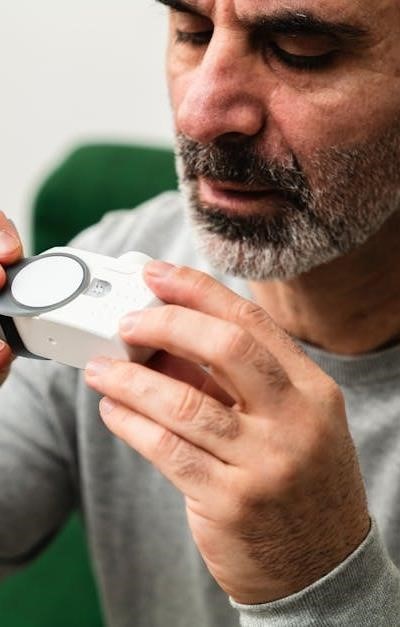
Studies show that a significant percentage of patients use inhalers incorrectly, resulting in sub-optimal drug delivery. Our Registered Nurses provide hands-on training and verification of inhaler technique (MDI and DPI). For patients requiring nebulizer treatments, we manage the equipment maintenance, ensure proper cleaning to prevent bacterial growth (such as Pseudomonas), and assist with the administration of treatments during visits.
Secretions Clearance
In chronic bronchitis, mucus hypersecretion is a major issue. Our care plans include chest physiotherapy techniques and controlled coughing exercises to help mobilize and clear secretions. This reduces the risk of pneumonia and improves ventilation efficiency.
Preventing and Managing Acute Exacerbations
An exacerbation—a sudden worsening of symptoms—is the primary cause of hospitalization for COPD patients. Early detection is the key to managing these events at home. ProLife Home Care professionals are trained to identify the “soft signs” of an impending flare-up before it becomes a crisis.
Clinical Red Flags We Monitor:
- Sputum Changes: Changes in color (yellow/green), consistency, or volume.
- Increased Dyspnea: Shortness of breath that is worse than usual or occurs with less activity.
- Vital Sign Changes: Tachycardia (rapid heart rate), tachypnea (rapid breathing), or fever.
- Cognitive Changes: Confusion or lethargy, which may indicate high CO2 levels.
By identifying these signs early, our nurses can coordinate with the patient’s primary care physician or pulmonologist to adjust medications—such as initiating a “rescue pack” of steroids or antibiotics—potentially avoiding a hospital admission.
Pulmonary Rehabilitation Techniques at Home
While medication handles the physiology, physical mechanics play a huge role in how a patient feels. We bring principles of pulmonary rehabilitation into the home setting. This helps patients combat the deconditioning spiral, where breathlessness leads to inactivity, which leads to muscle loss and worsening breathlessness.
Breathing Retraining
Our staff educates patients on Pursed-Lip Breathing and Diaphragmatic Breathing. These techniques help keep airways open longer, allowing trapped air to escape from the lungs (reducing hyperinflation) and reducing the work of breathing. Mastering these techniques can be life-saving during moments of panic or acute shortness of breath. Common Health Issues
Energy Conservation
Living in NYC often involves stairs, walking to appointments, or managing household tasks. We teach energy conservation strategies—breaking tasks into smaller parts, coordinating breathing with movement, and rearranging the home environment to minimize unnecessary exertion.
Navigating NYC Environmental Triggers
New York City poses specific environmental risks for COPD patients. Ground-level ozone, particulate matter from traffic, and allergens can trigger bronchospasms. ProLife Home Care integrates environmental awareness into our care plans.
We advise on air filtration systems (HEPA filters) suitable for NYC apartments to reduce indoor pollutants. During high pollen counts or air quality alerts, we coordinate care to ensure the patient remains indoors in a controlled environment. Furthermore, we ensure the home is kept at an optimal humidity level; dry air can irritate airways, while excessive humidity can breed mold.
Frequently Asked Questions
Secure Professional Respiratory Care in NYC Today
Don’t manage COPD alone. Contact ProLife Home Care for a clinical consultation.
(718) 232-2777
Call Now
Contact ProLife Home Care NYC for a free clinical assessment:(718) 232 – 2777