
As a senior Registered Nurse practicing in the New York metropolitan area, I have seen firsthand how critical the NYP Hudson Valley Hospital transition is for patients returning to their homes in Cortlandt and the surrounding Westchester communities․ Transitioning from an acute care setting to the home environment requires a high level of clinical oversight to ensure that the recovery momentum gained in the hospital is not lost․ My role often involves guiding families through the complexities of post-discharge care, ensuring that every medical detail is addressed with the precision that New York-Presbyterian standards demand․ A successful move home is built on a foundation of professional communication and proactive clinical management․
The process of Cortlandt Excellence: Transitioning Home from NYP Hudson Valley involves a structured Nursing Assessment to bridge the gap between hospital discharge and home-based recovery․ This transition focuses on medication reconciliation, wound management, and early detection of complications to prevent hospital readmission․ By implementing a professional care plan immediately upon arrival at home, patients can safely recover in a familiar environment while maintaining the high clinical standards of the New York-Presbyterian network․
From a clinical perspective, the most dangerous period for a patient is the first 48 hours following a NYP Hudson Valley Hospital transition․ The primary risk is not just the primary diagnosis, but “transition fatigue,” where patients and caregivers become overwhelmed by new medication schedules and fragmented discharge instructions․ A common mistake I observe is the failure to perform a comprehensive Nursing Assessment within hours of the patient reaching their doorstep․ In the New York healthcare system, speed is safety; identifying a slight change in respiratory status or a minor drug interaction early can be the difference between a successful recovery and an emergency room visit․ Clinical vigilance must be constant, as the home environment lacks the continuous monitoring equipment found in the hospital, making the nurse’s physical assessment skills the most valuable tool in the room․
ProLife Home Care offers the specialized expertise required to manage a complex NYP Hudson Valley Hospital transition with professionalism and clinical accuracy․ Our team ensures that every patient receives a dedicated Nursing Assessment that aligns with the highest standards of New York healthcare․ To learn more about how we support patients in their recovery journey, visit our Home Care Services in NYC․
Establishing the Clinical Foundation: The Comprehensive Nursing Assessment
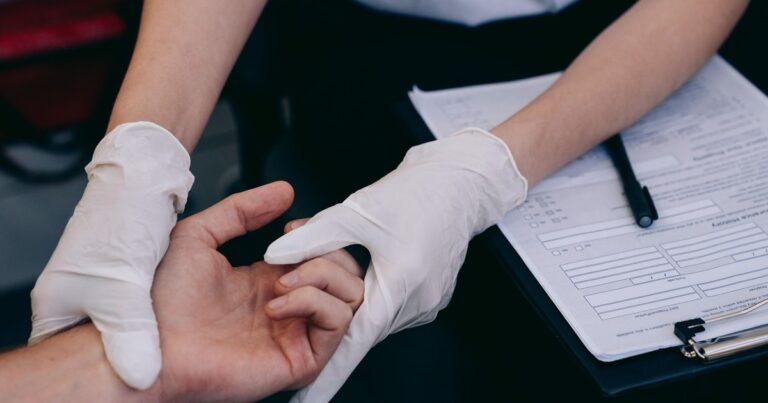
The journey from NYP Hudson Valley Hospital back to a residence in Cortlandt Manor or the broader Westchester area is a significant milestone, but it is one fraught with clinical risks if not managed properly․ The centerpiece of this process is the Nursing Assessment․ This is not a mere checklist but a deep clinical dive into the patient's current physiological and psychological state․ When a nurse enters the home for the first time, they are looking for deviations from the hospital's discharge summary․ They evaluate the patient's vitals, but more importantly, they evaluate the patient's ability to thrive in their specific home environment․ This involves a level of “Cortlandt Excellence” that demands attention to detail, from the stability of the patient’s gait to the clarity of their cognitive function after anesthesia or heavy medication cycles․
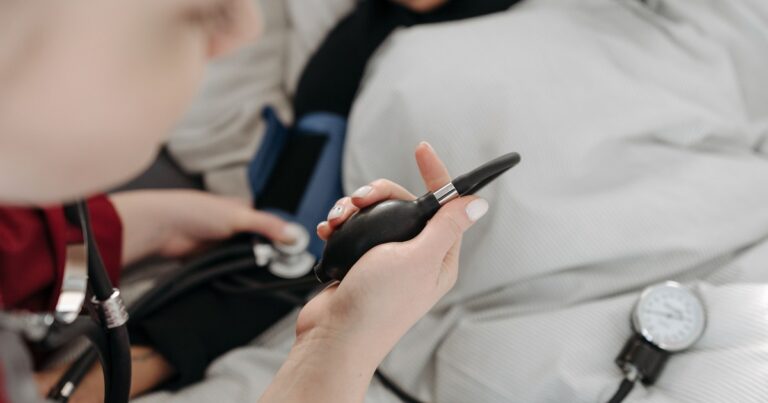
- Vitals and Physical Stability: Monitoring blood pressure, heart rate, and oxygen saturation to ensure the patient is hemodynamically stable outside the hospital setting․
- Wound and Site Inspection: For surgical patients, assessing incision sites for early signs of infection such as erythema, edema, or unusual drainage․
- Cognitive Function: Checking for signs of post-hospital delirium, which is common in elderly patients after a stay at NYP Hudson Valley․
- Home Safety Evaluation: Identifying trip hazards, lighting issues, and the accessibility of essential items to prevent falls during the early recovery phase․
- Pain Management: Evaluating the effectiveness of prescribed analgesics and ensuring the patient is not experiencing adverse side effects․
Medication Reconciliation During the NYP Hudson Valley Hospital Transition
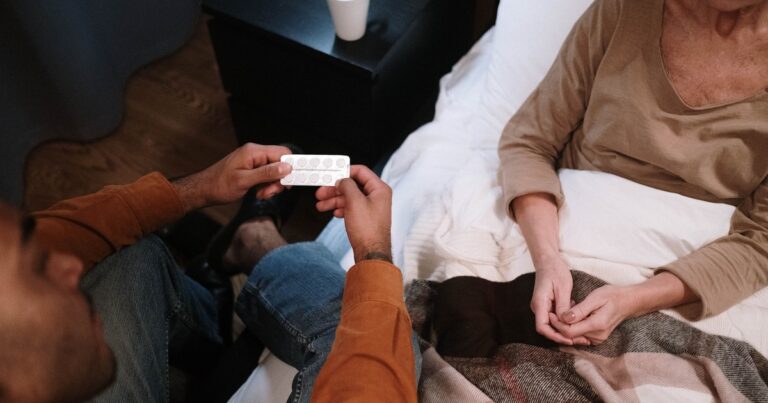
One of the most complex aspects of the NYP Hudson Valley Hospital transition is managing the pharmacy of medications that often accompanies a discharge․ In the New York healthcare system, it is common for a patient to leave the hospital with a list of new prescriptions that may conflict with medications they were taking prior to admission․ Without a professional Nursing Assessment, the risk of a medication error is incredibly high․ A nurse must sit down with the patient and the family to cross-reference every bottle in the cabinet with the discharge orders․ This process ensures that “double-dosing” does not occur-a frequent problem when a patient takes both a brand-name drug and its generic equivalent because they do not realize they are the same medication․
- Anticoagulant Management: Ensuring that patients on blood thinners understand their dosage and the signs of internal bleeding․
- Antibiotic Compliance: Verifying that the patient knows exactly how long to continue their course of antibiotics to prevent recurring infections․
- Drug Interaction Screening: Checking for potential conflicts between new hospital prescriptions and long-term supplements or herbal remedies․
- Pharmacy Coordination: Working with local Cortlandt pharmacies to ensure that all refills are synchronized and delivered on time․
- Patient Education: Teaching the patient the “why” behind each pill to increase adherence and decrease anxiety․
Preventing Rehospitalization through Proactive Monitoring
The goal of Cortlandt Excellence: Transitioning Home from NYP Hudson Valley is to ensure the patient never has to return to the emergency room for the same issue․ Rehospitalization is not just a clinical failure; it is a traumatic event for the patient and their family․ A skilled nurse uses the initial Nursing Assessment to identify “red flags” that are specific to the patient's condition․ For instance, if a patient was treated for congestive heart failure at NYP Hudson Valley, the nurse will look specifically for a two-pound weight gain in 24 hours or increasing edema in the lower extremities․ By catching these signs early, the nurse can contact the primary care physician and adjust medications in the home, avoiding a stressful return to the hospital․
- Symptom Specificity: Tailoring the monitoring to the diagnosis, whether it is cardiac, respiratory, or post-surgical․
- Fluid Balance Tracking: Monitoring intake and output for patients with renal or cardiac concerns․
- Early Intervention Protocols: Having a clear plan of action when a patient's condition begins to drift from the expected recovery path․
- Communication Loops: Ensuring that the surgeons and specialists at NYP Hudson Valley are kept informed of the patient’s progress at home․
- Triage Skills: Determining when a symptom is a normal part of healing and when it requires immediate medical intervention․
The Role of Specialized Nursing in Post-Surgical Recovery
For many residents in the Hudson Valley area, a stay at NYP Hudson Valley involves advanced surgical procedures․ Transitioning home after surgery requires a specialized Nursing Assessment that focuses on wound care and mobility․ Surgical sites are vulnerable to the New York climate and the specific conditions of a patient's home․ A nurse must ensure that the environment is sterile enough for dressing changes and that the patient is moving enough to prevent deep vein thrombosis (DVT) but not so much that they jeopardize their internal repairs․ This balance is the hallmark of “Cortlandt Excellence․” The nurse acts as the eyes and ears of the surgeon, providing high-level clinical feedback that is essential for a positive outcome․
- Dressing Changes: Performing sterile technique changes to minimize the risk of MRSA or other community-acquired infections․
- Drain Management: Monitoring JP drains or other surgical output devices for volume and color․
- DVT Prophylaxis: Encouraging and assisting with early ambulation and the use of compression stockings․
- Infection Education: Training the family to recognize the subtle early signs of a brewing infection before it becomes a crisis․
- Mobility Assessment: Evaluating the patient’s ability to use walkers or canes safely within the specific layout of their home․
Navigating the NYC and Westchester Healthcare Network
The NYP Hudson Valley Hospital transition does not happen in a vacuum; it is part of a massive, interconnected New York healthcare system․ Coordinating care between the hospitalists at NYP, local primary care doctors in Cortlandt, and specialists in NYC requires significant administrative and clinical effort․ A nurse performing a Nursing Assessment also acts as a care coordinator․ They ensure that follow-up appointments are scheduled, that the results of hospital labs have been sent to the appropriate doctors, and that transportation is arranged if the patient is unable to drive․ This holistic approach reduces the burden on the family and ensures that no part of the patient’s care falls through the cracks during the move from hospital to home․
- Electronic Health Record (EHR) Integration: Ensuring that all providers have access to the same current clinical information․
- Follow-up Appointment Verification: Confirming that the patient has a way to get to their crucial post-op checkups․
- Social Determinants of Health: Assessing if the patient has access to healthy food and a warm, safe environment during their recovery․
- Insurance Advocacy: Helping the family understand what home care services are covered under their specific New York plan․
- Specialist Outreach: Contacting NYC-based specialists if the patient's condition requires expert consultation․

Empowering Caregivers through Clinical Education
In the end, the success of a NYP Hudson Valley Hospital transition often depends on the family members living with the patient․ A vital part of the Nursing Assessment is evaluating the caregiver's ability to provide the necessary support․ Nurses provide “Cortlandt Excellence” by turning complex medical jargon into actionable instructions for the family․ We teach them how to assist with transfers, how to manage oxygen equipment, and how to recognize when a patient is becoming confused or lethargic․ By empowering the caregiver, the nurse creates a sustainable environment for recovery that lasts long after the nursing shift has ended․ This educational component is the most enduring part of the home care transition process․
- Hands-on Training: Demonstrating the correct way to help a patient move from a bed to a chair without injury․
- Emergency Response Coaching: Teaching caregivers exactly who to call and what to say if an emergency occurs․
- Stress Management: Recognizing caregiver burnout and suggesting resources for respite care․
- Nutritional Guidance: Helping the family prepare meals that meet the specific dietary restrictions prescribed by the hospital․
- Equipment Mastery: Ensuring everyone in the house knows how to operate hospital beds, nebulizers, or glucose monitors․
| Service | What It Includes | Why It Matters<br /> |
|---|---|---|
| Clinical Nursing Assessment | Physical exam and vitals check | Detects early signs of medical complications․ |
| Medication Reconciliation | Cross-checking all old and new meds | Prevents dangerous drug interactions and errors․ |
| Wound and Incision Care | Sterile dressing changes and monitoring | Reduces the risk of post-surgical infections․ |
| Caregiver Education | Training on medical tasks and safety | Empowers family to support recovery effectively․ |
| Coordination of Care | Communication with NYP physicians | Ensures a seamless transition within the NY health system․ |
Frequently Asked Questions
What is the most important part of the NYP Hudson Valley Hospital transition?
The most critical element is the initial Nursing Assessment, which identifies immediate risks and ensures the home environment is safe for recovery․
How does a Nursing Assessment prevent hospital readmission?
It catches subtle changes in a patient’s health, such as rising blood pressure or early infection, allowing for home-based treatment before the condition requires an ER visit․
When should the Nursing Assessment take place after discharge?
Ideally, the assessment should occur within the first 24 hours of the patient returning home to address medication changes and physical stability immediately․
Can the nurse help with medications during the NYP Hudson Valley Hospital transition?
Yes, the nurse performs medication reconciliation to ensure the patient is taking the correct dosages and that new prescriptions don’t clash with existing ones․
Is the transition process different for surgical patients?
Yes, for surgical patients, the transition focuses heavily on wound care, pain management, and preventing blood clots through mobility assessments․
Contact ProLife Home Care NYC for a free clinical assessment: (718) 232-2777