As a Senior Nurse practicing in the heart of New York City, I have seen firsthand how the comfort of one’s own culture significantly accelerates healing and improves quality of life. For our Hindu elders in Queens, home care is not just about medical management; it is about preserving a way of life that spans generations and continents. Your family deserves a care plan that honors your traditions, from dietary observances to spiritual rituals, while maintaining the highest clinical standards. We understand that inviting a caregiver into your home is a gesture of trust, and we are committed to making that transition seamless for your loved ones.
Clinical Quick Answer
Effective Hindu senior home care Queens begins with a culturally sensitive Nursing Evaluation that assesses not only physical health but also spiritual and dietary requirements unique to the Hindu faith. By integrating Vedic principles with evidence-based nursing interventions, caregivers can provide a holistic environment that supports both chronic disease management and emotional well-being; This specialized approach ensures that seniors receive professional medical oversight while remaining deeply connected to their cultural roots within the Queens community.
The Significance of Culturally Competent Hindu Senior Home Care Queens
Queens is one of the most diverse boroughs in the world, and for the Hindu community, it serves as a vibrant hub of culture and religion. When seeking Hindu senior home care Queens, families are looking for more than just basic assistance; they are looking for a bridge between modern medicine and traditional values. Cultural competence in nursing involves a deep understanding of the patient’s worldview, including their beliefs about health, illness, and the aging process.
- Language Harmony: Many Hindu seniors in Queens feel most comfortable speaking Hindi, Gujarati, or other regional dialects. Providing caregivers who speak these languages reduces the risk of medication errors and social isolation.
- Respect for Elders (Pranam): A caregiver who understands the traditional respect given to elders in Hindu culture can build a stronger therapeutic bond with the patient.
- Modesty and Privacy: Understanding cultural norms regarding modesty is essential during personal care tasks like bathing and dressing.
- Community Integration: Care plans often include visits to local temples in Richmond Hill or Flushing, ensuring the senior remains an active part of their community;
The Critical Role of the Nursing Evaluation in Care Planning
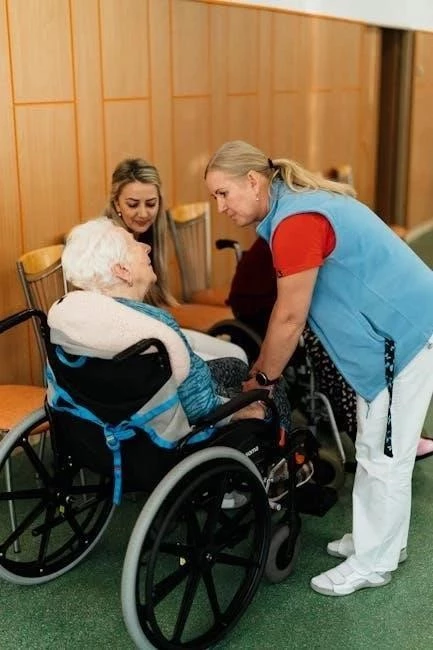
The Nursing Evaluation is the cornerstone of any effective home care strategy. In New York, this process often involves the Uniform Assessment System (UAS-NY), which determines the level of care required and the number of hours approved by insurance or Medicaid. For Hindu seniors, this evaluation must be conducted with an eye toward specific cultural needs that might affect their health outcomes.
- Physical Assessment: A thorough check of vital signs, mobility, and chronic conditions such as diabetes or hypertension, which are prevalent in the South Asian community.
- Medication Review: Ensuring that all prescriptions are understood and that any traditional or Ayurvedic supplements are documented to avoid potential drug interactions.
- Safety Screening: Evaluating the home environment for fall risks, which is particularly important in the multi-generational households common in Queens.
- Functional Independence: Assessing the senior’s ability to perform Activities of Daily Living (ADLs) while considering their desire to remain independent in their spiritual practices.
Integrating Nutritional Needs and Satvic Diets
Dietary habits are deeply intertwined with Hindu religious practice. Many seniors follow a Satvic diet, which emphasizes pure, vegetarian foods that promote health and serenity. When arranging Hindu senior home care Queens, the caregiver’s ability to prepare or assist with these specific meals is a primary concern for the family.
- Vegetarianism: Strict adherence to a meat-free diet, often excluding eggs and sometimes onions or garlic depending on the specific tradition.
- Fasting Protocols: Caregivers must be aware of religious fasting days (such as Ekadashi) and how these might impact medication schedules, especially for diabetic patients.
- Ayurvedic Influence: The inclusion of warming spices like turmeric and ginger, which are valued for their anti-inflammatory properties and general health benefits.
- Hydration and Purity: Ensuring that water and food are served in a manner that respects the senior’s notions of purity and cleanliness.
Spiritual Wellness and Home Care Coordination
For many Hindu elders, spiritual health is inseparable from physical health. A Nursing Evaluation will often identify the need for a calm, quiet space for daily Pooja or meditation. Home care agencies in Queens recognize that facilitating these moments of prayer is essential for the mental health of the senior.
- Support for Daily Rituals: Caregivers can assist seniors in preparing for prayer, such as helping them wash or moving them to their home altar safely.
- Observing Festivals: Coordination of care during major festivals like Diwali, Holi, or Navaratri, allowing the senior to participate in family celebrations without compromising their medical care.
- End-of-Life Traditions: Respecting the specific rites and rituals associated with the end of life in the Hindu faith, ensuring that the senior’s final wishes are honored with dignity.
- Mental Stimulation: Encouraging the reading of sacred texts or listening to bhajans, which can be particularly therapeutic for patients with dementia or Alzheimer’s.
Navigating NYC Medicaid and Home Care Regulations
The landscape of home care in New York is governed by strict regulations and a complex Medicaid system. Families in Queens often need guidance on how to access the benefits their loved ones are entitled to. You can find detailed information on these regulations by visiting the NY State DOH website.
- Medicaid Eligibility: Assisting families in understanding the income and asset requirements for long-term care Medicaid in New York.
- CDPAP Program: The Consumer Directed Personal Assistance Program is highly popular in the Queens Hindu community as it allows seniors to hire family members or trusted friends as their caregivers.
- Managed Long Term Care (MLTC): Navigating the various MLTC plans available in Queens to find one that offers a robust network of culturally sensitive providers.
- Documentation: The Nursing Evaluation provides the necessary medical documentation to justify the need for increased care hours or specialized services.
Managing Chronic Conditions in the South Asian Population
Clinical data suggests that South Asian seniors may have a higher predisposition to certain metabolic conditions. Hindu senior home care Queens focuses heavily on the management of these chronic illnesses through monitoring and lifestyle interventions.
- Diabetes Management: Monitoring blood sugar levels and managing insulin, while also educating the family on the impact of high-carbohydrate traditional diets.
- Cardiovascular Health: Queens nurses focus on blood pressure control and heart-healthy habits, adapting recommendations to fit within the context of a vegetarian lifestyle.
- Respiratory Care: Addressing conditions like asthma or COPD, which can be exacerbated by urban pollution or the use of incense in the home.
- Osteoporosis Prevention: Encouraging weight-bearing exercises and ensuring adequate Vitamin D and calcium intake, which is crucial for vegetarian seniors.
Nurse Insight: In my experience working with Hindu families in neighborhoods like Jackson Heights and Richmond Hill, the key to a successful care relationship is the Nursing Evaluation. It is during this time that we bridge the gap between clinical requirements and cultural expectations. I always recommend that families be very vocal about their dietary and spiritual preferences during this initial assessment. When we align our medical goals with your family’s traditions, we see much higher levels of patient satisfaction and better health outcomes. Remember, you are not just hiring a helper; you are choosing a partner in your loved one’s health journey.
Frequently Asked Questions
How is a Nursing Evaluation conducted for Hindu seniors in Queens?
A Nursing Evaluation involves a comprehensive assessment of the senior’s physical health, cognitive status, and cultural preferences. A registered nurse will visit the home to evaluate the patient’s medical history, current medications, and functional abilities. In Queens, this often includes using the UAS-NY tool to determine eligibility for Medicaid-funded home care, ensuring that spiritual and dietary needs are integrated into the final care plan.
Does Hindu senior home care Queens provide vegetarian meal options?
Yes, most agencies specializing in care for the Hindu community ensure that caregivers are proficient in preparing vegetarian meals. They understand the importance of Satvic principles and can work with the family to ensure that all meals are prepared according to religious and cultural standards, while also meeting the senior’s specific nutritional requirements.
Can a caregiver assist with daily Pooja or spiritual rituals?
Caregivers can provide the physical assistance necessary for a senior to engage in their spiritual rituals. This may include helping them move to their prayer room, assisting with ritual cleansing, or ensuring they have the necessary items for their Pooja. While caregivers are there for medical and daily living support, they respect the spiritual life of the senior as a vital component of their overall health.
Are there Hindi or Punjabi speaking nurses available in Queens?
Queens has a high concentration of bilingual healthcare professionals. Many home care agencies actively recruit nurses and aides who speak Hindi, Punjabi, Bengali, or Gujarati. This linguistic match is crucial during the Nursing Evaluation and subsequent care visits to ensure that the senior can express their needs clearly and feel understood.
How does Medicaid cover home care for Hindu seniors in New York?
In New York, Medicaid covers home care through Managed Long Term Care (MLTC) plans or the Consumer Directed Personal Assistance Program (CDPAP). To qualify, a senior must undergo a Nursing Evaluation to prove medical necessity. Once approved, Medicaid can pay for professional home health aides or, in the case of CDPAP, allow the senior to hire a family member to provide care.
Contact ProLife Home Care NYC for a free clinical assessment:(718) 232 – 2777