Living with diabetes in New York City presents unique challenges, but you never have to face this condition alone. As a Registered Nurse, I understand that tracking blood sugar, managing insulin, and planning meals can feel overwhelming as we age. Our clinical monitoring services bring professional medical care directly to your home, ensuring you stay safe, healthy, and independent.
Quick Answer
Clinical RN monitoring for diabetes in NYC involves regular home visits by licensed nurses to check blood glucose levels, administer insulin, and assess for complications like neuropathy. This proactive medical oversight prevents hospitalizations by detecting dangerous blood sugar fluctuations early and adjusting care plans immediately. Seniors receive personalized education on diet and medication management, ensuring stable health outcomes without leaving their homes.
Specialist in NYC Senior Medicaid Financial Compliance and Care Coordination.
The Critical Role of RN Monitoring for Diabetic Seniors
Managing diabetes is not just about taking a pill; it is a complex balancing act that involves blood glucose monitoring, precise medication administration, nutritional discipline, and constant vigilance for skin integrity. For seniors in New York City, cognitive changes or physical limitations can make self-management dangerous. A Registered Nurse (RN) provides the clinical expertise necessary to bridge the gap between doctor visits and daily life.
Our clinical approach focuses on stability. Uncontrolled diabetes can lead to severe consequences, including kidney failure, vision loss, and cardiovascular disease. By having a licensed nurse monitor your health at home, we act as an early warning system. We identify trends in your blood sugar logs that might indicate a need for medication adjustment before a crisis occurs.

- Medication Reconciliation: Ensuring insulin types and oral medications do not interact negatively with other prescriptions.
- Vitals Monitoring: checking blood pressure and heart rate, which are closely linked to diabetic health.
- Emergency Prevention: Recognizing the subtle signs of diabetic ketoacidosis (DKA) or severe hypoglycemia immediately.
Blood Glucose Management and Insulin Administration
One of the most daunting tasks for seniors is the management of insulin. Whether it is drawing up the correct dosage from a vial or managing an insulin pen, visual impairment and dexterity issues can lead to dosing errors. An overdose of insulin can be fatal, while under-dosing leads to dangerously high blood sugar. Our nurses ensure precision in every dose.
We also implement rigid protocols for blood sugar testing. Random testing is often insufficient for seniors with fluctuating levels. We establish a routine of checking fasting glucose, pre-prandial (before meal) levels, and post-prandial (after meal) levels to create a comprehensive picture of how your body processes sugar. This data is vital for your endocrinologist to make informed decisions about your long-term care plan.
Understanding the Numbers
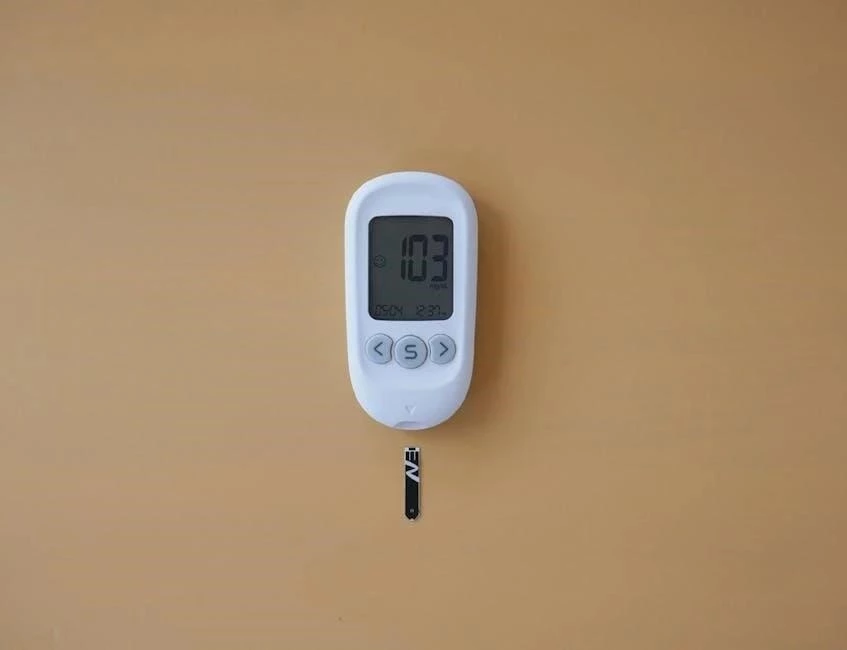
Education is a core component of our service. Many seniors find the numbers on their glucometer confusing. We help you understand what your target range is (typically 80-130 mg/dL before meals for many seniors, though individual goals vary). We also monitor your Hemoglobin A1C trends, which provide a three-month average of your blood sugar control.
Diabetic Foot Care and Skin Integrity
In the bustling environment of NYC, seniors are often on their feet. However, diabetes often causes peripheral neuropathy-a loss of sensation in the feet. This means a senior could step on a tack, develop a blister from tight shoes, or cut their toe and not feel it. Without proper circulation, these minor injuries can quickly turn into infected ulcers, leading to gangrene and amputation.

Our Registered Nurses perform thorough skin and foot assessments during every visit. We look for:
- Changes in skin color or temperature in the lower extremities.
- Dryness or cracking of the skin that could invite bacteria.
- Ingrown toenails or fungal infections.
- Calluses that may hide underlying ulcers.
By catching these issues early, we can apply appropriate dressings, recommend podiatry referrals, and prevent the severe complications that often result in mobility loss.
Nutritional Support in the NYC Food Environment
New York City offers access to every type of food imaginable, but it can also be a minefield of high-sodium, high-carbohydrate processed foods. For a senior with diabetes, navigating nutrition is critical. A “diabetic diet” does not mean you have to stop eating everything you love, but it does require portion control and carbohydrate counting.
Our nurses work with seniors to review their pantry and shopping lists. We provide practical advice on how to read nutrition labels, specifically looking at “Total Carbohydrates” rather than just “Sugar.” We help plan meals that balance fiber, protein, and healthy fats to slow down sugar absorption. Whether you are ordering in or cooking at home, we provide the guidance needed to keep your glucose levels stable without sacrificing the joy of eating.
Coordinating Care with Endocrinologists and Specialists
Effective diabetes management requires a team approach. Your primary care physician and endocrinologist need accurate data to treat you effectively. Often, seniors struggle to communicate exactly what has been happening at home during a short 15-minute office visit. Our nurses serve as your professional advocate and liaison.
We maintain detailed clinical logs of your vitals, blood sugar readings, insulin sites, and dietary intake. When we accompany you to appointments or communicate with your doctor, we speak the medical language necessary to adjust your treatment plan efficiently. If we notice a medication side effect, we report it immediately, ensuring that your pharmacological regimen is always optimized for your current health status.

Official Resources & Internal Links
For official guidelines, consult the New York State Department of Health or Medicare.gov.
Explore our specialized services: Alzheimer's Care and Skilled Nursing.
Frequently Asked Questions
Does Medicare cover RN monitoring for diabetes?
Medicare Part A and Part B may cover home health skilled nursing care if you are considered “homebound” and a doctor certifies that you need intermittent skilled nursing care. This often applies if you have recently had a medication change or your condition is unstable. Long-term custodial monitoring is generally not covered by basic Medicare. Common Health Issues
Can a nurse prescribe insulin or change my dosage?
No, a Registered Nurse cannot prescribe medication or independently change your dosage. However, an RN can administer insulin based on a “sliding scale” order provided by your doctor, which adjusts the dose based on your current blood sugar reading.
What happens if my blood sugar is too low during a visit?
If you are hypoglycemic (low blood sugar), the nurse will immediately treat you with fast-acting carbohydrates, such as glucose tablets or juice, and monitor you until you are stable. If the situation is critical, they are trained to administer emergency glucagon and call emergency services if necessary.
Do you provide help with grocery shopping for diabetic diets?
While clinical RNs focus on medical tasks and education, home health aides can assist with shopping and meal preparation. The RN will create the dietary care plan and educate the aide on what foods are safe and appropriate for your condition.
How often should a diabetic senior see a nurse?
The frequency depends on the stability of the patient. Some seniors require daily visits for insulin administration, while others may only need weekly visits to fill pill organizers and review blood sugar logs. Your doctor will determine the medical necessity of the visit frequency.
Contact ProLife Home Care NYC for a free clinical assessment:(718) 232 – 2777
Contact ProLife Home Care NYC for a free clinical assessment: (718) 232-2777