Caring for an aging loved one in the heart of New York City brings a unique set of challenges, especially when balancing the complexities of a chronic condition like diabetes. As a senior nurse who has navigated countless NYC apartment buildings, I know how frightening a sudden drop in blood sugar can be for both the resident and their family members living miles away. Our goal is to ensure that every senior can enjoy their independence in their own home while having a robust safety net in place for emergencies. By focusing on proactive education and localized resources, we can transform a high-risk environment into a sanctuary of health and stability.
Clinical Quick Answer
Effective blood sugar crisis management NYC home protocols require the immediate application of the ‘Rule of 15’—consuming 15 grams of simple carbohydrates and retesting glucose levels every 15 minutes until they stabilize. Proper Diabetes Management involves maintaining a consistent schedule of glucose monitoring, medication adherence, and a well-documented emergency plan that accounts for NYC-specific logistical factors like apartment access. Seniors should always wear a medical alert bracelet and keep a glucose emergency kit in a central, easily accessible location within their residence.
Identifying the Signs of a Blood Sugar Crisis
- Neurological Symptoms: Confusion, irritability, and sudden mood swings are often the first signs that the brain is not receiving enough glucose. In seniors, this may be misidentified as early-onset dementia or ‘sundowning,’ which is why immediate blood testing is critical.
- Physical Manifestations: Excessive sweating (diaphoresis), even in a climate-controlled NYC apartment, along with tremors or ‘the shakes’ in the hands, indicates an adrenaline surge as the body attempts to raise sugar levels.
- Visual Impairment: Sudden blurred or double vision can occur, increasing the risk of falls within the home, especially in smaller, cluttered living spaces common in New York City.
- Nocturnal Hypoglycemia: Waking up with a headache, damp sheets from sweating, or feeling unusually tired despite a full night’s sleep can indicate a crisis occurred during the night.
- Loss of Consciousness: In severe cases, the senior may become unresponsive; this is a medical emergency that requires immediate intervention with glucagon or professional EMS services.
- Speech Difficulties: Slurred speech or difficulty finding words can mimic a stroke, requiring a rapid differential diagnosis through glucose measurement.
Protocol for Blood sugar crisis management NYC home
- The 15-15 Rule: Consume 15 grams of fast-acting sugar (3-4 glucose tablets, 4 ounces of fruit juice, or 1 tablespoon of honey). Avoid complex fats like chocolate, as they slow down sugar absorption during a crisis.
- Wait and Verify: Wait exactly 15 minutes before re-testing. This interval is vital to ensure the glucose has entered the bloodstream without over-treating, which can lead to dangerously high blood sugar later.
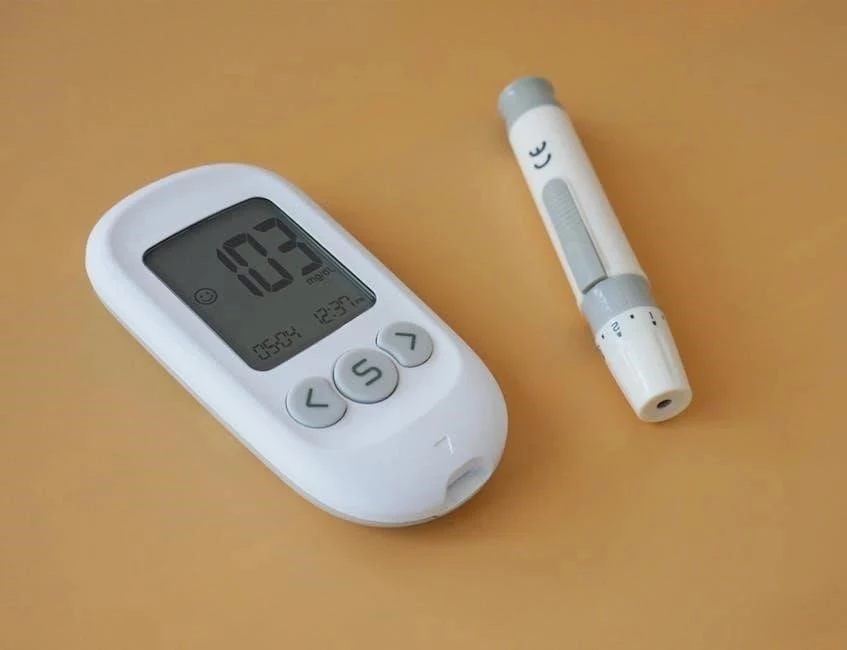
- Repeat if Necessary: If the reading is still below 70 mg/dL, repeat the 15-gram dose. Once levels are stable, provide a snack containing protein and complex carbs (like peanut butter on whole-wheat crackers) to maintain stability.
- Glucagon Readiness: For seniors at high risk, keep a Glucagon Emergency Kit or an easy-to-use nasal powder (Baqsimi) on hand. Ensure that home health aides or nearby family members are trained on how to administer it.
- Emergency Notification: If the senior does not respond to two cycles of the Rule of 15, call 911 immediately. NYC EMS is highly trained in diabetic emergencies, but they need to know the apartment number and any gate codes beforehand;
- Documentation: Record the time, the low reading, the treatment provided, and the outcome. This log is essential for the endocrinologist to adjust Diabetes Management plans during the next clinical visit.
Core Components of Comprehensive Diabetes Management
- Continuous Glucose Monitoring (CGM): Modern devices like Dexcom or FreeStyle Libre provide real-time data and can send alerts to a family member’s smartphone if the senior’s sugar drops too low, even if they live in different boroughs.
- Medication Synchronization: Use a New York-based pharmacy that offers ‘med-sync’ and blister packaging. This reduces the risk of double-dosing or missing doses of insulin or oral hypoglycemic agents.
- Nutritional Consistency: NYC’s ‘Meals on Wheels’ or ‘God’s Love We Deliver’ offer medically tailored meals for diabetics, ensuring that seniors receive the right balance of macronutrients to prevent spikes and crashes.
- Physical Activity Safety: Encourage walking within the apartment or in safe local parks like Central Park or Prospect Park, but always carry a portable glucose source and a cell phone.
- Hydration in NYC Heat: New York summers can be brutal. Dehydration affects blood sugar concentration, making it harder to manage levels. Seniors should drink water consistently, regardless of thirst.
- Routine Podiatry Care: Diabetes affects circulation; NYC seniors should have regular foot exams to prevent small cuts or blisters from turning into serious infections, a common complication of long-term diabetes.
Navigating NYC-Specific Healthcare Resources
- NY State Department of Health (DOH): Utilize the NY State DOH website for the latest guidelines on diabetic care standards and patient rights within the state.
- Medicaid MLTC Programs: Managed Long Term Care plans in New York often cover the cost of a Registered Nurse (RN) to visit the home and oversee blood sugar crisis management NYC home strategies.
- Community Health Centers: Facilities such as those run by NYC Health + Hospitals offer sliding-scale diabetes education classes that are culturally and linguistically tailored to NYC’s diverse population.
- Access-A-Ride Services: For seniors who struggle with the subway system, Access-A-Ride provides transportation to endocrinology appointments, ensuring regular check-ups aren’t missed due to mobility issues.
- HEAP Assistance: The Home Energy Assistance Program (HEAP) can help seniors manage apartment temperatures, as extreme cold or heat can cause metabolic stress and complicate Diabetes Management.
- Local Pharmacy Support: Many NYC neighborhood pharmacies provide free delivery and can act as a first line of defense by spotting changes in medication patterns or refill frequencies.
Creating an NYC Apartment Safety Plan
- Key Exchange and Access: Ensure a trusted neighbor or a nearby family member has a copy of the apartment keys. NYC buildings often have heavy, self-locking doors that can delay EMS entry during a crisis.
- Medical Alert Systems: Invest in a wearable alert button (like LifeAlert or similar) that features fall detection. Some models are specifically designed to work within the high-rise infrastructure of Manhattan and the Bronx.
- The ‘Vial of L.I.F.E.’: Keep a medical information sheet inside a plastic sleeve on the refrigerator. NYC firefighters and paramedics are trained to look for this in emergencies to identify conditions and medications.
- Service Animal Considerations: If the senior has a diabetic alert dog, ensure the building management is aware and that the dog’s needs are integrated into the emergency evacuation plan.
- Elevator Awareness: In the event of a power outage or elevator maintenance, have a plan for how the senior will receive food and medication if they cannot navigate the stairs of their building.
- Smart Home Integration: Use voice-activated assistants (like Alexa or Google Home) to set reminders for blood sugar checks or to call for help if the senior is unable to reach their phone.
Psychological Health and Diabetes Support
- Combatting Isolation: NYC can be a lonely place for seniors. Social isolation is linked to poorer diabetes outcomes. Encourage attendance at local senior centers for social interaction and shared meals.
- Caregiver Burnout Prevention: Family members managing a senior’s diabetes from a distance should utilize support groups. Organizations in NYC offer respite care and counseling for those carrying the emotional weight of caregiving.
- Diabetes Distress: Acknowledge the ‘burden’ of the disease. Constant monitoring and dietary restrictions can lead to depression, which in turn leads to poor self-care and more frequent crises.
- Peer Support Groups: Joining a local NYC diabetes support group allows seniors to share tips on the best local grocery stores for healthy options and discuss challenges specific to city living.
- Cognitive Screenings: Regular screenings for cognitive decline are essential, as early stages of dementia can significantly impair a senior’s ability to perform complex Diabetes Management tasks.
- End-of-Life Planning: Discussing healthcare proxies and living wills ensures that the senior’s wishes regarding medical interventions during a crisis are respected and documented according to New York law.
Nurse Insight: In my experience, the biggest hurdle for NYC seniors isn’t the science of diabetes, it’s the logistics of the city. I once worked with a gentleman in Queens who had a crisis every time his elevator was out of service because he would skip the grocery store. We solved this by setting up a ‘pantry stash’ of emergency glucose and shelf-stable proteins. My advice: always look beyond the glucometer and see what environmental factors in the apartment are tripping up the care plan. Living in NYC requires a specific kind of ‘street smarts’ applied to medical safety.
Frequently Asked Questions
What should I do if my elderly parent in NYC refuses to use a CGM?
Start by identifying the reason for refusal, which is often a fear of technology or privacy concerns. Offer a trial period with a professional-grade sensor that the doctor applies, or focus on the safety benefits of ‘share’ features that allow you to monitor them from your own home.
Are there NYC programs that provide free test strips?
Many New York State Medicaid plans cover 100% of testing supplies; Additionally, community health centers and some non-profit organizations offer assistance programs or ‘pharmacy closets’ for those who fall into the coverage gap.
How can I ensure EMS can get into a locked NYC apartment building?
Contact your local precinct and the building’s superintendent to discuss emergency access. You can also install a ‘lockbox’ on the apartment door or provide the building’s front desk/doorman with specific instructions for medical emergencies.
What are the best fast-acting carbs to keep in a NYC apartment?
Glucose tablets and gels are best because they have a long shelf life and don’t require refrigeration. Small boxes of apple juice or honey packets are also excellent, low-cost options that are easy for seniors with arthritis to open.
Does New York State offer home health aides specifically for diabetes?
While most aides are generalists, through Medicaid’s Consumer Directed Personal Assistance Program (CDPAP), a family member or friend can be paid to provide specific diabetes care, including monitoring and meal prep, after receiving proper training.
Contact ProLife Home Care NYC for a free clinical assessment:(718) 232 – 2777