Smart insulin pens for NYC seniors offer a vital safety net by ensuring that daily medication routines are accurately tracked and managed. Families in the Five Boroughs can feel a sense of relief knowing that their elderly loved ones have access to technology that prevents dangerous dosing errors. These devices simplify the complexities of chronic care, allowing seniors to maintain their independence while living at home. By integrating digital tracking into daily life, we provide our aging population with the modern tools they deserve for a healthier future.
Clinical Quick Answer
Smart insulin pens are advanced delivery devices that use Bluetooth technology to automatically log the time, date, and dosage of every insulin injection directly to a smartphone app; For elderly patients in New York, these tools are an essential component of modern Diabetes Management, effectively reducing the risks of insulin stacking and missed doses. By providing real-time data to both caregivers and physicians, smart pens facilitate more precise clinical adjustments and improved glycemic control.
Evolution of Insulin Delivery: Why Smart Pens Matter for NYC Seniors
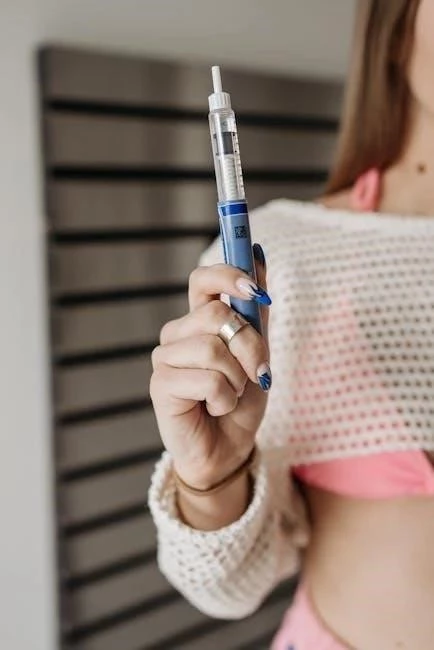
For decades, seniors managing diabetes relied on manual logging, which is often difficult for those with visual impairments or cognitive decline. Smart insulin pens represent a transformative shift in home care. These devices are reusable injectors that look and feel like standard insulin pens but contain a sophisticated computer chip in the cap or body. For an elderly resident in Manhattan or Brooklyn, this technology eliminates the need for paper journals that are easily lost or incorrectly filled out.
- Automatic Dose Logging: Every unit of insulin delivered is recorded with a timestamp, ensuring an accurate history of medication adherence.
- Dose Calculators: Many smart pen apps include bolus calculators that help seniors determine the correct amount of insulin based on current blood sugar levels and carbohydrate intake.
- Memory Function: The pen itself often displays the time and amount of the last dose directly on a small screen, providing immediate reassurance to the user.
- Integration with Health Ecosystems: Data can be shared instantly with NYC-based endocrinologists, allowing for telehealth consultations backed by hard data.
Enhancing Safety in the Home Care Setting
Safety is the paramount concern when treating elderly patients with insulin, as the risk of hypoglycemia (dangerously low blood sugar) is significantly higher in the geriatric population. In the context of NYC home care, where a patient might have multiple caregivers or family members assisting them, the risk of “insulin stacking”-taking a second dose too soon because the first was forgotten-is a major clinical hazard.
- Hypoglycemia Prevention: By tracking “insulin on board,” the smart pen app warns the user if they are attempting to inject too soon after a previous dose.
- Missed Dose Alerts: If a scheduled dose (such as long-acting basal insulin) is not detected by a certain time, the app can send notifications to the senior and their designated emergency contacts.
- Temperature Monitoring: Some smart pen caps monitor the temperature of the insulin, alerting the user if the medication has been exposed to extreme heat or cold, which is common during NYC summer heatwaves.
- Reduced Hospitalizations: Better tracking leads to fewer emergency room visits for diabetic ketoacidosis (DKA) or severe hypoglycemic episodes, which are common causes of hospital admission for NYC seniors.
The Role of Smart Insulin Pens for NYC Seniors and CGMs
The most effective strategy for managing diabetes in the modern era involves the “Connected Care” model, where the smart insulin pen works in tandem with a Continuous Glucose Monitor (CGM). This combination provides a 360-degree view of the patient’s metabolic health. For seniors living at home, this means that every action (insulin injection) is immediately visible alongside the reaction (change in blood glucose levels).
- Correlation Data: Doctors can see exactly how a 5-unit dose of fast-acting insulin affected the senior’s blood sugar after a meal at a local NYC diner.
- Pattern Recognition: The software can identify trends, such as consistent morning highs or afternoon dips, and suggest adjustments to the insulin-to-carb ratio.
- Simplified Reporting: Instead of bringing a bag of devices to an appointment, the senior can simply “share” their digital report with their provider at Mount Sinai or NYU Langone.
- Empowerment: Seeing the direct impact of their medication helps seniors understand their condition better, leading to higher rates of treatment adherence.
Overcoming Technology Barriers for the Elderly Population
A common misconception is that NYC seniors are unable or unwilling to use “high-tech” medical devices. However, smart insulin pens are designed with geriatric usability in mind. The goal of these devices is to reduce the cognitive load on the patient, not increase it. For those with arthritis or limited dexterity, the ergonomic design of many smart pens is actually superior to traditional disposable pens.
- Large Displays: Many pens feature high-contrast, large-font screens that are easy to read even for those with age-related macular degeneration.
- Low-Force Injection: The mechanical design often requires less thumb pressure to trigger the injection, which is beneficial for patients with hand weakness.
- Passive Syncing: Most devices use “passive syncing,” meaning the senior doesn’t have to do anything special to transfer the data; it happens automatically when the pen is near their phone.
- Family Support: For seniors who are not tech-savvy, a family member living in another borough can manage the app setup and monitoring, while the senior only needs to worry about the physical injection.
Clinical Impact on Long-Term Health Outcomes
From a clinical perspective, the use of smart insulin pens in NYC home care patients has shown a direct correlation with improved Hemoglobin A1C levels. A1C is a three-month average of blood sugar levels, and maintaining it within a target range is essential for preventing complications like neuropathy, retinopathy, and kidney failure. The precision offered by digital tracking allows for “micro-adjustments” to the treatment plan that are impossible with manual logging.
- Data-Driven Titration: Physicians can confidently adjust insulin doses because they know the data they are reviewing is 100% accurate and complete.
- Improved Time in Range (TIR): Patients using smart pens often spend more hours of the day within their target glucose range, which is a key metric for long-term health.
- Behavioral Reinforcement: The immediate feedback provided by the digital log serves as a positive reinforcement for seniors who are working hard to manage their health.
- Better Informed Caregivers: In NYC’s CDPAP program, family caregivers can use the digital logs to provide better daily support and more accurate updates to visiting nurses.
Navigating Insurance and Accessibility in New York City
Accessing smart insulin pen technology in New York requires navigating the intersection of medical necessity and insurance coverage. While these devices were once considered “luxury” items, they are increasingly recognized by NYC Medicaid and Medicare as essential tools for patients with complex insulin regimens or a history of poor glycemic control.
- Prescription Requirements: To obtain a smart pen, a senior must have a prescription from their doctor that specifies the need for digital tracking and dose memory.
- Medicaid Managed Care: Most NYC Medicaid Managed Long Term Care (MLTC) plans cover smart pens if the physician provides documentation of “medical necessity,” such as frequent hypoglycemia.
- Manufacturer Assistance Programs: For seniors who may have a high copay, many manufacturers offer savings cards that can reduce the cost to as little as $0 or $25 per month.
- Local Pharmacy Coordination: NYC has a dense network of specialized pharmacies that can help seniors and their families coordinate the delivery and setup of these devices.
Nurse Insight: In my experience working with seniors across all five boroughs, the primary hurdle isn’t the technology itself-it’s the initial setup. I have seen many patients who were terrified of “breaking” the device, but once we walked through the Bluetooth pairing together, they realized it actually made their life easier. I always tell my patients in NYC home care: “The pen is your memory.” If you have a busy day and can’t remember if you took your insulin before lunch, you don’t have to guess. Just look at the pen. That peace of mind reduces cortisol and stress, which in itself helps manage blood sugar levels.
Frequently Asked Questions
Are smart insulin pens covered by NYC Medicaid?
Do smart pens work with all types of insulin?
What if the senior does not have a smartphone?
Can these devices prevent an accidental overdose?
How long do the batteries in smart insulin pens last?
Contact ProLife Home Care NYC for a free clinical assessment:(718) 232 – 2777
Contact ProLife Home Care NYC for a free clinical assessment: (718) 232-2777