As a Senior NYC Nurse, I have seen firsthand how the right clinical support at home can transform a family’s quality of life during difficult health transitions. In the quiet lofts of Tribeca, maintaining dignity and privacy is just as important as the medical care we provide to your aging loved ones. My goal is to ensure your family feels supported, informed, and confident that every clinical detail is being managed by an expert eye. We treat your home with the utmost respect, integrating professional nursing seamlessly into the fabric of your daily life.
Clinical Quick Answer
Discrete private nursing for seniors in Tribeca provides specialized medical interventions, including wound care, IV therapy, and chronic disease management, within the privacy of a patient’s residence. These services are delivered by licensed Registered Nurses (RNs) or Licensed Practical Nurses (LPNs) who focus on clinical outcomes and patient safety. By choosing professional Manhattan Home Care, families ensure their loved ones receive hospital-grade medical attention without the need for institutionalization.
Specialized Clinical Protocols for Senior Care Tribeca NYC
When dealing with the health of seniors in a high-density urban environment like Tribeca, the clinical protocols must be rigorous yet adaptable to the home setting. Manhattan Home Care involves more than just observation; it requires active medical management that anticipates potential complications before they become emergencies. Our approach is rooted in evidence-based practice, ensuring that every intervention-from blood pressure monitoring to neurological checks-is performed with precision.
- Detailed initial assessments covering physical, cognitive, and psychosocial health metrics.
- Development of a customized Plan of Care (POC) that aligns with the primary physician's orders.
- Continuous monitoring of vital signs and oxygen saturation levels for patients with cardiopulmonary conditions.
- Implementation of fall prevention strategies specifically tailored to the unique layouts of Tribeca loft apartments.
- Regular interdisciplinary team meetings to adjust care strategies as the patient's condition evolves.
- Coordination of diagnostic testing, such as mobile X-rays or phlebotomy, within the home.
Advanced Medication Management and Safety
Polypharmacy is a significant risk for seniors, often leading to adverse drug reactions or hospital readmissions. Expert nursing care focuses on the meticulous management of complex medication schedules, ensuring that all prescriptions from various specialists are reconciled and administered safely. We use clinical software to track dosages and potential interactions, providing an extra layer of safety that standard care cannot offer.
- Professional medication reconciliation to eliminate therapeutic duplication or contraindications.
- Administration of injectable medications and management of subcutaneous infusion pumps.
- Care and maintenance of PICC lines, central lines, and peripheral IV access for long-term antibiotics or hydration.
- Monitoring for side effects and efficacy of high-risk medications like anticoagulants or insulin.
- Education for family members on the purpose and potential risks associated with new prescriptions.
- Direct communication with pharmacies to ensure timely refills and availability of specialized compounds.
Post-Surgical and Acute Recovery Care
Recovering from a major surgery-such as a hip replacement or cardiac procedure-requires intensive nursing oversight that goes beyond basic assistance. For seniors in Tribeca, the transition from the hospital to the home is a critical period where infection control and physical rehabilitation must be prioritized. Our nurses are trained in surgical site management and early mobilization techniques to speed up recovery and prevent secondary complications like deep vein thrombosis (DVT).
- Sterile wound dressing changes and monitoring for signs of localized or systemic infection.
- Management of surgical drains, catheters, and ostomy care with clinical precision.
- Pain management protocols that balance comfort with the need for alertness and respiratory safety.
- Collaboration with physical and occupational therapists to ensure exercises are performed correctly.
- Nutritional support to promote tissue healing and boost the immune system during the recovery phase.
- Scheduled reporting to the surgeon's office regarding progress and any red-flag symptoms.
Chronic Disease Management and Palliative Support
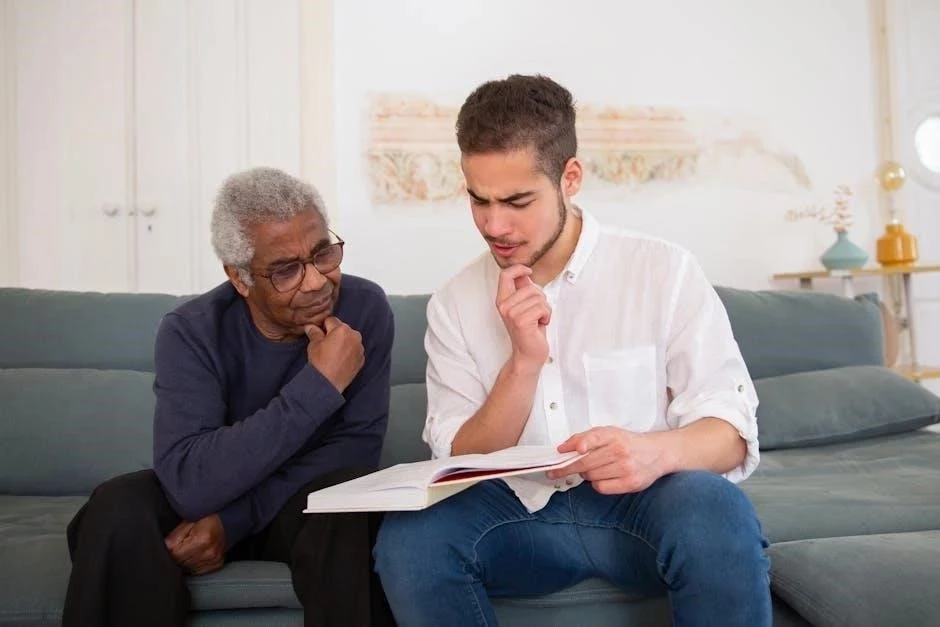
Managing chronic conditions like Congestive Heart Failure (CHF), COPD, or advanced diabetes requires a nurse who understands the subtle signs of exacerbation. In the realm of Senior care Tribeca NYC, we provide the high-level clinical surveillance necessary to keep patients stable and out of the emergency room. For those facing end-of-life or terminal illnesses, our nurses provide compassionate palliative care that focuses on symptom management and quality of life.
- Daily weight monitoring and edema assessment for patients with heart failure.
- Respiratory therapy support, including nebulizer treatments and supplemental oxygen titration.
- Glucose monitoring and complex sliding-scale insulin administration for diabetic patients.
- End-of-life comfort care, focusing on the management of dyspnea, pain, and anxiety.
- Psychosocial support for the patient and family, navigating the complexities of chronic illness.
- Adherence to Advanced Directives and POLST forms to ensure the patient’s wishes are respected.
Neurological and Dementia-Specific Nursing Care
Cognitive decline presents unique challenges that require a specialized nursing approach. Manhattan Home Care for patients with Alzheimer's or Parkinson's disease focuses on maintaining a safe, calm environment while managing the behavioral and physical symptoms associated with these disorders. Our nurses are trained in de-escalation techniques and cognitive stimulation to help preserve function for as long as possible.
- Implementation of structured daily routines to reduce sundocking and agitation.
- Management of neurological medications and monitoring for tremors or gait changes.
- Safety environmental audits to prevent wandering and minimize sensory overload.
- Nutritional interventions for patients with dysphagia or those who forget to eat.
- Caregiver training on communication strategies and behavioral management.
- Regular cognitive assessments to track the progression of the disease and adjust care accordingly.
Coordinating Care within the NYC Medical Ecosystem
Navigating the healthcare system in Manhattan can be overwhelming, even for the most organized families. A private nurse serves as a clinical advocate, ensuring that information flows seamlessly between the patient's home and their various medical providers. By maintaining a professional presence, we ensure that the high standards of NYC's top medical institutions are upheld in the home setting. For more information on state regulations, you can visit the NY State DOH website.
- Accompanying patients to specialist appointments to provide clinical history and record new orders.
- Facilitating transitions of care from hospitals or rehabilitation centers back to the Tribeca home.
- Maintaining an up-to-date digital health record that is accessible to the patient's authorized physicians;
- Advocating for the patient's needs during insurance reviews or hospital stays.
- Collaborating with geriatric care managers to ensure a holistic approach to aging.
- Providing peace of mind to out-of-state family members through detailed clinical updates and regular communication.
Nurse Insight: In my experience, the most successful home care outcomes in Tribeca happen when we treat the medical side as ‘invisible infrastructure.’ We provide the highest level of clinical care-IVs, wound vacs, complex meds-but we do it in a way that doesn’t make your home feel like a hospital ward. Discretion isn’t just about privacy; it’s about preserving the patient’s identity and sense of normalcy while we handle the heavy lifting of their health needs.
Frequently Asked Questions
What is the difference between an HHA and a Private Duty Nurse?
A Home Health Aide (HHA) assists with non-medical tasks like bathing and light housekeeping. A Private Duty Nurse is a licensed RN or LPN who performs clinical tasks such as administering medication, managing medical equipment, and performing physical assessments.
Can nursing care be provided in a Tribeca loft or high-rise?
Yes, our services are specifically designed for the Tribeca environment. We adapt our clinical setups to work within the layout of your home, ensuring that all necessary medical equipment is used safely and discreetly.
How quickly can Manhattan Home Care services be initiated?
In many cases, we can begin an assessment within 24 to 48 hours. For urgent post-hospital discharges, we work closely with discharge planners to ensure care is ready the moment the patient arrives home.
Are the nurses experienced with high-end concierge standards?
Absolutely. Our nurses are selected not only for their clinical expertise but also for their professionalism and ability to work within private, high-profile households where discretion is paramount.
Does insurance cover private-duty nursing for seniors in NYC?
While standard Medicare often has limitations on long-term private nursing, many long-term care insurance policies and certain private health plans do provide coverage. We can help you review your policy to understand your benefits.
Contact ProLife Home Care NYC for a free clinical assessment:(718) 232 – 2777
Contact ProLife Home Care NYC for a free clinical assessment: (718) 232-2777