As a senior registered nurse with decades of experience in the New York City healthcare system, I have witnessed the complexities involved in transitioning patients from acute care facilities like Kingsbrook Jewish Medical Center back to their residences in East Flatbush. This neighborhood requires a specialized approach that respects the diverse cultural landscape while addressing the high prevalence of chronic conditions that often lead to hospitalization. My role has always been to bridge the gap between hospital-based medical intervention and the daily reality of home-based recovery to ensure no patient falls through the cracks of the NYC medical infrastructure.
East Flatbush support for Kingsbrook Jewish Medical Center home nursing involves a coordinated effort to provide skilled clinical care and personal assistance to patients returning home. This support is primarily delivered through professional nursing visits and the Brooklyn CDPAP program, which allows residents to receive care from family members or trusted friends. By combining medical oversight with culturally competent personal care, the program aims to reduce hospital readmissions and improve long-term health outcomes in the Brooklyn community.
From a clinical RN perspective, the most significant risk during a discharge from Kingsbrook Jewish Medical Center is the fragmentation of care that occurs during the first seventy-two hours. In East Flatbush, many patients are managing polypharmacy-multiple medications for complex conditions like congestive heart failure and diabetes-and the transition often results in dosage errors or missed prescriptions. A common mistake families make is waiting until they are home to arrange for Brooklyn CDPAP or home nursing; these services must be initiated while the patient is still in the hospital to ensure that equipment, such as oxygen or hospital beds, and skilled nursing staff are ready the moment the patient crosses their threshold.
The Critical Importance of Specialized Discharge Support in East Flatbush
The transition from an acute care setting like Kingsbrook Jewish Medical Center to a home environment in East Flatbush is a pivotal moment in a patient’s recovery journey. This specific geographical area presents unique challenges and opportunities within the NYC healthcare framework. Kingsbrook Jewish Medical Center has long been a pillar of the Brooklyn medical community, serving a population that often presents with complex, interrelated health issues. When these patients are discharged, they are not just leaving a building; they are moving from a highly controlled clinical environment to a dynamic home setting where they must manage their own health. Specialized support is necessary because the standard discharge instructions provided in a hospital are often insufficient for the realities of life in a busy Brooklyn neighborhood. Home nursing services must be tailored to the specific socioeconomic and cultural nuances of East Flatbush to be truly effective.
- Clinical Oversight: Professional nurses provide the necessary monitoring of vital signs and wound healing that family members may not be trained to handle.
- Medication Reconciliation: A critical step where the nurse compares the hospital's new orders with the patient's existing home medications to prevent dangerous interactions.
- Patient Education: Teaching the patient and their family how to recognize “red flag” symptoms that require a call to the doctor versus an emergency room visit.
- Resource Coordination: Linking patients with local East Flatbush pharmacies, medical supply stores, and community centers that support recovery.
- Environmental Assessments: Evaluating the home for trip hazards, proper lighting, and the necessary space for medical equipment like walkers or wheelchairs.
Maximizing Recovery with Brooklyn CDPAP Services
One of the most transformative elements of the NYC healthcare system is the Consumer Directed Personal Assistance Program, commonly known as CDPAP. For residents of East Flatbush returning from Kingsbrook Jewish Medical Center, Brooklyn CDPAP offers a level of comfort and continuity that traditional home care often lacks. This program empowers the patient to choose their own caregiver, which can be a daughter, a son, a neighbor, or a friend. In a community as tightly knit as East Flatbush, having a familiar face provide personal care-such as bathing, dressing, and meal preparation-can significantly reduce the stress and anxiety associated with post-hospital recovery. Furthermore, the CDPAP model is particularly effective for those who may face language barriers or have specific cultural preferences regarding their personal care. It allows the caregiver to be compensated for their time, which often alleviates the financial strain on families who would otherwise have to take unpaid leave from work to care for a loved one.
- Choice and Autonomy: Patients have the right to recruit, hire, and supervise the person who provides their daily care.
- Cultural Competence: Care is provided by someone who understands the patient’s language, dietary traditions, and personal boundaries.
- Consistency of Care: Unlike agency-assigned aides who may change frequently, a CDPAP caregiver remains consistent, building deep trust.
- Flexible Scheduling: Care can be scheduled around the patient’s actual needs rather than an agency’s rigid shift blocks.
- Enhanced Compliance: Patients are more likely to follow a recovery plan when encouraged by someone they already know and love.
Addressing Chronic Disease Management Post-Discharge
Kingsbrook Jewish Medical Center frequently treats patients for chronic conditions such as hypertension, diabetes, and respiratory diseases. When these individuals return to East Flatbush, the management of these conditions becomes the primary focus of home nursing. The “revolving door” of hospital readmission is often caused by a failure to manage these chronic issues effectively in a home setting. A specialized home nursing plan involves not just reactive care, but proactive health management. For example, a nurse visiting a patient in East Flatbush will not only check blood sugar levels but will also inspect the refrigerator to ensure the patient has access to the low-sodium or low-sugar foods required for their condition. They work closely with the patient’s primary care physician in Brooklyn to adjust treatment plans in real-time based on the patient’s progress or setbacks at home.
- Diabetes Management: Specialized foot care, insulin administration training, and glucose monitoring to prevent ketoacidosis or hypoglycemia.
- Cardiac Care: Monitoring for fluid retention and ensuring strict adherence to “water pill” schedules and low-salt diets.
- Respiratory Therapy: Ensuring oxygen tanks are used correctly and that nebulizer treatments are administered on schedule.
- Stroke Rehabilitation: Working alongside physical and occupational therapists to help the patient regain independence in their own kitchen and bathroom.
- Pain Management: Carefully monitoring the use of opioids or other painkillers to prevent misuse while ensuring the patient is comfortable enough to participate in therapy.
The Role of Managed Long-Term Care (MLTC) in Brooklyn
Navigating the insurance landscape in New York City is one of the most daunting tasks for families in East Flatbush. Most patients requiring long-term home nursing or CDPAP after a stay at Kingsbrook Jewish Medical Center will need to be enrolled in a Managed Long-Term Care (MLTC) plan. These plans are responsible for authorizing the hours of care and the specific services a patient receives. Understanding how to interact with MLTC coordinators is essential for ensuring the patient receives the maximum benefit they are entitled to under New York State law. Professional home nursing agencies often act as advocates for the patient, providing the necessary clinical documentation to the MLTC to justify an increase in hours or the addition of specialized services like physical therapy. This advocacy is crucial in a system where administrative hurdles can often delay the delivery of vital care.
- Initial Assessment: Coordination with the New York Independent Assessor (NYIA) to determine the patient’s eligibility for home care hours.
- Plan of Care Development: Collaborating with the MLTC nurse to create a comprehensive strategy that covers both medical and personal needs.
- Re-evaluations: Ensuring that as a patient’s condition changes, their care hours are adjusted accordingly to prevent a decline in health.
- Authorization Advocacy: Helping families secure approval for medical supplies, transportation to follow-up appointments, and specialty nursing.
- Conflict Resolution: Acting as a liaison between the family and the insurance provider when there are disagreements about the level of care required.
Practical Steps for a Successful Home Transition
To ensure a safe return to East Flatbush from Kingsbrook Jewish Medical Center, families must be proactive. The process should ideally begin several days before the anticipated discharge date. Waiting until the day of discharge often leads to a chaotic transition where medications are forgotten, transportation is delayed, and the home is not properly prepared. The first step is always communication; the family should meet with the hospital social worker or discharge planner to express their desire for home nursing and to explore Brooklyn CDPAP options. It is also vital to have a clear understanding of the “Home Care 48-Hour Rule,” which states that a nurse should ideally conduct an initial assessment within two days of the patient arriving home. This visit sets the tone for the entire recovery period and is the best defense against unforeseen complications.
- Discharge Summary Review: Request a hard copy of the discharge summary and a complete list of new medications before leaving the hospital.
- Pharmacy Coordination: Ensure the local East Flatbush pharmacy has received the electronic prescriptions and can deliver them if necessary.
- Home Setup: Arrange furniture to create clear pathways for mobility aids and install grab bars in the bathroom if recommended by the PT.
- Caregiver Preparation: If using CDPAP, ensure the chosen caregiver is enrolled with a fiscal intermediary and understands their daily responsibilities.
- Follow-up Appointments: Confirm that all follow-up visits with Brooklyn-based specialists are scheduled and that transportation is arranged.
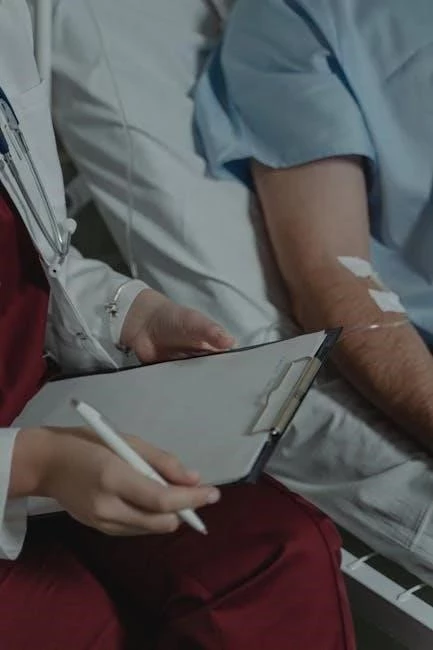
The Synergy of Professional Nursing and Family-Led Care
The most successful health outcomes in East Flatbush occur when there is a synergy between professional home nursing and the daily support provided through Brooklyn CDPAP. The RN brings the clinical expertise, diagnostic skills, and the ability to perform complex medical tasks, while the CDPAP caregiver provides the constant, hourly support that a visiting nurse cannot. This partnership creates a safety net for the patient. For instance, the CDPAP caregiver might notice a slight change in the patient’s mental clarity or a new swelling in their ankles-subtle signs that a family member who knows the patient well is likely to catch first. They can then immediately alert the home nursing team, who can intervene before the situation escalates into a medical emergency. This collaborative model is the gold standard for care in NYC, as it leverages both professional skill and the power of family bonds to foster a healing environment.
- Daily Observation: The CDPAP aide acts as the “eyes and ears” for the RN between visits.
- Emergency Response: Caregivers are trained by the nursing team on what to do in an emergency, including CPR and basic first aid.
- Emotional Support: Combating the isolation and depression that often follows a long hospital stay at Kingsbrook.
- Nutritional Oversight: Ensuring the patient follows the specific diet prescribed by the hospital, which is vital for recovery.
- Hygiene and Skin Integrity: Preventing bedsores and infections through regular turning, positioning, and cleaning of the patient.
Choosing ProLife Home Care ensures that your transition from Kingsbrook Jewish Medical Center is managed with the highest level of clinical expertise and personal attention. Our team specializes in coordinating home care services in Brooklyn, providing a seamless link between hospital discharge and home-based recovery. We are dedicated to supporting East Flatbush families through professional nursing and the Brooklyn CDPAP program to achieve the best possible health outcomes.
Service | What It Includes | Why It MattersSkilled Home Nursing | Clinical assessments, wound care, and med management | Reduces readmission risks and ensures medical stability.
Brooklyn CDPAP | Patient-directed personal care by family or friends | Improves patient comfort and ensures cultural needs are met.
Discharge Coordination | Transition planning from Kingsbrook to East Flatbush | Prevents gaps in care during the most vulnerable recovery period.Contact ProLife Home Care NYC for a free clinical assessment:(718) 232 – 2777
Frequently Asked Questions
How do I start home nursing after a stay at Kingsbrook Jewish Medical Center?
You should speak with the discharge planner at Kingsbrook at least 48 hours before leaving to request a referral for home nursing and begin the assessment process.
Can a family member in East Flatbush get paid to care for me via Brooklyn CDPAP?
Yes, through the CDPAP program, eligible residents can hire family members (except spouses or legal guardians for minors) to provide their personal care.
What specific health risks are common for East Flatbush patients post-discharge?
High risks include medication errors, falls due to home obstacles, and complications from chronic conditions like diabetes or heart failure if not monitored properly.
Is professional nursing required if I already have a CDPAP caregiver?
While CDPAP covers personal care, skilled nursing is often necessary for medical tasks like wound care, injections, or clinical monitoring that an aide is not licensed to perform.
How long does it take for home care services to begin in Brooklyn?
If coordinated properly during the discharge from Kingsbrook, services can often begin within 24 to 48 hours of the patient returning to their East Flatbush home.
Contact ProLife Home Care NYC for a free clinical assessment: (718) 232-2777