As clinical professionals operating in the dense, unique urban environment of New York City, we understand that emergency preparedness for seniors goes beyond having a flashlight and a bottle of water. For geriatric patients—particularly those with chronic conditions, mobility limitations, or cognitive impairments—an emergency situation requires a clinically sound, pre-emptive strategy. From unexpected power outages in high-rise apartments to severe weather events impacting medical supply chains, the safety of our patients depends on rigorous preparation. This guide provides a nursing-standard framework for securing the home environment and ensuring continuity of care during crises.
- Clinical Continuity: Emergency plans must prioritize the preservation of medication integrity (specifically insulin and oxygen) and the maintenance of life-sustaining equipment during NYC power grid failures.
- Mobility Triage: Evacuation protocols must account for “vertical challenges” common in NYC architecture, such as elevator outages in high-rise buildings, ensuring safe transport for bedbound or wheelchair-dependent seniors.
- Information Accessibility: Immediate access to current medical history, medication lists (MAR), and Health Care Proxy documentation is critical for EMS and ER personnel to prevent adverse drug interactions during triage.

The Unique Clinical Landscape of Emergency Care in NYC
New York City presents a specific set of variables that complicate home care during emergencies. Unlike suburban environments where egress is often at street level, many of our patients reside in multi-story apartment complexes. A power outage in NYC is not merely an inconvenience; for a senior living on the 14th floor with heart failure or COPD, a non-functional elevator creates an immediate barrier to medical access.
Furthermore, the density of the city impacts emergency response times. During events like hurricanes, heat waves, or blizzards, the EMS system can become overwhelmed. As Registered Nurses, we advocate for a “shelter-in-place” capability of at least 72 to 96 hours. This requires a shift in mindset from reactive to proactive clinical management. We must assess the home not just for daily comfort, but for its resilience as a temporary care facility when external infrastructure fails;
Phase 1: The Clinical Triage Assessment
Before purchasing supplies, families must conduct a triage assessment of the senior’s medical baseline. This determines the level of support required during an infrastructure failure.
Respiratory and Electrical Dependency
Patients reliant on oxygen concentrators, CPAP machines, or nebulizers are at the highest risk during electrical failures.
- Battery Backup: Verify the battery life of portable oxygen concentrators. Clinical best practice suggests having enough battery power for 24 hours of usage.
- Utility Notification: In NYC, vulnerable seniors should be registered with Con Edison as “life-sustaining equipment customers.” This flags the residence for priority restoration and alerts during outages.
- Manual Alternatives: Ensure a backup supply of compressed oxygen tanks (E-cylinders) is available in case electric concentrators fail.
Mobility and Egress Assessment
Evaluate the patient’s ability to evacuate without an elevator.
- Stair Chair Readiness: If a patient is wheelchair-bound, identify neighbors or building staff willing to assist with carrying a specialized stair chair or manual wheelchair.
- Walking Aids: Ensure canes and walkers are kept in the same location daily so they can be located in the dark.
Phase 2: Medication Continuity Protocols
Disruption in medication adherence is a leading cause of hospitalization following disasters. For seniors with hypertension, diabetes, or heart disease, missing doses can precipitate a crisis within 24 hours.
The “7-Day Buffer” Rule
We recommend maintaining a minimum 7-day surplus of all chronic maintenance medications. Supply chains in NYC can be disrupted, and pharmacies may close.
Thermoregulation of Pharmaceuticals
Many medications, specifically insulin and certain biologics, lose potency if exposed to extreme heat (common in NYC summers without AC) or freezing temperatures.
- Insulin Storage: Utilize cool-packs or Frio wallets that are activated by water rather than requiring electricity/freezing, as freezers will thaw during prolonged blackouts.
- Room Temperature Meds: Store pills in a cool, dry place away from windows. High humidity in NYC apartments can degrade tablet integrity.
The Current Medication Administration Record (MAR)
Paramedics often arrive at a chaotic scene. A printed, up-to-date list of medications (dosages, frequency, and prescribing physician) must be taped to the refrigerator or kept in the “Go-Bag.” This prevents medication errors during transfer of care.
Phase 3: The “Go-Bag” vs. The “Stay-Bin”
Clinical preparedness requires two distinct kits: one for rapid evacuation (The Go-Bag) and one for sheltering in place (The Stay-Bin).
The Clinical “Go-Bag” (Evacuation)
This should be a backpack or rolling case, manageable by the senior or a single caregiver.
- Documentation: Copies of insurance cards, ID, Health Care Proxy, DNR/MOLST forms, and a list of allergies.
- Medication: The 3-7 day supply discussed above.
- Sensory Aids: Spare glasses and hearing aid batteries. A confused senior without sensory input is at high risk for falls and delirium.
- Hygiene: Adult briefs (diapers), wipes, and hand sanitizer. Incontinence management is vital to prevent skin breakdown during transport.
- Nutrition: High-protein bars and water bottles (small, to reduce weight).
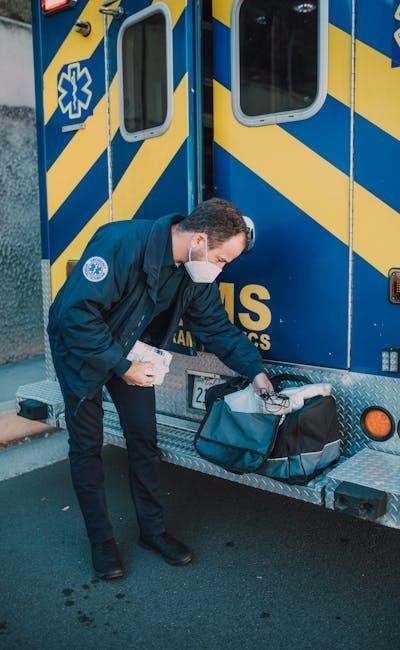
The “Stay-Bin” (Shelter-in-Place)
This is for scenarios where the senior is trapped in the apartment due to weather or elevator failure.
- Water Reserve: One gallon of water per person, per day, for at least 3 days. Dehydration in seniors leads rapidly to confusion, UTIs, and hypotension.
- Non-Perishable Food: Low-sodium canned goods (tuna, beans, vegetables) suitable for cardiac diets. Ensure a manual can opener is present.
- Climate Control: Battery-operated fans for heat waves; mylar thermal blankets for winter outages. Seniors lack efficient thermoregulation and are susceptible to heat stroke and hypothermia.
- Sanitation: If water pressure fails in high-rises, you need a bucket and heavy-duty bags for waste disposal to maintain infection control standards.
Special Considerations for Cognitive Impairment
Seniors with Alzheimer’s or dementia are particularly vulnerable to “transfer trauma”—the intense stress caused by moving environments or disrupting routines.
- Identification: The senior should wear a MedicAlert bracelet. In the chaos of an evacuation, separation from caregivers is a real risk.
- Comfort Items: Include a familiar object (pillow, photo album) in the Go-Bag to reduce agitation.
- Visual Cues: If sheltering in place, use flashlights to illuminate the path to the bathroom to prevent falls and sundowning-related confusion. Safety Evaluation
Phase 4: The Communication Tree
Isolation is a clinical risk factor. A solid communication plan ensures the patient remains on the “radar” of medical professionals and family.
- Hard Copy Contacts: Cell phones die. A written list of phone numbers (doctors, family, ProLife Home Care, pharmacy) is essential.
- The “I’m OK” System: Establish a protocol with a neighbor or building superintendent to check on the senior if phone lines are down.
- Notify NYC: Sign up for the official NYC emergency alert system to receive localized updates regarding water safety, power, and weather.
At ProLife Home Care, our registered nurses emphasize that preparation reduces panic. Panic triggers cortisol spikes, increases blood pressure, and increases fall risk. By systematically addressing these clinical checklists, we create a safety net that protects our seniors’ health even when the city’s infrastructure faces challenges.
Frequently Asked Questions About Senior Emergency Preparedness
Ensure your loved ones are prepared for any situation with professional home care support.
Call ProLife Home Care NYC: (718) 232-2777
Call Now
Contact ProLife Home Care NYC for a free clinical assessment:(718) 232 – 2777