Watching a parent or grandparent struggle with daily tasks is one of the most difficult experiences a family in El Barrio can face. As a Senior NYC Nurse, I have walked alongside hundreds of families navigating the complex intersection of aging and community health. Finding the right home care East Harlem services is not just a logistical hurdle; it is a vital step in honoring our elders’ desire to age with dignity in the neighborhood they built. Our mission is to ensure that every senior in Upper Manhattan has access to the clinical support and financial guidance necessary to remain safe and supported in their own home.
Clinical Quick Answer
Accessing home care in East Harlem involves a dual-track process of establishing clinical necessity through the New York Independent Assessor (NYIA) and financial eligibility through the NYC Human Resources Administration (HRA). Residents who exceed standard income limits can often qualify by utilizing a Medicaid Spend Down, which functions like a monthly insurance deductible. By coordinating with local agencies and leveraging programs like CDPAP, seniors can receive personalized medical and personal care while remaining in their familiar home environments.
Understanding the East Harlem Senior Care Landscape
East Harlem, historically known as El Barrio, is a vibrant community with a rich cultural tapestry, but it also faces significant public health challenges. The senior population in this area often experiences higher rates of chronic conditions such as hypertension, type 2 diabetes, and cardiovascular disease compared to other parts of Manhattan. These clinical realities necessitate a specialized approach to home care that is both culturally sensitive and medically rigorous.
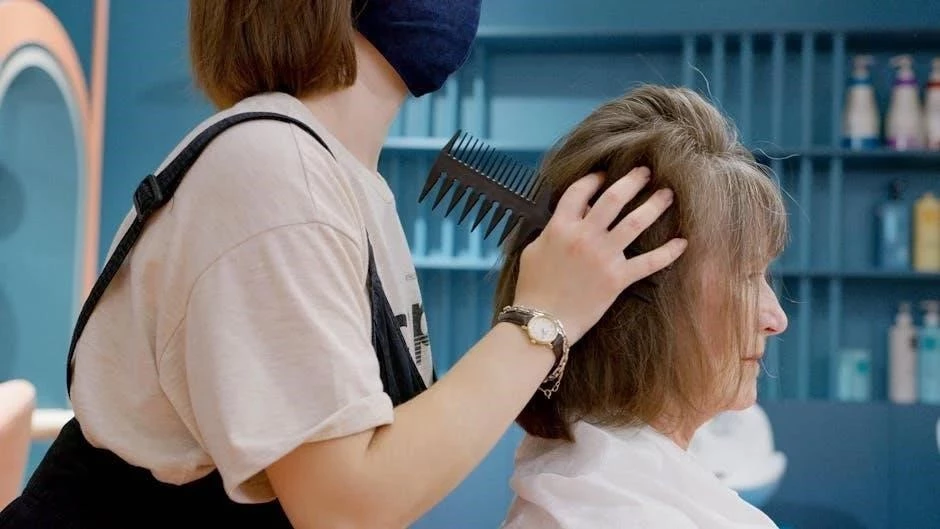
- Cultural Competence: Bilingual care is essential in East Harlem, where Spanish is a primary language for many households. HHAs who understand the local culture can better manage nutrition and medication adherence.
- Social Determinants of Health: Many seniors live in older housing stock where mobility becomes an issue. Home care agencies must assess the home environment for fall risks and accessibility.
- Community Integration: Effective home care in this region involves collaborating with local institutions like Mount Sinai Hospital and Metropolitan Hospital Center to ensure continuity of care after discharge.
- Prevalence of Aging in Place: There is a strong community preference for seniors to remain at home rather than moving to skilled nursing facilities, making the expansion of home care access a top priority for local health advocates.
Navigating the Medicaid Spend Down for NYC Residents
One of the most significant barriers to care is the financial threshold for Medicaid. Many seniors in East Harlem receive Social Security or a small pension that puts them slightly over the income limit. This is where the Medicaid Spend Down (or Surplus Income Program) becomes a critical tool for home care access.
- The Concept: The “Spend Down” is the amount of monthly income that exceeds the Medicaid limit. To receive benefits, the individual must “spend down” this surplus on medical expenses.
- Pooled Income Trusts: This is a specialized legal tool where seniors deposit their surplus income into a trust managed by a non-profit organization. The trust then pays the senior’s household bills (rent, utilities, groceries), allowing the income to be “spent” legally so Medicaid can cover the cost of home care.
- Bills as Credit: Seniors can also meet their spend down by submitting paid or unpaid medical bills, including pharmacy costs or dental work, to the HRA.
- Maintaining Eligibility: It is vital to track income changes annually, as any increase in Social Security can shift the spend-down amount and impact home care coverage.
Clinical Eligibility and the NYIA Assessment Process
To receive home care East Harlem services through Medicaid, a senior must prove that they require assistance with Activities of Daily Living (ADLs). This is determined through a standardized clinical assessment process mandated by New York State.
- The New York Independent Assessor (NYIA): Previously, individual insurance plans performed these assessments; Now, an independent state-contracted entity conducts the evaluation to ensure objective determination of needs.
- UAS-NY Assessment: The Uniform Assessment System is the tool used to document the senior’s physical and cognitive status. It looks at mobility, toileting, feeding, and the ability to manage medications.
- Physician Orders: A doctor must sign off on the clinical need for care, documenting that the patient’s condition is stable enough for home care but requires personal or nursing assistance.
- Plan of Care Development: Once approved, a Managed Long Term Care (MLTC) plan will determine the specific number of hours of care authorized per week based on the assessment results.
Types of Home Care Services Available in Upper Manhattan
Home care is not a one-size-fits-all solution. Depending on the clinical complexity of the patient, different levels of staffing may be required. In East Harlem, agencies provide a spectrum of services designed to keep seniors safe and healthy.
- Personal Care Assistants (PCA): These aides focus on non-medical support, such as help with bathing, dressing, light housekeeping, and meal preparation.
- Home Health Aides (HHA): HHAs have slightly more training and can assist with tasks like taking vital signs and simple dressing changes, under the supervision of a Registered Nurse.
- Skilled Nursing Care: For patients with complex needs like tracheostomy care, IV therapy, or advanced wound management, a Registered Nurse (RN) or Licensed Practical Nurse (LPN) may be required.
- CDPAP: The Consumer Directed Personal Assistance Program allows the senior to act as the employer, choosing their own caregiver, which often improves the quality of life by maintaining existing family bonds.
Integrating Family Support and Professional Care
In many East Harlem families, caregiving is seen as a familial duty. However, the physical and emotional toll on family members can lead to burnout. Integrating professional home care East Harlem services is about augmenting family support, not replacing it.
- Respite for Caregivers: Professional aides allow family members to work, attend to their own health, and rest, knowing their loved one is in safe hands.
- Training and Education: Professional nurses can teach family members how to properly move a patient to prevent bedsores or how to identify signs of infection early.
- Emotional Wellbeing: Having an outsider in the home can sometimes bridge communication gaps and provide social stimulation for the senior, reducing the isolation that often accompanies aging.
- Coordination of Care: Agencies often provide social workers who can help families navigate the NY State DOH regulations and find additional community resources like food pantries or senior centers.
Overcoming Barriers to Quality Senior Care
While the path to securing home care can be daunting, understanding the common pitfalls can help families in East Harlem succeed. The key is proactive planning and utilization of available advocacy groups.
- Application Errors: Many Medicaid applications are denied due to missing documentation or incorrectly reported assets. Ensuring all bank statements and proof of residency are in order is essential.
- Language Access: Families have the right to translation services throughout the Medicaid application and clinical assessment process. Never hesitate to demand a Spanish-speaking coordinator.
- Appealing Decisions: If the state authorizes fewer hours than the family believes are necessary, there is a formal Fair Hearing process to appeal the decision and advocate for more support.
- Leveraging Local Non-Profits: Organizations in East Harlem specialized in senior advocacy can provide free guidance on the Medicaid Spend Down and the enrollment process.
Nurse Insight: In my experience, the most successful home care transitions happen when the family understands that the Medicaid Spend Down is not a “penalty” but a “gateway.” I have seen many families initially walk away because they thought they “made too much money” for Medicaid, only to realize later that a Pooled Income Trust could have saved them thousands in out-of-pocket care costs. Don’t let the paperwork intimidate you; the goal is to keep your loved one in the community they love.
Frequently Asked Questions
What exactly is a Medicaid Spend Down and how does it apply to East Harlem residents?
A Medicaid Spend Down, also known as the Excess Income program, allows seniors whose income is above the official Medicaid limit to still qualify for home care services. In East Harlem, residents can meet this “deductible” by paying their surplus income to a Pooled Income Trust or by showing medical bills that equal the surplus amount, ensuring they get the care they need despite being over the income threshold.
What services are included in home care for seniors in Upper Manhattan?
Home care in East Harlem typically includes personal care assistance with activities of daily living (ADLs) such as bathing, dressing, and meal preparation, as well as skilled nursing tasks like wound care and medication management. Many programs also offer the Consumer Directed Personal Assistance Program (CDPAP), which allows family members to be paid for providing care.
How long does it take to set up home care through Medicaid in NYC?
The timeline for establishing home care through Medicaid in NYC can range from 45 to 90 days. This includes the initial Medicaid application, the New York Independent Assessor (NYIA) clinical evaluation, and the enrollment in a Managed Long Term Care (MLTC) plan. Using an expedited process for immediate needs is sometimes possible with medical documentation.
Can I choose my own caregiver through East Harlem home care agencies?
Yes, through the CDPAP program, seniors have the right to choose their own caregivers, including friends or family members (except for spouses). If you choose a traditional home care model, agencies will match you with a certified Home Health Aide (HHA) based on your specific clinical needs and language preferences, which is especially helpful in the bilingual community of East Harlem.
Are there resources for seniors who are just slightly over the Medicaid resource limit?
Seniors over the resource limit can use legal tools like Medicaid Asset Protection Trusts or “spend down” their assets on exempt items like pre-paid funeral arrangements or home improvements. Consulting with a NYC Medicaid specialist or elder law attorney is recommended to ensure compliance while protecting the senior’s quality of life.
Contact ProLife Home Care NYC for a free clinical assessment:(718) 232 – 2777
Contact ProLife Home Care NYC for a free clinical assessment: (718) 232-2777