Providing home care in a city as diverse as New York requires a deep commitment to honoring the unique spiritual traditions of every family. We recognize that healing involves the soul just as much as the body, and our nurses are trained to support the religious practices that bring your loved ones peace. By integrating faith-based rituals into daily clinical routines, we create a supportive environment where medical excellence and spiritual devotion coexist. Your family’s values are at the heart of our care, ensuring that every treatment plan is as respectful as it is effective.
Clinical Quick Answer
A comprehensive Nursing Assessment NYC is essential for identifying the specific spiritual and cultural needs of a patient before home care begins. Through dedicated Spiritual advocacy in NYC home nursing, clinical staff can modify schedules to accommodate prayer, observe dietary laws, and facilitate religious rites within the medical plan. This holistic approach ensures that patient dignity is preserved while maintaining the highest standards of safety and recovery.
The Importance of a Cultural Nursing Assessment NYC
In the high-density, multicultural environment of New York City, a medical evaluation cannot be limited to physical symptoms. A Nursing Assessment NYC must delve into the patient’s spiritual ecosystem to understand how their beliefs influence their health decisions. This initial encounter is the primary opportunity for a nurse to observe the home environment-identifying religious symbols, dietary requirements, and the family’s preferred language for spiritual matters. By asking open-ended questions about what gives the patient strength or hope, the nurse establishes a foundation of trust that transcends the traditional clinical boundaries.
- Evaluating religious dietary laws such as Kosher, Halal, or vegetarian requirements to prevent nutritional deficits.
- Identifying specific times for prayer or meditation to ensure medical interventions do not cause unnecessary interruptions.
- Assessing the patient’s desire for visits from religious leaders like Rabbis, Priests, Imams, or Monks.
- Understanding the role of family hierarchy and who the primary spiritual decision-maker is within the household.
- Screening for spiritual distress, which can often manifest as physical pain or treatment non-compliance.
- Determining the patient’s perspective on blood products, organ donation, and life-prolonging treatments based on faith;
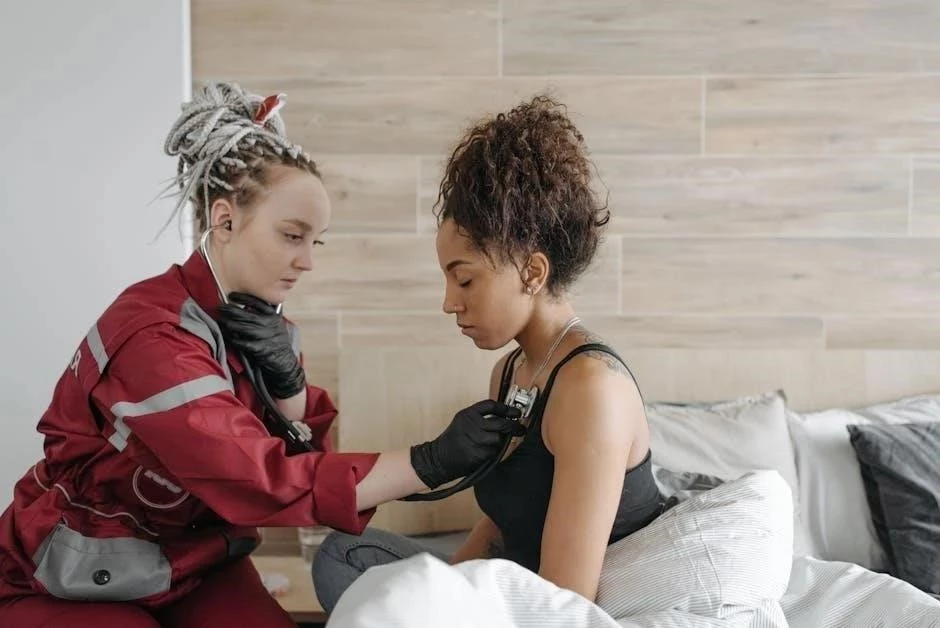
Spiritual Advocacy in NYC Home Nursing
Effective Spiritual advocacy in NYC home nursing goes beyond simple tolerance; it involves the active protection and promotion of a patient’s religious rights within the healthcare system. Nurses act as a bridge between the clinical requirements of a physician’s orders and the spiritual requirements of the patient’s soul. In the private setting of a home, the nurse is the steward of this balance, ensuring that the patient does not have to choose between their faith and their health. This advocacy often involves coordinating with home health aides, physical therapists, and family members to create a unified front that respects the patient’s worldview.
- Modifying clinical schedules to accommodate the Jewish Sabbath or Muslim prayer times (Salah).
- Advocating for the use of specific religious garments during care, provided they do not interfere with safety.
- Ensuring that the patient’s modesty is maintained according to their religious standards during physical exams.
- Facilitating the preparation of specific foods required for religious holidays or fast-breaking rituals.
- Coordinating with the medical team to find alternatives to medications that may contain ingredients prohibited by the patient’s faith.
- Assisting families in creating a sacred space within the home that is conducive to both healing and worship.
Navigating Daily Rituals and Clinical Interventions
The daily rhythm of life in a faith-based household is often dictated by rituals that can conflict with a rigid medical schedule. In New York’s diverse communities, nurses must be adept at “clinical flexibility.” For instance, a patient observing Ramadan may require adjustments to their medication timing to align with Suhoor and Iftar. Similarly, a patient practicing daily Zen meditation may need a designated hour of absolute quiet where no vital signs are taken. Respecting these rites is not just about kindness; it is about reducing the patient’s stress levels, which directly impacts heart rate, blood pressure, and immune response.
- Developing a “sacred timing” chart that aligns wound care and therapy with the patient’s spiritual obligations.
- Training caregivers on the proper handling of religious items such as prayer beads, scriptures, or holy water.
- Supporting the practice of “Wudu” (ritual washing) before prayer, ensuring the patient remains safe from falls in the bathroom.
- Incorporating spiritual music or chanting into the patient’s environment to assist with pain management and relaxation.
- Using the patient’s faith as a motivational tool during difficult physical therapy sessions.
- Providing resources for virtual religious services if the patient is unable to attend their local house of worship.
Dietary Laws and Nutritional Management in Home Care
For many New Yorkers, food is a deeply spiritual matter. Whether it is the strict separation of meat and dairy in a Kosher kitchen or the avoidance of pork and alcohol in Islamic traditions, dietary laws are central to spiritual identity. When a nurse conducts a Nursing Assessment NYC, they must verify that any nutritional supplements or liquid diets prescribed are compliant with these laws. Advocacy in this area prevents the patient from feeling that their healthcare is an “infringement” on their holiness. Furthermore, fasting during certain religious periods requires close clinical monitoring to prevent dehydration or hypoglycemia.
- Collaborating with registered dietitians to create meal plans that meet both clinical macros and religious standards.
- Checking the gelatin or alcohol content in liquid medications and seeking alternatives when necessary.
- Educating the family on how to manage chronic conditions like diabetes during periods of religious fasting.
- Ensuring that the kitchen environment is respected, such as using specific utensils for certain food groups.
- Monitoring for malnutrition if a patient refuses hospital-provided meals that do not meet their religious criteria.
- Recognizing the symbolic importance of certain foods in rituals, such as the use of honey or specific herbs.
End-of-Life Rituals and Palliative Care Sensitivity
The transition to end-of-life care is perhaps the most critical time for Spiritual advocacy in NYC home nursing. Different faiths have very specific requirements regarding the position of the bed, the presence of specific family members, and the rituals performed immediately after death. In the diverse tapestry of New York, a nurse must be prepared to step back and allow these sacred moments to unfold, providing clinical support only when it facilitates the family’s spiritual needs. Palliative care in the home should be a harmonious blend of pain management and spiritual preparation for the soul’s journey.
- Assisting families in arranging for the “Last Rites” or specific prayers to be said at the bedside.
- Ensuring that the patient’s body is handled with the specific respect required by their faith after passing. Nursing Assessment NYC
- Working with local religious organizations to ensure a seamless transition from home care to funeral or burial rites.
- Providing emotional support to families who may be grappling with “spiritual why” questions during a terminal illness.
- Respecting the patient’s wishes regarding the use of morphine or sedation, balancing comfort with the desire for a “conscious” death.
- Understanding the NYC-specific resources for varied religious burials and bereavement support groups.
Training and Cultural Humility in the Nursing Workforce
To provide high-quality home care, nurses must undergo continuous training in cultural humility. This involves recognizing that one’s own clinical perspective is just one way of viewing the world. NYC nursing agencies that prioritize Spiritual advocacy in NYC home nursing invest in education that covers the major world religions and the local customs of the five boroughs; This training empowers nurses to ask respectful questions and to become lifelong learners of their patients’ cultures. When a nurse demonstrates this level of humility, the clinical outcomes improve because the patient feels seen, heard, and valued as a whole person.
- Participating in workshops focused on the specific healthcare needs of NYC’s Jewish, Muslim, Hindu, and Christian communities.
- Learning basic phrases in the patient’s native language to discuss spiritual needs and comfort.
- Developing a “cultural reference guide” for the agency to assist new nurses in navigating diverse home environments.
- Encouraging peer-to-peer sharing of experiences where spiritual advocacy led to better patient compliance;
- Implementing a feedback loop where families can rate the “cultural and spiritual respect” they received from their care team.
- Integrating spiritual assessment tools into the electronic health record to ensure continuity of care across different providers.
Nurse Insight: In my experience, a patient's recovery often accelerates when they feel their core identity and faith are being protected by their medical team. I have seen firsthand in Brooklyn and Queens how simple acts, like adjusting a dressing change to avoid a prayer time or ensuring a patient's religious garment remains accessible, build a level of trust that clinical skill alone cannot achieve. It is that trust that allows us to manage more complex medical issues later on, because the patient knows we respect who they are at their soul’s level.
Frequently Asked Questions
How does a nurse handle religious dietary restrictions in a home setting?
Can a patient refuse certain medical treatments based on their faith?
What is included in a spiritual nursing assessment in NYC?
How do nurses manage prayer schedules for patients who need frequent care?
What role does the family play in spiritual advocacy?
Contact ProLife Home Care NYC for a free clinical assessment:(718) 232 – 2777
Contact ProLife Home Care NYC for a free clinical assessment: (718) 232-2777