As we approach 2026, the standards for home safety in New York City are evolving. For seniors living in Manhattan, where historic pre-war architecture meets the constraints of compact urban living, fall prevention is not merely about clearing clutter—it is a critical medical necessity. Falls remain the leading cause of injury-related hospitalizations for adults aged 65 and older in NYC. This comprehensive clinical guide outlines the updated 2026 Safety Audit protocols designed specifically for the unique layout of Manhattan apartments to ensure aging-in-place is safe, sustainable, and dignified.
- Environmental Adaptation: The 2026 audit prioritizes high-contrast lighting and the removal of “silent” hazards common in NYC apartments, such as high thresholds and vintage parquet flooring transitions.
- Bathroom Fortification: Installing tension-based grab bars and transfer benches is critical in narrow Manhattan bathrooms where structural modifications may be restricted by landlords or building codes.
- Clinical Supervision: Integrating fall-risk assessments into daily care routines, including monitoring medication side effects (dizziness) and footwear stability, significantly reduces incident rates.

Expert Author: Anna Klyauzova, MSN, RN
Director of Patient Services
Anna is a Registered Nurse specializing in geriatric home health care in New York City. She leads clinical safety protocols and caregiver training at ProLife Home Care.
The Unique Anatomy of a Manhattan Fall Risk
New York City apartments present a unique set of challenges that are rarely addressed in general national safety guidelines. In Manhattan, we are often dealing with pre-war buildings that, while charming, are hazardous for those with mobility issues. The 2026 Safety Audit acknowledges that we cannot always change the architecture, but we can drastically change how we interact with it.
Key structural risks specific to our city include:
- Narrow Hallways and Doorways: Many older apartments have doorways too narrow for standard walkers, forcing seniors to “furniture surf” or abandon assistive devices.
- Uneven Flooring Transitions: The transition from hallway parquet to kitchen tile in NYC apartments often involves a raised saddle or threshold, a primary trip hazard.
- Radiator Obstructions: Steam heat radiators often protrude into walkways, creating tight pinch points.
- Compact Bathrooms: The classic “New York bathroom” leaves little room for maneuvering, making transfers in and out of the tub dangerous.
Living Area & Bedroom: The 2026 Clearance Protocols
In the updated 2026 audit, we move beyond simple decluttering to “Path of Travel” optimization. The goal is to create a seamless trajectory from the bed to the bathroom and the living area.
Flooring and Stability
Area rugs are a staple of NYC interior design, but clinically, they are trip hazards. If rugs cannot be removed due to noise insulation requirements (the “80% rule” in many co-ops), they must be secured with industrial-grade double-sided tape or heavy furniture anchors. However, the gold standard for 2026 is wall-to-wall low-pile carpeting or bare, non-slip treated floors.
Lighting and Vision
Aging eyes require 2 to 3 times more light than younger eyes. In Manhattan apartments, which can be dark due to facing air shafts or alleyways, relying on natural light is insufficient.
- Motion-Sensor Night Lights: These should be installed along the baseboards from the bedroom to the bathroom.
- Smart Bulbs: We recommend transitioning to smart lighting systems that can be voice-activated, eliminating the need to walk across a dark room to find a switch.
The Danger Zone: Bathroom Safety Modifications
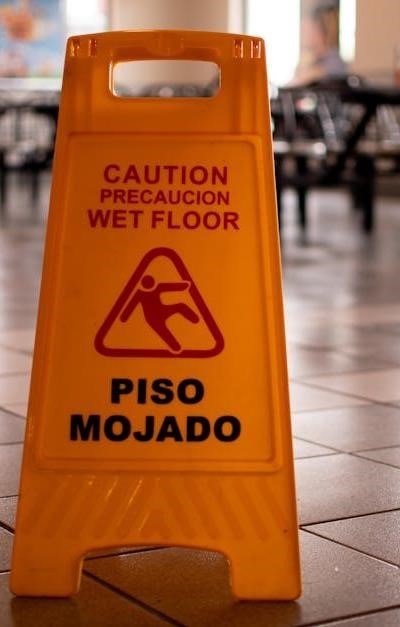
Over 80% of falls in the home occur in the bathroom. The combination of water, hard surfaces, and tight spaces creates a high-risk environment. For 2026, the focus is on “Non-Invasive Fortification”—solutions that work for renters and owners alike without requiring gut renovations.
Tub and Shower Access
Stepping over the high rim of a standard cast-iron NYC tub requires significant balance and hip flexion.
- Transfer Benches: A tub transfer bench extends outside the tub, allowing the user to sit down safely and slide legs over the rim, eliminating the need to balance on one foot.
- Grab Bars: Suction-cup grab bars are often unreliable. We recommend tension-mounted floor-to-ceiling poles (if ceilings allow) or clamp-on tub rails that do not require drilling into tile.
Toilet Safety
Standard toilets are often too low, making standing up difficult. A raised toilet seat with arms adds height and leverage, preserving energy and preventing falls caused by quadriceps weakness.
Clinical Factors: Medication and Physical Health
A safe environment is only half the equation. As an RN, I assess the internal physiological factors that contribute to falls. Safety Evaluation
Polypharmacy and Orthostatic Hypotension
Many seniors take multiple medications (polypharmacy). Certain combinations, particularly blood pressure meds, sedatives, and antidepressants, can cause dizziness or orthostatic hypotension (a drop in blood pressure upon standing). Part of our ProLife Home Care assessment involves reviewing medication schedules to ensure high-risk meds are taken when supervision is available or when the client is safely seated.
Footwear in the Apartment
Walking in socks or loose slippers on polished wood floors is a recipe for disaster. We enforce a “shoes on” policy or the use of non-slip socks with adequate grip treads. Firm-soled, closed-heel slippers provide the necessary proprioceptive feedback to the feet.
The Role of Home Care in Fall Prevention
Professional home care is the most effective fall prevention strategy available. A Home Health Aide (HHA) provides the physical support and cognitive oversight that technology cannot match.
Active Supervision
An HHA does not just watch; they anticipate. They clear the path before the client walks. They provide “stand-by assist” during transfers, ready to steady the client if knees buckle. They ensure hydration, as dehydration creates confusion and weakness leading to falls.
24/7 Safety
For clients with high fall risk, specifically those with dementia or history of stroke, 24-hour live-in care or split-shift care ensures that if a client wakes at 3 AM to use the restroom, they are not navigating the dark alone.
Frequently Asked Questions About Fall Prevention
How often should a home safety audit be conducted?
Can I install grab bars in a rented Manhattan apartment?
What is the best type of flooring for fall prevention?
How does Home Care help with fall prevention specifically?
Does Medicare cover bathroom safety equipment?
What are “fall-risk medications”?
What should I do immediately if a fall occurs?
Schedule Your Safety Assessment Today
Don’t wait for a fall to happen. Secure your home with ProLife Home Care’s professional assistance.
(718) 232-2777
Call Now
Contact ProLife Home Care NYC for a free clinical assessment:(718) 232 – 2777