Navigating the financial demands of caring for a loved one can be one of the most stressful aspects of the caregiving journey for New York families. These tax credits for family caregivers NY are specifically designed to provide a financial cushion for those who sacrifice their time and resources to keep family members at home. Understanding these benefits allows you to focus more on the quality of care and less on the rising costs of medical supplies and assistance. You deserve to access every available resource to ensure your family remains healthy, safe, and financially secure.
Clinical Quick Answer
New York caregivers can access financial relief through various federal and state mechanisms, including the Credit for Other Dependents and the Child and Dependent Care Credit. When combined with programs like CDPAP, which offers competitive CDPAP Pay Rates for family caregivers, the total financial burden of home care can be significantly reduced. Eligibility generally hinges on the caregiver providing more than half of the dependent’s financial support and the dependent meeting specific disability or income criteria defined by the IRS and NY Department of Taxation.
Major Federal Tax Credits for New York Caregivers
While state-specific benefits are crucial, the foundation of financial relief often begins at the federal level. For New York families, identifying the correct credits can mean thousands of dollars in savings during the annual tax season. The Internal Revenue Service (IRS) recognizes the immense value of home care and offers several pathways for reimbursement.
- The Credit for Other Dependents (ODC): This is a non-refundable credit of up to $500 for each qualifying person who does not qualify for the Child Tax Credit. This typically includes elderly parents or adult children with disabilities who live with the caregiver.
- Child and Dependent Care Credit: If you pay someone to care for a dependent so that you can work or look for work, you may be eligible for this credit. For caregivers of adults, the individual must be physically or mentally incapable of self-care and have lived with you for more than half the year.
- Head of Household Filing Status: If you are unmarried and provide a home for a qualifying parent, even if they do not live with you, you may qualify for this status. This results in a higher standard deduction and lower tax rates than filing as a single individual.
- Medical Expense Deductions: You can deduct the portion of unreimbursed medical expenses that exceed 7.5% of your adjusted gross income (AGI). This includes home modifications like ramps, hospital beds, and even certain transportation costs for medical visits.
- Dependency Exemptions: Although the Tax Cuts and Jobs Act suspended personal exemptions until 2025, defining a family member as a dependent remains the key “gateway” to accessing other credits like the ODC mentioned above.
New York State Specific Caregiver Benefits
New York is one of the more progressive states regarding caregiver support. There are specific tax credits for family caregivers NY that mirror federal benefits but apply directly to your state tax liability. Navigating these requires a clear understanding of NY State Department of Taxation and Finance forms.
- NY State Child and Dependent Care Credit: New York allows a state-level credit that is a percentage of the federal credit. The best part? For many New Yorkers, this credit is refundable, meaning if the credit exceeds your tax liability, you get the difference back as a refund.
- The Household Credit: This credit is available to low-to-moderate-income New Yorkers. The amount depends on your household size and income, helping to offset the general cost of maintaining a home where care is provided.
- Long-Term Care Insurance Credit: If you are paying for long-term care insurance for a loved one, New York offers a credit equal to 20% of the premiums paid. This is a significant incentive for families planning for future care needs.
- Sales Tax Exemptions: Certain medical equipment and supplies purchased for home care are exempt from New York state and local sales tax. Always ensure you are not being charged tax on items like prosthetic devices, hearing aids, or medical grade monitors.
- Earned Income Tax Credit (EITC): For caregivers who are working but earning a lower income due to their caregiving responsibilities, the NY state EITC provides a substantial boost, often reaching thousands of dollars for those with qualifying dependents.
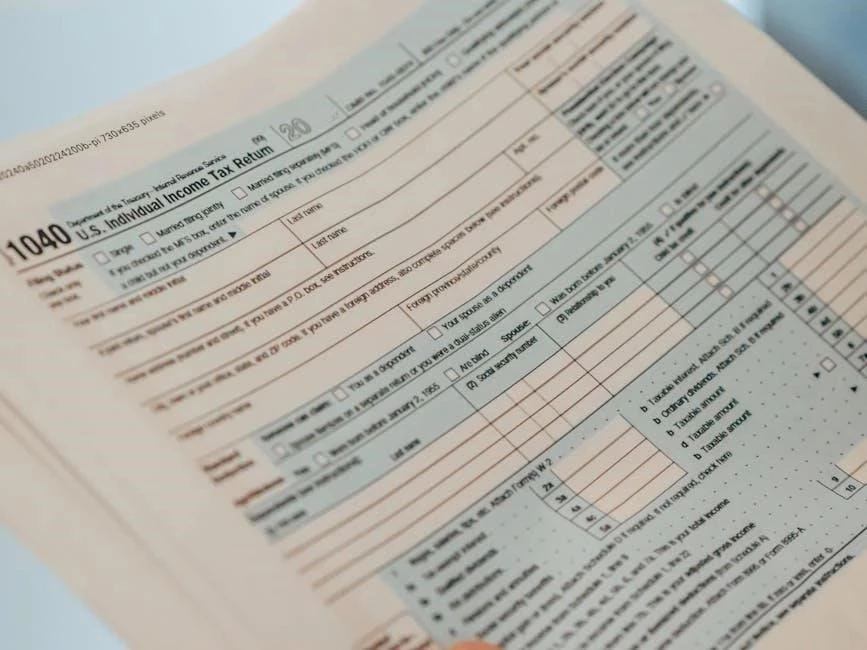
The Intersection of CDPAP and Taxable Income
The Consumer Directed Personal Assistance Program (CDPAP) is a Medicaid program that allows family members to be paid as caregivers. However, it is vital to understand how these wages interact with your tax situation and how the prevailing CDPAP Pay Rates affect your overall financial health.
- Income Thresholds: Being paid as a CDPAP caregiver increases your taxable income. You must balance the benefit of receiving a steady paycheck against the potential for moving into a higher tax bracket or losing eligibility for certain income-restricted credits.
- Notice 2014-7 (Difficulty of Care Payments): Under IRS Notice 2014-7, certain payments received by caregivers under a state Medicaid waiver program (like CDPAP) may be excludable from gross income if the caregiver lives in the same home as the care recipient.
- Regional CDPAP Pay Rates: Pay rates vary significantly across New York. Caregivers in New York City, Long Island, and Westchester often see higher hourly rates than those in Upstate New York, which impacts the total annual income reported on tax returns.
- FICA and Social Security: If you are hired as a caregiver through a fiscal intermediary, they generally handle tax withholdings. This ensures you are paying into Social Security and Medicare, which provides long-term financial safety for your own retirement.
- Combining Income and Credits: Even if you are receiving income via CDPAP, you may still qualify for tax credits for family caregivers NY if you meet the “support test,” proving you still provide a significant portion of the dependent’s overall maintenance.
Eligibility Requirements and the Support Test
To claim most tax benefits, the IRS and NY State require you to prove that the person receiving care is your “qualifying relative.” This is determined through a series of tests that ensure the credit is going to those with the highest financial responsibility.
- The Relationship Test: The care recipient must be related to you in one of several ways (parent, grandparent, sibling, etc.) or have lived with you the entire year as a member of your household.
- The Support Test: You must generally provide more than 50% of the person's total financial support for the year. Support includes food, lodging, medical expenses, clothing, and transportation.
- Gross Income Test: For certain credits, the dependent's gross income must be below a specific threshold (usually around $4,700, though this adjusts for inflation). Social Security benefits are often excluded from this calculation unless they are used for the dependent’s own support.
- Joint Return Test: You generally cannot claim someone as a dependent if they file a joint tax return with someone else, such as a spouse, unless that return is filed only to claim a refund of withheld income tax.
- Citizenship/Residency Test: The dependent must be a U.S. citizen, resident alien, national, or a resident of Canada or Mexico for at least part of the year.
Documenting Expenses for Maximum Reimbursement
The key to successfully claiming tax credits for family caregivers NY is meticulous record-keeping. In the event of an audit, or simply to ensure your tax preparer has the right data, you must maintain a paper trail of all care-related expenditures throughout the year.
- Medical Receipts: Keep a dedicated folder (digital or physical) for every co-pay, prescription cost, and medical supply purchase. Even small items like bandages and incontinence supplies add up over 12 months.
- Home Modification Invoices: If you installed a walk-in tub or a stairlift, keep the itemized invoices. These are often deductible as medical expenses if they are prescribed by a doctor for medical necessity.
- Transportation Logs: Track the mileage for every trip to the doctor, pharmacy, or physical therapist. The IRS allows a specific per-mile deduction for medical travel that many families overlook.
- CDPAP Pay Stubs: If you are a paid caregiver, keep your pay stubs to track your year-to-date earnings. This helps in estimating your tax liability before the end of the year so you aren’t surprised by a tax bill.
- Proof of Support: Maintain records of utility bills, rent/mortgage payments, and grocery bills to demonstrate that you are providing more than half of the household’s financial support.
Strategic Financial Planning for the Future
Beyond immediate tax credits, families should look at long-term financial structures that protect both the caregiver and the care recipient. New York law provides several tools to help manage assets while maintaining eligibility for benefits like Medicaid.
- Pooled Income Trusts: For individuals whose income is “over-budget” for Medicaid, a pooled trust allows them to spend their excess income on living expenses while still qualifying for home care services.
- Caregiver Agreements: A formal contract between the family and the caregiver can help clarify financial arrangements and may be necessary to satisfy Medicaid “look-back” rules regarding the transfer of assets.
- Estate Planning: Working with an elder law attorney in New York can help you structure your assets so that you can maximize tax credits for family caregivers NY while ensuring the care recipient’s needs are met for the duration of their life.
- Health Savings Accounts (HSA): If you have a high-deductible health plan, you can use HSA funds to pay for a dependent's qualifying medical expenses tax-free, adding another layer of financial efficiency.
- Consulting Professionals: Because tax laws change annually, always consult with a Certified Public Accountant (CPA) or a tax professional who specializes in elder care and New York state tax law.
Nurse Insight: In my experience, many families miss out on thousands of dollars simply because they don’t realize that home modifications and specialized medical equipment are tax-deductible. I always tell my clients to save every single receipt from the pharmacy and the medical supply store. When you are looking at CDPAP Pay Rates, remember that while the hourly wage is important, the tax-free “difficulty of care” payments can be a game-changer for your family’s budget. Don’t be afraid to ask your fiscal intermediary for a detailed breakdown of your tax withholdings.
Frequently Asked Questions
What is the New York State Caregiver Tax Credit?
Can I claim tax credits if I am already getting paid through CDPAP?
Are CDPAP Pay Rates high enough to cover all home care costs?
What medical expenses are deductible for caregivers in New York?
Is the income earned from CDPAP taxable in New York?
Contact ProLife Home Care NYC for a free clinical assessment:(718) 232 – 2777
Contact ProLife Home Care NYC for a free clinical assessment: (718) 232-2777