{
“@context”: “https://schema․org”‚
“@type”: “FAQPage”‚
“mainEntity”: [
{ “@type”: “Question”‚
“name”: “How far should oxygen tanks be kept from a gas stove in a small NYC kitchen?”‚
“acceptedAnswer”: {
“@type”: “Answer”‚
“text”: “Oxygen tanks and concentrators must be kept at least 5 to 10 feet away from any open flames‚ including gas stoves‚ ovens‚ and candles․ In compact NYC apartments‚ this often requires strategic furniture placement to ensure that the patient remains a safe distance from heat sources while still being able to navigate their living space safely․”
}
}‚
{
“@type”: “Question”‚
“name”: “Can I use an electric razor while using supplemental oxygen?”‚
“acceptedAnswer”: {
“@type”: “Answer”‚
“text”: “It is generally advised to avoid using electric razors or any electronic devices that may produce sparks while the oxygen is actively flowing․ To maintain the highest level of oxygen safety in NYC apartments‚ seniors should briefly turn off their oxygen supply and move to a different room if they need to use personal grooming electronics that carry a risk of internal sparking․”
} }‚
{
“@type”: “Question”‚
“name”: “Do I need to notify the FDNY if I have oxygen tanks at home?”‚
“acceptedAnswer”: {
“@type”: “Answer”‚
“text”: “Yes‚ it is highly recommended to notify the FDNY and your local precinct․ This ensures that in the event of a fire or building emergency‚ first responders are aware that there are pressurized oxygen cylinders on-site‚ which allows them to prioritize your apartment for evacuation and take necessary precautions to prevent explosions․”
}
}‚
{
“@type”: “Question”‚
“name”: “How often should a nurse inspect my home oxygen setup?”‚
“acceptedAnswer”: {
“@type”: “Answer”‚
“text”: “When utilizing professional Nurse Services‚ a safety audit is typically performed during every visit‚ but a comprehensive environmental assessment should happen at least once a month․ These inspections ensure that tubing is not frayed‚ filters are clean‚ and that the storage of back-up cylinders complies with New York City fire codes․”
}
}‚
{
“@type”: “Question”‚
“name”: “What should I do with my oxygen concentrator during a Con Edison power outage?”‚
“acceptedAnswer”: {
“@type”: “Answer”‚
“text”: “Always maintain a back-up supply of portable oxygen cylinders that do not require electricity․ In the event of a power outage in NYC‚ switch to your tanks immediately and contact your oxygen provider or 911 if your supply is running low‚ as high-rise buildings may experience extended delays in power restoration․”
}
}
]
}
As a senior nurse who has spent decades serving families across the five boroughs‚ I know that bringing medical oxygen into a home is a life-changing step that requires both care and vigilance․ We understand that for NYC families‚ the safety of a loved one in a multi-unit building is a shared responsibility that goes beyond simple medical compliance․ Our goal is to empower you with the knowledge to manage respiratory therapy safely‚ ensuring that your home remains a secure environment for your parents and your neighbors․ By integrating professional oversight and strict safety protocols‚ we can significantly reduce the risks associated with home oxygen use in our unique urban setting․
Clinical Quick Answer
Effective fire prevention for seniors using supplemental oxygen in NYC requires maintaining a minimum five-foot clearance from all heat sources‚ including stoves‚ heaters‚ and electronic devices․ Families should utilize professional Nurse Services to conduct regular safety audits and ensure that all equipment is functioning within clinical parameters․ Proper oxygen safety in NYC apartments also necessitates clear signage and FDNY notification to ensure rapid and safe intervention during emergency situations․
Understanding the Mechanics of Oxygen and Combustion
- Oxygen is not flammable: It is a common misconception that oxygen itself burns; however‚ it is an oxidizer that supports combustion‚ meaning it makes everything else catch fire more easily and burn much hotter and faster․
- Saturated Environments: In the confined spaces of many New York City residences‚ oxygen can accumulate in fabrics like curtains‚ bedding‚ and clothing‚ creating a high-risk environment where a single spark can lead to an uncontrollable fire․
- The Danger of Grease and Oils: Patients must never use oil-based lotions‚ petroleum jelly (Vicks or Vaseline)‚ or grease on their face or hands while using oxygen‚ as these substances can spontaneously ignite in an oxygen-rich atmosphere․
- Ventilation Requirements: It is vital to ensure that the room where the oxygen concentrator is located has adequate airflow to prevent the buildup of concentrated oxygen gas‚ which is a particular challenge in smaller studios or older NYC apartments․
- Static Electricity Risks: Seniors should avoid wearing synthetic fabrics like polyester or nylon‚ which can generate static sparks; instead‚ 100% cotton clothing and bedding are recommended for those on continuous flow therapy․
Essential Guidelines for Oxygen Safety in NYC Apartments
- Safe Storage of Cylinders: Backup oxygen tanks must be stored upright in a well-ventilated area‚ never in a closet‚ under a bed‚ or behind a curtain where oxygen could bleed off and concentrate in a small space․
- Distance from Heat Sources: Residents must maintain a strict 5-to-10-foot buffer zone between oxygen equipment and any heat sources‚ including radiators‚ space heaters‚ and the high-output steam pipes common in pre-war NYC buildings․
- Kitchen Safety Protocols: Ideally‚ the oxygen user should remain out of the kitchen while the stove or oven is in use‚ but if they must be present‚ they should use extra-long tubing to stay as far away from the heat source as possible․
- Eliminating Open Flames: This includes the total prohibition of smoking‚ as well as the use of candles‚ incense‚ or even pilot lights on older gas appliances which can serve as an ignition point․
- Signage Requirements: “No Smoking: Oxygen in Use” signs should be prominently displayed on the apartment door to alert visitors‚ delivery personnel‚ and emergency responders to the presence of pressurized gas․
The Role of Professional Nurse Services in Risk Mitigation
- Clinical Environment Assessments: Professional Nurse Services provide an extra layer of protection by performing regular walk-throughs to identify potential hazards that family members might overlook‚ such as frayed electrical cords or improper tank storage․
- Patient and Caregiver Education: Nurses provide hands-on training for seniors on how to operate concentrators correctly‚ how to check for leaks using the “soapy water test‚” and how to manage the flow rate as prescribed by the physician․
- Monitoring Equipment Integrity: A visiting nurse ensures that the oxygen concentrator filters are cleaned weekly to prevent overheating‚ which is a leading cause of equipment-related fires in home settings․
- Medication and Compliance Oversight: Proper oxygen use is a form of medication management; nurses ensure the patient is not self-adjusting flow rates‚ which could lead to increased oxygen saturation in the room․
- Liaising with Oxygen Providers: Nurse Services act as a bridge between the family and the durable medical equipment (DME) company‚ ensuring that faulty equipment is replaced immediately and that deliveries are handled safely․
Electrical Safety and Equipment Maintenance
- Dedicated Power Outlets: Oxygen concentrators are high-draw appliances and should be plugged directly into a grounded wall outlet; the use of extension cords or “power strips” is strictly prohibited as they can overheat and spark․
- Regular Filter Cleaning: Dust accumulation in the intake filters of a concentrator can cause the motor to work harder and run hotter‚ significantly increasing the risk of an internal electrical fire․
- Inspecting Nasal Cannulas and Tubing: Tubing should be inspected daily for cracks or kinks; damaged tubing can lead to oxygen leaks that enrich the surrounding air to dangerous levels․
- Safe Use of Electronics: Seniors should be cautioned against using certain electric hair dryers‚ curling irons‚ or electric blankets while their oxygen is flowing‚ as these devices frequently produce internal arcs or sparks․
- Battery Backup Maintenance: For those using portable oxygen concentrators (POCs)‚ the batteries should be checked for swelling or excessive heat during charging‚ as lithium-ion battery failures can be catastrophic in an oxygen-rich environment․
Emergency Preparedness and Evacuation Planning
- FDNY Notification: It is essential for NYC residents to inform the local fire department of their oxygen use so the apartment can be flagged in the 911 dispatch system for priority evacuation․
- High-Rise Challenges: In the event of a fire elsewhere in the building‚ oxygen users should know their floor’s specific fire safety plan‚ as elevators are often grounded and stairwell evacuation may be difficult for those with respiratory issues․
- Con Edison Life Support Equipment Program: NYC residents should enroll in the ConEd Life Support Equipment program‚ which ensures they are notified of planned outages and receive priority restoration during blackouts․
- The “Go-Bag” for Oxygen Users: Every senior should have an emergency bag containing a backup supply of nasal cannulas‚ a list of current medications‚ and a portable oxygen source that can last at least 24 hours․
- Communication Chains: Establish a “phone tree” or emergency contact list that includes the oxygen supplier‚ the primary care physician‚ and the nurse services agency to ensure rapid coordination during a crisis․
Legal and Regulatory Considerations for NYC Tenants
- Landlord Notifications: While NYC tenants have a right to use medical equipment‚ it is beneficial to inform the landlord or building management to ensure that smoke detectors and carbon monoxide alarms are in perfect working order․
- NY State DOH Compliance: Following the guidelines set forth by the NY State DOH ensures that home care stays within legal safety boundaries and meets the standards for Medicaid/Medicare reimbursement․
- Insurance Requirements: Some renters’ insurance policies may have specific clauses regarding the storage of pressurized tanks; reviewing these documents can prevent financial liability in the event of an accident․
- Smoke Detector Laws: NYC law requires landlords to provide working smoke and carbon monoxide detectors‚ but oxygen users should go a step further and test these devices monthly to ensure maximum lead time in an emergency․
- Proper Disposal of Equipment: Old or empty oxygen cylinders cannot be thrown in the regular NYC trash or recycling; they must be returned to the medical supply company to prevent hazards for sanitation workers․
Nurse Insight: In my experience‚ the biggest risk factor for seniors in New York City isn’t the equipment itself‚ but the hidden hazards of our aging infrastructure․ I have walked into apartments where a concentrator was plugged into a 50-year-old outlet that was warm to the touch‚ or where a patient was using their oxygen tank while standing over a gas stove to boil water․ My advice to every family is this: do a “safety sweep” every single evening․ Check that the tubing isn’t a tripping hazard‚ make sure no one has left a candle burning‚ and always ensure the backup tanks are secured․ Vigilance is the highest form of care․
Frequently Asked Questions
Can I use an air purifier in the same room as an oxygen concentrator?
Yes‚ air purifiers are generally safe and can even help by reducing the dust that clogs oxygen concentrator filters․ However‚ ensure the purifier is kept several feet away from the concentrator and that it does not have an “ionizer” setting that could potentially create static or ozone buildup․
Is it safe for visitors to smoke in a different room of the apartment?
No‚ it is not safe․ In small NYC apartments‚ oxygen levels can remain elevated throughout the entire unit․ Smoke and embers can easily travel‚ and the safest policy is a strictly enforced “No Smoking” rule for the entire residence at all times․
What should I do if I smell something burning near the concentrator?
Immediately turn off the oxygen concentrator‚ switch the patient to a backup oxygen cylinder (located in a different room if possible)‚ and unplug the machine․ Do not attempt to restart the device; instead‚ call your Nurse Services provider or the equipment company for an immediate inspection․
How many backup tanks are NYC seniors allowed to keep in their apartments?
While there is no hard limit for medical necessity‚ the FDNY generally recommends keeping only the amount necessary for a 24-48 hour emergency․ Excessive amounts of pressurized gas can create a significant hazard for firefighters‚ so it is best to have frequent smaller deliveries rather than stockpiling tanks․
Are there specific types of fire extinguishers recommended for oxygen users?
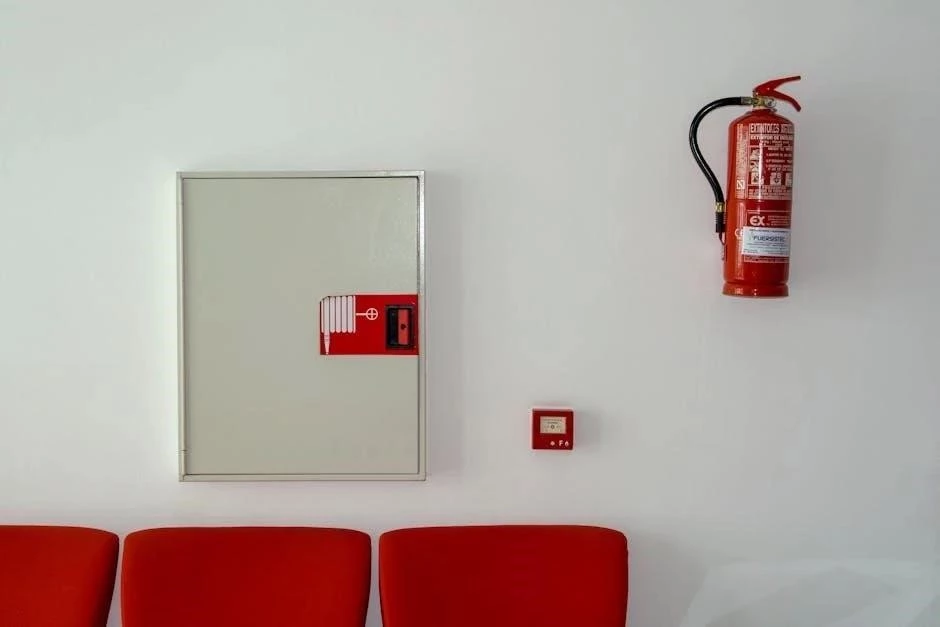
An ABC-rated multipurpose fire extinguisher is standard‚ but the most important thing is to have it easily accessible near the exit of the room․ Remember that a fire in an oxygen-rich environment spreads too fast for a handheld extinguisher to handle alone; your first priority must always be evacuation and calling 911․
Contact ProLife Home Care NYC for a free clinical assessment:(718) 232 – 2777