Caring for an aging loved one in New York City often involves navigating the complex emotional landscape of social distancing and limited mobility. We recognize that the vibrant pace of the city can sometimes leave seniors feeling disconnected within their own homes, leading to significant emotional distress. Robotic companions for seniors NYC provide a unique opportunity to bridge the gap between human interaction and total solitude, offering a comforting presence when family cannot be there. Our goal is to help you explore how these innovative tools can foster a sense of security and joy for your elderly family members.
Clinical Quick Answer
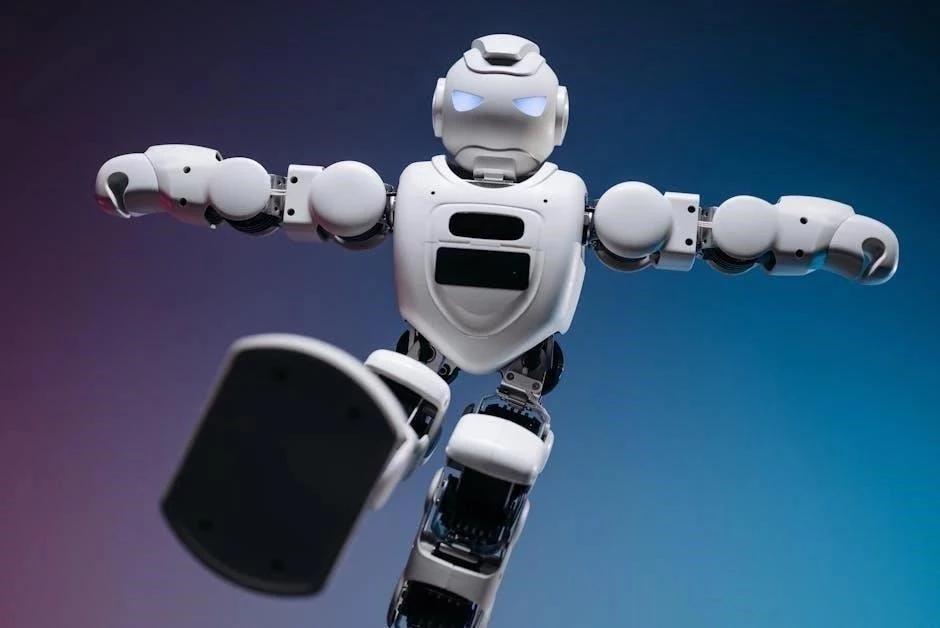
Robotic companions act as a powerful intervention to mitigate the physiological and psychological effects of social withdrawal in the elderly population. By providing consistent engagement and cognitive stimulation, these devices can lower cortisol levels and improve mood regulation. For many families, integrating robotic companions for seniors NYC alongside traditional care models offers a multifaceted approach to combating the modern epidemic of isolation.
Understanding Mental Health Isolation in the NYC Senior Population
Mental Health Isolation is not merely a feeling of being alone; it is a clinical state that can lead to a decline in physical health, cognitive function, and overall life expectancy. In New York City, where high-rise living and busy schedules can inadvertently wall off the elderly, this isolation becomes a silent crisis. Seniors who lack regular social contact are at a significantly higher risk for developing depression, anxiety, and even cardiovascular diseases. The density of NYC can ironically exacerbate this, as seniors may feel “lost in the crowd” or physically unable to navigate the bustling streets to visit community centers.
- The lack of meaningful social interaction triggers a chronic stress response in the brain, leading to systemic inflammation.
- Social isolation is associated with a 50% increased risk of developing dementia and other cognitive impairments.
- Seniors in NYC often face barriers like walk-up apartments or unreliable transportation, which further restricts their social sphere.
- Isolation frequently leads to self-neglect, where seniors may stop adhering to medication schedules or proper nutrition.
- Psychological “fading” occurs when a senior feels they no longer have a role or someone to interact with on a daily basis.
The Role of Robotic Companions for Seniors NYC as a Clinical Tool
Robotic companions for seniors NYC have evolved from simple toys into sophisticated medical and social aids. These devices are designed to provide “active listening” and responsive engagement, which are critical for maintaining mental acuity. Whether it is a lifelike robotic cat that purrs when petted or a proactive social robot that initiates conversation, these tools serve as a non-judgmental presence that is always available. In the context of NYC home care, these robots are becoming a standard recommendation for those living alone under Medicaid-managed long-term care plans.
- Robotic pets provide the tactile comfort of a real animal without the physical demands of feeding or cleaning.
- Social robots can be programmed to remind seniors of appointments, exercise routines, and hydration needs.
- Advanced AI allows these companions to learn the user’s preferences, creating a personalized bond over time.
- By reducing the feeling of an empty home, these devices prevent the onset of “sundowning” behaviors in dementia patients.
- Robotic intervention serves as a supplement to, not a replacement for, human caregiving, filling the gaps during the night or work hours.
Combating Cognitive Decline Through Technological Engagement
Cognitive stimulation is the cornerstone of preventing rapid decline in seniors. Robotic companions are often equipped with games, news updates, and storytelling capabilities that keep the brain active. For a senior in NYC who might spend hours without speaking to another person, a robot that asks “How was your breakfast?” or “Would you like to hear a poem?” forces the brain to process language and generate responses. This verbal gymnastics is essential for maintaining the neural pathways associated with communication and memory.
- Interactive robots can facilitate video calls with family members, removing the technical barriers that often prevent seniors from using tablets.
- The presence of a “living” object in the room encourages seniors to remain more alert and observant of their surroundings.
- Clinical studies show that seniors who interact with robotic seals (like PARO) show decreased agitation and improved social behavior.
- Memory-matching games and trivia offered by social robots provide daily mental exercises that are measurable and repeatable.
- Robotic companions can help re-establish a daily routine, which is vital for patients with early-stage Alzheimer’s.
NYC Government Initiatives and Medicaid Integration
The New York City Department for the Aging (DFTA) and the New York State Office for the Aging (NYSOFA) have recognized the clinical utility of robotic technology. In recent years, thousands of robotic pets have been distributed to seniors across the five boroughs to combat the effects of Mental Health Isolation; These initiatives highlight a shift in public health strategy, acknowledging that emotional well-being is as critical as physical check-ups. Many Medicaid-managed care plans in NYC are beginning to evaluate these devices as “durable medical equipment” or “social supports” that can be covered under specific home-care benefits.
- New York State has led the nation in pilot programs distributing animatronic pets to isolated seniors.
- Case managers in NYC are increasingly trained to identify seniors who would benefit most from robotic companionship.
- The integration of these devices helps lower the overall cost of care by reducing emergency room visits related to “failure to thrive.”
- Programs like the “Senior Planet” centers in NYC provide training for elders to get comfortable with companion technology.
- Funding for these devices is often tied to the goal of “Aging in Place,” allowing seniors to stay in their NYC apartments longer.
Impact on Family Caregivers and Peace of Mind
For the adult children of seniors in NYC, the guilt of not being able to visit daily is a significant burden. Robotic companions for seniors NYC offer a form of “passive monitoring” and emotional support that relieves some of this pressure. Knowing that a parent has a responsive companion that can alert the family if something seems wrong or simply keep them company during a lonely evening provides immense peace of mind. This technology acts as a bridge, ensuring the senior feels cared for even when the human caregiver is at work or commuting through the city.
- Many social robots allow family members to check in via a mobile app to see how much the senior has interacted with the device.
- The presence of a robot reduces the “crisis calls” families often receive from seniors who are simply feeling lonely or anxious.
- Caregivers report that their loved ones are in a better mood during visits after having consistent interaction with a robotic companion.
- Robots can be programmed with family photos and recordings, making the tech feel like an extension of the family unit.
- By handling reminders and simple entertainment, the robot allows human caregivers to focus on high-quality emotional bonding during their visits.
Ethical Considerations and the Future of Aging in NYC
As we move toward a more tech-integrated future, the ethics of robotic care must be addressed. It is vital to ensure that technology is used to enhance human connection, not to isolate seniors further by replacing human contact entirely. In NYC, the focus is on a hybrid model: professional home care, family involvement, and robotic assistance. The goal is to create a safety net that addresses Mental Health Isolation from all angles, ensuring that every senior has the opportunity to live with dignity and social fulfillment.
- Transparency is key; seniors should understand the nature of their robotic companion to maintain trust.
- Data privacy is a major concern, and NYC programs ensure that these devices meet strict security standards.
- The future may see “roving” robots that can detect falls and alert emergency services in NYC apartments instantly.
- Cultural competency is being built into AI, allowing robots to speak multiple languages common in NYC, like Spanish, Cantonese, and Russian.
- Continuous research is being conducted in NYC hospitals to refine the AI’s ability to detect signs of clinical depression in real-time.
Nurse Insight: In my experience working with seniors across Brooklyn and Queens, I have seen firsthand how a simple robotic cat can change the atmosphere of a home. Many of my patients who suffered from profound Mental Health Isolation began to show improved speech patterns and a brighter affect after just two weeks with a companion robot. It is not about replacing the family; it is about providing a constant, soothing presence that makes the long hours between visits much more bearable. For families in NYC, I always suggest looking into state-funded programs first, as you might be surprised by the resources available to help your loved one stay connected.
Frequently Asked Questions
How do robotic companions help with Mental Health Isolation?
Are robotic companions for seniors NYC available through state programs?
Can these robots replace human caregivers in a clinical setting?
What are the specific benefits of robotic pets for dementia patients?
How much do these robotic companions typically cost for NYC families?
Contact ProLife Home Care NYC for a free clinical assessment:(718) 232 – 2777
Contact ProLife Home Care NYC for a free clinical assessment: (718) 232-2777