{
“@context”: “https://schema․org”‚
“@type”: “FAQPage”‚
“mainEntity”: [
{
“@type”: “Question”‚
“name”: “What is included in a Nursing Assessment NYC for Muslim seniors?”‚
“answer”: {
“@type”: “Answer”‚
“text”: “A Nursing Assessment NYC for Muslim seniors includes a comprehensive clinical evaluation of physical health‚ medication review‚ and a cultural audit to ensure care plans respect Islamic practices such as prayer times‚ modesty requirements‚ and Halal dietary restrictions․”
}
}‚
{ “@type”: “Question”‚
“name”: “How does Muslim senior care NYC home services handle Halal dietary needs?”‚
“answer”: {
“@type”: “Answer”‚
“text”: “Muslim senior care NYC home services prioritize Halal-certified nutrition‚ ensuring all meals are free from pork and alcohol derivatives‚ and that cross-contamination is avoided in the kitchen according to Islamic law․”
}
}‚
{
“@type”: “Question”‚
“name”: “Can I request a caregiver of the same gender for my elderly parent?”‚
“answer”: {
“@type”: “Answer”‚
“text”: “Yes‚ cultural modesty is a cornerstone of Muslim senior care NYC home protocols․ Agencies prioritize gender-congruent care to ensure the senior feels comfortable and respected during personal hygiene and medical procedures․”
}
}‚
{
“@type”: “Question”‚
“name”: “Are medications checked for gelatin or non-Halal ingredients?”‚
“answer”: {
“@type”: “Answer”‚
“text”: “During a Nursing Assessment NYC‚ the nurse reviews all prescriptions and supplements․ They work with physicians to find gelatin-free or synthetic alternatives for medications whenever possible to maintain religious compliance․”
}
}‚ {
“@type”: “Question”‚
“name”: “How is the home environment prepared for prayer and Wudu?”‚
“answer”: {
“@type”: “Answer”‚
“text”: “Caregivers assist with maintaining a clean environment for Salah and can help the senior perform Wudu (ablution) or Tayammum (dry purification) if they have mobility issues‚ ensuring their spiritual needs are met daily․”
}
}
]
}
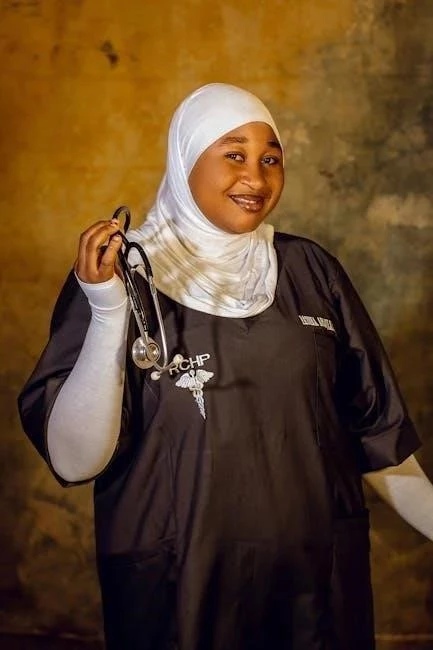
As a registered nurse serving the diverse neighborhoods of New York City‚ I have seen firsthand the profound impact that culturally sensitive care has on the well-being of our aging population․ For Muslim families‚ home care is not just about medical monitoring; it is about preserving the dignity of a loved one within the framework of their faith and traditions․ Choosing the right path for your parents or grandparents requires a partner who understands the nuances of Islamic life while providing expert clinical oversight․ We are dedicated to ensuring that your family receives the highest standard of support‚ allowing your elders to age gracefully and comfortably in the sanctuary of their own homes․
Clinical Quick Answer
Specialized Muslim senior care NYC home services integrate professional clinical monitoring with strict adherence to Islamic principles‚ including Halal nutrition‚ gender-congruent caregiving‚ and accommodation for daily prayers․ A professional Nursing Assessment NYC is the essential first step to identify specific medical needs‚ mobility risks‚ and cultural preferences to create a customized care plan․ These protocols ensure that elderly patients receive high-quality medical attention while their religious values and personal modesty are fully respected and maintained;
The Critical Role of a Nursing Assessment NYC
The foundation of any successful home care arrangement is a thorough Nursing Assessment NYC․ In the context of the Muslim community‚ this assessment goes beyond checking vital signs; it is a holistic evaluation of the patient’s physical‚ emotional‚ and spiritual environment․ A registered nurse visits the home to conduct a head-to-toe physical examination‚ but also to understand the family dynamics and religious requirements that will dictate daily routines․
- Physical Health Evaluation: Monitoring chronic conditions such as diabetes‚ hypertension‚ and heart disease‚ which are prevalent in many aging populations in NYC․
- Medication Reconciliation: Reviewing all current prescriptions to ensure there are no contraindications and checking for non-Halal ingredients like porcine-derived gelatin․
- Safety and Mobility Audit: Identifying fall risks in the home‚ particularly in older NYC apartments‚ and recommending modifications to ensure the senior can move safely for prayer and daily activities․
- Nutritional Screening: Assessing the patient’s diet to ensure it meets both clinical needs (e․g․‚ low sodium) and religious Halal requirements․
- Cognitive Assessment: Screening for signs of dementia or Alzheimer’s using culturally appropriate tools to ensure the senior can follow care instructions and religious rituals․
- Social and Spiritual Needs: Documenting the patient’s desire for prayer assistance‚ Quranic recitation‚ and social interaction within the local Muslim community․
Implementing Muslim Senior Care NYC Home Protocols
When searching for Muslim senior care NYC home options‚ families look for more than just a home health aide; they look for a caregiver who shares or deeply respects their worldview․ Protocols for Muslim seniors involve a high degree of sensitivity regarding “Haya” or modesty․ This is particularly important during bathing‚ dressing‚ and medical examinations․ Caregivers are trained to minimize exposure and maintain the patient’s dignity at all times‚ adhering to the Islamic principle that the “Awrah” (private areas) must be protected․
- Gender-Congruent Care: Ensuring that male seniors are cared for by men and female seniors by women‚ which is a primary concern for many Muslim families in New York․
- Modesty During Procedures: Using towels and specialized clothing to ensure the patient is never fully exposed during clinical tasks or hygiene routines․
- Respect for Privacy: Knocking and announcing presence before entering rooms‚ a key etiquette in Islamic households that maintains a sense of security for the elder․
- Communication Etiquette: Speaking with respect and avoiding overly familiar language‚ honoring the status of the elderly as “Sheikh” or “Sheikha” within the family unit․
- Family-Centered Decision Making: Recognizing that in many Muslim cultures‚ medical decisions are made collectively by the family rather than just the individual․
Halal Nutrition and Medication Management
Dietary laws are central to the life of a Muslim senior․ In the NYC home care setting‚ managing Halal nutrition requires vigilance and clear communication․ The caregiver must ensure that all meat is Halal-certified and that no alcohol or pork products enter the kitchen․ Furthermore‚ the timing of meals may shift during holy months like Ramadan․ While many seniors are exempt from fasting due to health reasons‚ some may still wish to participate‚ requiring the nurse to adjust medication schedules and monitor hydration levels closely․
- Kitchen Sanctity: Maintaining separate utensils or areas if the household is not strictly Halal‚ though most Muslim senior care NYC home settings are fully compliant․
- Ingredient Transparency: Checking labels of processed foods for hidden additives like pepsin‚ lard‚ or alcohol-based flavorings․
- Fluid Management: Ensuring the senior remains hydrated‚ especially those with kidney issues or those who attempt to fast against medical advice․
- Vitamin and Supplement Review: Many common vitamins use gelatin capsules; nurses can help source vegan or Halal-certified alternatives․
- Blood Sugar Monitoring: For diabetic seniors‚ managing glucose levels around Suhoor and Iftar if they are participating in community events or modified fasting․
Facilitating Spiritual Wellness and Daily Salah
For many elders‚ the five daily prayers (Salah) are the most important part of their day․ A specialized home care plan includes specific time slots for prayer and ensures the senior is physically prepared․ This involves assistance with Wudu (ritual purification)․ If the senior is bedbound or has limited mobility‚ the nurse or aide provides assistance with Tayammum or helps them perform prayer through gestures‚ as permitted in Islamic jurisprudence;
- Wudu Assistance: Helping the senior reach the sink or providing a basin and water at the bedside to perform ritual washing before prayer․
- Qibla Orientation: Ensuring the senior’s bed or chair is positioned toward the Qibla (Mecca) for ease of prayer․
- Prayer Environment: Keeping the prayer area clean and free from distractions‚ ensuring prayer rugs are handled with respect․
- Recitation and Companionship: Encouraging the senior by playing recordings of the Quran or reading to them‚ which provides immense psychological comfort and reduces isolation․
- Holiday Observance: Helping the senior prepare for Eid celebrations‚ including hygiene‚ dressing in traditional attire‚ and managing social visitors․
Navigating the NYC Home Care System
Finding the right resources in New York City can be overwhelming․ Families must navigate Managed Long Term Care (MLTC) plans‚ Medicaid eligibility‚ and the Department of Health regulations․ It is vital to work with agencies that understand these bureaucratic hurdles and can advocate for the specific needs of Muslim seniors․ For more information on your rights and available services‚ you can visit the NY State DOH website․
- Medicaid Enrollment: Assistance with the application process to ensure the senior qualifies for home care hours under the Consumer Directed Personal Assistance Program (CDPAP) or traditional agency care․
- MLTC Selection: Choosing a plan that recognizes the need for culturally specific providers and does not penalize the family for requesting gender-specific caregivers․
- Advocacy for Hours: Ensuring the Nursing Assessment NYC accurately reflects the senior’s need for help with both medical tasks and religious/cultural activities․
- Community Resources: Connecting families with local Masjids and Muslim social services in boroughs like Brooklyn‚ Queens‚ and the Bronx․
- Language Access: Ensuring that translators or bilingual staff are available for seniors who prefer to speak Arabic‚ Urdu‚ Bengali‚ or other languages common in the Muslim community․
End-of-Life Care and Islamic Ethics
The final stages of life are a sacred time in the Islamic faith․ Nursing protocols must be adjusted to focus on palliative comfort while adhering to religious ethics regarding life-sustaining treatment and the transition to the hereafter․ NYC nurses trained in these protocols work closely with Imams and family members to ensure that the senior’s final days are spent in peace‚ surrounded by the sounds of the Quran and the presence of loved ones․
- Pain Management: Ensuring the senior is comfortable while remaining as cognitively present as possible for their final prayers and “Shahada” (declaration of faith)․
- Advance Directives: Documenting the patient’s wishes in a way that aligns with both New York State law and Islamic Sharia regarding end-of-life interventions․
- Post-Mortem Care: Training staff on the immediate steps to take after a passing‚ including closing the eyes‚ straightening limbs‚ and contacting the local Islamic funeral home for “Ghusl” (ritual washing)․
- Bereavement Support: Providing the family with emotional support and resources that respect the traditional three-day mourning period․
- Ethics Consultations: Facilitating discussions between medical teams and religious scholars when complex bioethical decisions arise․
Nurse Insight: In my experience‚ the most successful care plans are those where the nurse acts as a bridge between the clinical world and the family’s spiritual home․ I once worked with a family in Queens where the grandmother refused her heart medication because she feared the capsules contained porcine gelatin․ By performing a dedicated Nursing Assessment NYC and coordinating with her pharmacist to switch to a liquid formulation‚ we restored her health and her peace of mind․ Never underestimate the power of listening to a patient’s religious concerns—it is often the key to their physical recovery․
Frequently Asked Questions
What happens during the first Nursing Assessment NYC visit?
During the first visit‚ a registered nurse will review the patient’s medical history‚ current medications‚ and physical health․ In a Muslim-focused assessment‚ the nurse will also discuss the family’s specific needs regarding modesty‚ prayer times‚ and dietary restrictions to ensure the care plan is culturally compliant from day one․
How can we ensure our caregiver knows how to prepare Halal meals?
Agencies specializing in Muslim senior care NYC home services provide cultural competency training to their staff․ Additionally‚ nurses provide clear written guidelines in the care plan regarding Halal-certified ingredients‚ forbidden foods‚ and the importance of preventing cross-contamination in the kitchen․
Does NYC Medicaid cover culturally specific home care?
Yes‚ Medicaid covers home care services based on medical necessity․ Families can work with Managed Long Term Care (MLTC) plans to select agencies or use the CDPAP program to hire caregivers who understand their cultural and religious traditions‚ ensuring the care is both professional and respectful․
What if the senior wants to fast during Ramadan?
The nurse will conduct a clinical evaluation to determine if fasting is safe․ If the senior chooses to fast or perform a modified fast‚ the Nursing Assessment NYC will be updated to include frequent blood sugar checks‚ hydration monitoring‚ and adjusted medication timing to ensure the senior’s health is not compromised during the holy month․
Can the caregiver help with Wudu if the senior has mobility issues?
Absolutely․ Part of the caregiver’s role in a Muslim household is to assist with activities of daily living that include ritual purification․ The nurse will train the caregiver on how to assist with Wudu safely‚ ensuring the senior can maintain their spiritual practice of Salah with dignity and ease․
Contact ProLife Home Care NYC for a free clinical assessment:(718) 232 – 2777