Learn more about our services and how we support your recovery through home care in New York․
| Service | What It Includes | Why It Matters<br /> |
|---|---|---|
| Medication Management | Review of all prescriptions and setup of reminders | Prevents dangerous drug interactions and missed doses |
| Physical Assessment | Vital sign monitoring and head-to-toe clinical review | Detects early signs of medical decline before they become emergencies |
| Safety Assessment | Evaluation of the home for rugs, lighting, and bathroom safety | Reduces the high risk of falls in older NYC apartments |
| Care Coordination | Communication between the primary doctor and the family | Ensures everyone is following the same recovery plan |
The journey from a hospital bed at Harlem Hospital Center to the sanctuary of one's own home is a milestone for any patient․ However, in the complex landscape of the New York City healthcare system, this transition is rarely a simple walk through the doors․ It represents a significant shift in responsibility, moving from a 24-hour monitored environment to a setting where the patient and their family must manage complex medical needs․ For residents of Harlem and the surrounding Upper Manhattan neighborhoods, a successful transition is built upon the pillars of clinical oversight, environmental adaptation, and community-based support․ Achieving “Harlem Clinical Success” means more than just being discharged; it means remaining at home, recovering steadily, and avoiding the revolving door of hospital readmissions․

Understanding the Mechanics of a Harlem Hospital Center Home Health Transition
The process begins well before the patient leaves the facility on 135th Street․ The Harlem Hospital Center home health transition is a multifaceted operation involving social workers, discharge planners, and the clinical nursing staff․ The primary goal is to ensure that the level of care provided in the hospital is translated effectively into the home setting․ This is particularly challenging in NYC, where high-density living and the pace of the city can add layers of stress to a recovering patient․
A successful transition involves several key components:
- Discharge Instructions: Translating complex medical jargon into actionable steps for the patient and their family․
- Equipment Logistics: Ensuring that durable medical equipment, such as hospital beds, walkers, or oxygen concentrators, are delivered and set up before the patient arrives․
- Medication Reconciliation: Comparing the medications taken before the hospital stay with the new prescriptions provided upon discharge to prevent duplications or omissions․
- Professional Hand-off: The transfer of clinical information from the hospital staff to the home care agency that will be overseeing the recovery․
Without these elements in place, the patient is at a significantly higher risk for complications․ In Harlem, where many patients may be managing multiple chronic conditions such as diabetes, hypertension, or congestive heart failure, the margin for error is slim․ The transition must be seamless to ensure that there is no gap in care that could lead to a health crisis․
The Critical Importance of the Post-Discharge Nursing Evaluation
Once the patient is back in their residence, the first and most vital step is the initial Nursing Evaluation․ This is not merely a “check-in”; it is a formal, comprehensive clinical assessment performed by a Registered Nurse․ In the context of the NYC healthcare environment, this evaluation serves as the first line of defense against readmission․ The nurse assesses the patient's physical status, their understanding of their condition, and the safety of their environment․
During a Nursing Evaluation, the clinician will perform the following:
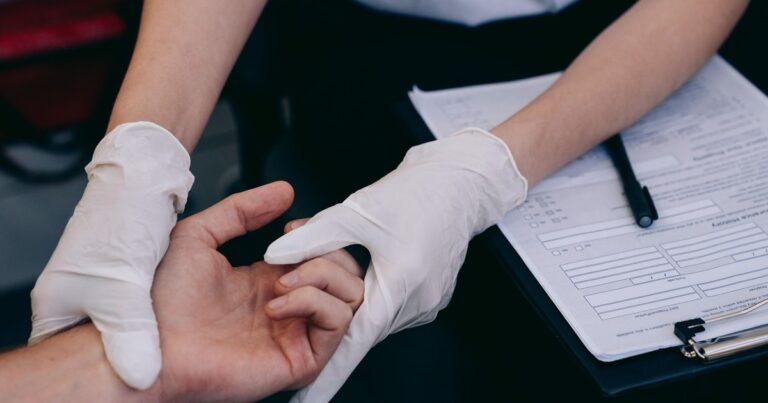
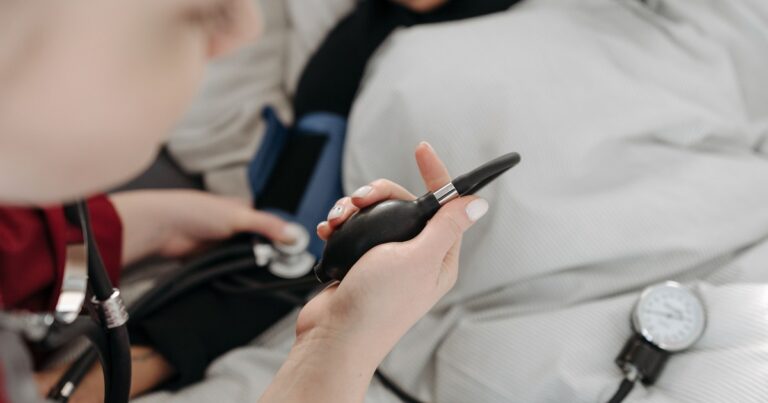
- Vitals and Physical Exam: Assessing heart rate, blood pressure, oxygen levels, and checking surgical sites or wounds for signs of infection․
- Environmental Scan: Checking for trip hazards, ensuring the patient can navigate their kitchen and bathroom safely, and verifying that they have access to a telephone and emergency contacts․
- Functional Assessment: Observing how the patient moves and performs basic tasks like standing from a chair or managing their own hygiene․
- Social Support Review: Identifying who will be assisting the patient with meals, shopping, and attending follow-up appointments․
This evaluation is the blueprint for the entire home care plan․ It identifies the specific nursing interventions needed and determines the frequency of visits from physical therapists or home health aides․ In the Harlem community, where many residents live in older apartment buildings with stairs or narrow hallways, the nurse's ability to adapt the care plan to these physical realities is essential for success․
Managing Clinical Risks in the Urban Environment
Recovering in a city like New York presents unique challenges that are often overlooked in standard medical literature․ Clinical success in Harlem requires addressing the specific risks associated with urban living․ Noise pollution, limited access to fresh groceries in certain areas, and the logistical difficulty of getting to follow-up appointments can all hinder a patient's progress․
Key risks that the Harlem Hospital Center home health transition must address include:
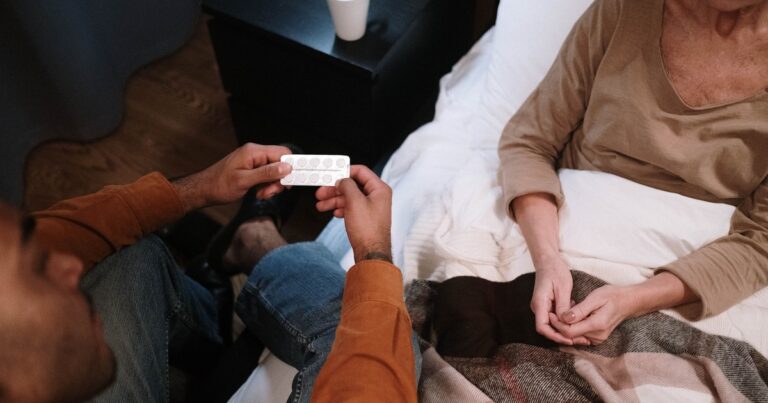
- Non-Adherence to Medication: In the chaos of returning home, patients may become overwhelmed by new pill schedules․ Professional home care provides the structure needed to ensure every dose is taken correctly․
- Nutritional Gaps: Healing requires proper nutrition․ Home care providers often help coordinate meal deliveries or work with family members to ensure the patient has access to a diet that supports recovery, such as low-sodium options for heart patients․
- Social Isolation: Patients who live alone in NYC are at a higher risk for depression and slow recovery․ Regular visits from nursing staff provide necessary social interaction and psychological monitoring․
- Transportation Barriers: Missing a follow-up appointment with a specialist at Harlem Hospital or another NYC facility can lead to undetected complications․ Home care agencies often help facilitate the logistics of these visits․
By identifying these risks early through a Nursing Evaluation, the care team can implement strategies to mitigate them․ For example, if a patient cannot safely navigate the stairs to get to a pharmacy, the nurse can coordinate with a local Harlem pharmacy that offers home delivery․
The Role of Family and Caregivers in Harlem Healthcare
Family support is the backbone of the Harlem community, and it plays a decisive role in clinical success․ However, even the most dedicated family members are often not trained in medical procedures or the complexities of wound care and symptom management․ The home health transition process must include a heavy emphasis on caregiver education․
Professional home care nurses act as educators, teaching family members how to:
- Recognize “Red Flag” symptoms that require a call to the doctor or a return to the hospital․
- Properly assist with transfers (moving from bed to chair) to avoid injuring themselves or the patient․
- Manage medical equipment safely, such as ensuring oxygen tanks are stored correctly․
- Provide emotional support while also encouraging the patient to regain their independence through prescribed physical therapy exercises․
This partnership between professional clinicians and family caregivers creates a “safety net” around the patient․ In the busy neighborhoods of Upper Manhattan, knowing that a professional nurse is just a phone call away provides immense peace of mind to families who are trying to balance their own work lives with the demands of caring for a loved one․
Navigating the NYC Healthcare System for Long-Term Wellness
The ultimate goal of a Harlem Hospital Center home health transition is not just a short-term recovery, but a return to long-term wellness and independence․ The New York City healthcare system is vast, and after the initial home care period ends, patients must be prepared to manage their health within the community․ This involves transitioning from home-based care to outpatient services and primary care․
A high-quality Nursing Evaluation looks forward to this phase by:
- Empowering the Patient: Teaching self-management skills for chronic conditions so the patient feels confident in their own care․
- Connecting to Community Resources: Identifying local senior centers, support groups, or exercise programs in Harlem that can support ongoing health․
- Ensuring Continuity of Care: Making sure the primary care physician receives all the notes from the home care period so the patient’s medical record is up to date․
Success is defined by the patient's ability to enjoy their life in Harlem-walking in Marcus Garvey Park, visiting with neighbors, and participating in the vibrant culture of the neighborhood-without the constant fear of a medical relapse․ Professional home care provides the bridge that makes this possible․
Practical Steps for Families Preparing for Discharge
If you have a loved one currently at Harlem Hospital Center, taking proactive steps can make the transition much smoother․ Preparation is the enemy of complication․ Families should begin communicating with the hospital’s social work department as soon as the patient is stabilized․
Practical steps to take today include:
- Ask for a Care Meeting: Request a meeting with the discharge planner to discuss the anticipated needs at home․
- Select a Preferred Agency: You have the right to choose which home care agency will provide your Nursing Evaluation and subsequent care․
- Prepare the Home: Clear paths, install nightlights, and ensure the patient's bed is on the most accessible floor if possible․
- Review the Medication List: Ask the hospital doctor to clarify which pre-hospital medications should be stopped and which should be continued․
By taking an active role in the Harlem Hospital Center home health transition, families can ensure that the clinical success achieved within the hospital walls continues at home․ The combination of professional nursing expertise and dedicated family support is the most effective formula for a safe, healthy, and lasting recovery in the heart of New York City․
Contact ProLife Home Care NYC for a free clinical assessment:(718) 232 – 2777Frequently Asked Questions
What is a Harlem Hospital Center home health transition?
It is the structured process of moving a patient from hospital care to home-based recovery, involving clinical coordination and professional nursing oversight․
Why is a Nursing Evaluation necessary after leaving Harlem Hospital?
The evaluation identifies hidden health risks, ensures medications are correct, and assesses the home for safety hazards that could cause a readmission․
How soon should the home care team visit after discharge?
Ideally, the first Nursing Evaluation should occur within 24 to 48 hours of the patient returning home to Upper Manhattan․
Can a Nursing Evaluation help prevent falls in NYC apartments?
Yes, nurses specifically look for hazards common in Harlem homes, such as steep stairs, loose rugs, and inadequate lighting, and suggest modifications․
What if the patient lives alone after their Harlem Hospital stay?
The home health transition plan will include increased clinical visits and help coordinating community resources to ensure the patient is not isolated and remains safe․
Contact ProLife Home Care NYC for a free clinical assessment: (718) 232-2777