{
“@context”: “https://schema.org”,
“@type”: “FAQPage”,
“mainEntity”: [
{
“@type”: “Question”,
“name”: “How does the Senior nutrition budget NYC 2026 affect meal delivery?”,
“answer”: {
“@type”: “Answer”,
“text”: “The 2026 budget includes expanded funding for home-delivered meals to account for inflation and an aging population, reducing wait times for seniors who are homebound and require nutritional support.”
}
},
{ “@type”: “Question”,
“name”: “What are the primary Nutrition Food Resources available for NYC seniors?”,
“answer”: {
“@type”: “Answer”,
“text”: “Key resources include the Supplemental Nutrition Assistance Program (SNAP), the Commodity Supplemental Food Program (CSFP), the Senior Farmers’ Market Nutrition Program, and congregate meals at local senior centers.”
}
},
{
“@type”: “Question”,
“name”: “Can I receive meals that cater to specific medical diets?”,
“answer”: {
“@type”: “Answer”,
“text”: “Yes, many NYC programs provide medically tailored meals, including low-sodium, diabetic-friendly, renal-friendly, and heart-healthy options, often facilitated through partnerships with organizations like God’s Love We Deliver.”
}
},
{
“@type”: “Question”,
“name”: “Is there a cost for these senior nutrition programs in NYC?”,
“answer”: {
“@type”: “Answer”,
“text”: “Most NYC Department for the Aging (DFTA) meal programs are free or suggest a small voluntary contribution, ensuring that financial status is not a barrier to accessing healthy food.”
}
},
{
“@type”: “Question”,
“name”: “How do I apply for senior food assistance in my borough?”,
“answer”: {
“@type”: “Answer”,
“text”: “Seniors or their caregivers can call 311 and ask for Aging Connect, or visit their local borough’s Department for the Aging office to begin the assessment process for various food resources.”
}
}
]
}
As a Senior NYC Nurse who has spent decades navigating the healthcare system for our elders, I know that health starts on the kitchen table, not just in the medicine cabinet; Families often feel overwhelmed when they realize a loved one is struggling to cook or afford quality groceries, but you do not have to carry this burden alone. The Senior nutrition budget NYC 2026 has been specifically designed to ensure our aging community has access to fresh, healthy, and culturally appropriate meals. By understanding these resources, we can ensure your family members maintain their independence, strength, and dignity in the comfort of their own homes.
Clinical Quick Answer
The Senior nutrition budget NYC 2026 prioritizes the expansion of home-delivered meals and the enhancement of congregate dining programs to combat food insecurity among residents aged 60 and older. These essential Nutrition Food Resources are integrated with medical care to provide therapeutic diets that manage chronic conditions like hypertension and diabetes. To access these services, NYC residents should utilize the 311 Aging Connect system to be matched with borough-specific programs funded by the Department for the Aging.
Understanding the Senior Nutrition Budget NYC 2026
The fiscal planning for the year 2026 marks a significant turning point in how New York City addresses the nutritional needs of its older population. With an aging demographic that is growing faster than any other age group in the five boroughs, the city has allocated substantial funds to ensure that the infrastructure of food delivery remains robust. This budget isn’t just about food; it is about the logistics of delivery, the quality of ingredients, and the professional staff required to manage these programs. Key aspects of the budget focus on:
- Increased funding for the Department for the Aging (DFTA) to reduce the backlog of applicants for home-delivered meal services.
- Adjustments for food price inflation, ensuring that the caloric and nutritional density of meals is not compromised by rising market costs.
- Technological upgrades for tracking delivery and monitoring the nutritional status of recipients in real-time.
- Capital investments in senior center kitchens to modernize equipment and meet higher safety standards.
- Expansion of ‘Halal’ and ‘Kosher’ meal options to reflect the diverse cultural fabric of NYC's elderly population.
- Grant allocations for non-profit partners that bridge the gap between emergency food pantries and long-term nutritional support.
For families, this means more reliable service and a wider variety of options. As a nurse, I have seen how these budget increases directly correlate to fewer hospital readmissions for malnutrition and dehydration, which are common issues when food budgets are tight.
Essential Nutrition Food Resources in the Five Boroughs
Navigating the landscape of Nutrition Food Resources in NYC requires an understanding of both federal and local programs. Many seniors are eligible for multiple layers of support that can be used concurrently to maximize their nutritional intake. These resources are designed to provide a safety net that covers everything from fresh produce to fully prepared meals; Significant resources include:
- SNAP (Supplemental Nutrition Assistance Program): Often referred to as food stamps, SNAP provides monthly funds on an EBT card. In 2026, streamlined application processes for those over 60 make this resource more accessible than ever.
- CSFP (Commodity Supplemental Food Program): This program provides a monthly box of shelf-stable, healthy foods specifically for low-income seniors. These boxes typically include canned fruits and vegetables, protein sources, and fortified cereals.
- Senior Farmers’ Market Nutrition Program (SFMNP): During the growing season, eligible seniors receive coupons that can be exchanged for fresh, locally grown fruits, vegetables, and herbs at authorized farmers’ markets.
- GetFoodNYC: A legacy program that continues to provide emergency food assistance to those who cannot leave their homes or have immediate food needs.
- Food Pantries and Soup Kitchens: A network of community-based organizations that provide groceries and hot meals with no questions asked, often located in local churches or community centers.
By layering these resources, a senior can ensure their pantry is stocked with staples while also receiving the fresh produce necessary for a heart-healthy diet. This multifaceted approach is the gold standard for healthy aging in an urban environment like New York City.
The Clinical Importance of Home-Delivered Meals
Home-delivered meals, commonly known as Meals on Wheels, are a cornerstone of the Senior nutrition budget NYC 2026. For a senior who is recovering from surgery or managing a mobility-limiting condition like severe arthritis, these meals are a lifeline. From a clinical perspective, these programs provide much more than just calories. They provide a standardized nutritional profile that is essential for maintaining muscle mass and preventing sarcopenia.
- Therapeutic Customization: Programs now offer meals tailored for chronic diseases. This includes low-sodium options for congestive heart failure and carbohydrate-controlled meals for diabetic patients.
- Regular Wellness Checks: The delivery personnel are often the only person a senior sees in a day. They are trained to report any changes in the senior’s appearance or living conditions to the social service agencies.
- Reliable Hydration: Many meal plans include milk, juice, or water, helping to prevent the chronic dehydration that frequently leads to urinary tract infections and confusion in the elderly.
- Portion Control: Prepared meals help seniors maintain a healthy weight by providing appropriate portion sizes, which is often a challenge when cooking for one.
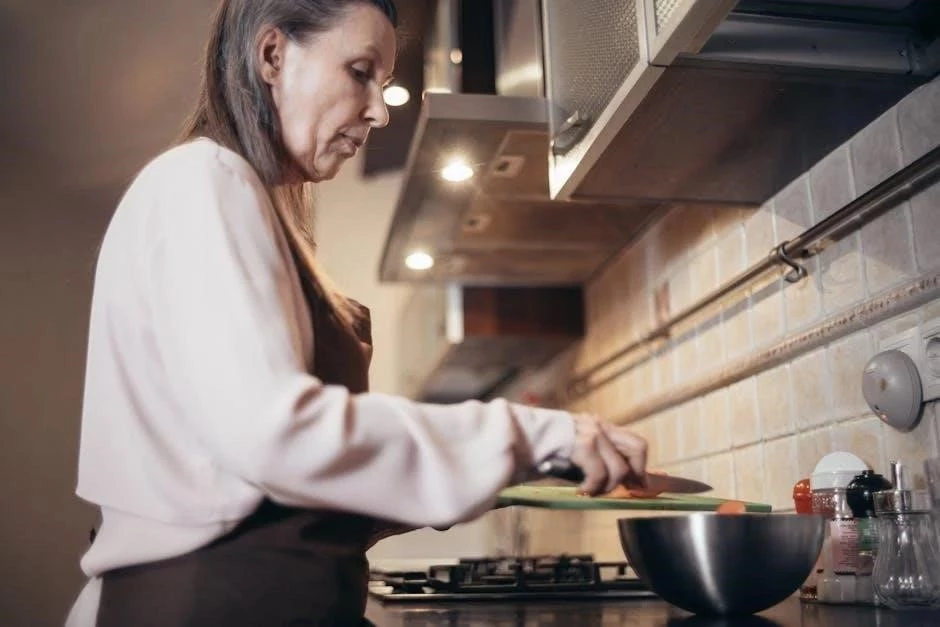
Clinicians and families should view these meals as a part of the medical treatment plan. When a patient has a consistent supply of nutritious food, their medication works better, their energy levels stabilize, and their mental clarity improves significantly.
Congregate Dining and Social Nutrition
Nutrition is not just about the food; it is also about the social environment in which it is consumed. The NYC Department for the Aging operates hundreds of senior centers across the five boroughs where congregate meals are served. These centers are vital components of the city’s strategy for healthy aging. The 2026 budget has prioritized these centers as hubs for “social nutrition,” which addresses both physical hunger and the epidemic of loneliness among the elderly.
- Mental Health Benefits: Eating with peers reduces isolation, which is a major risk factor for depression and cognitive decline.
- Educational Programming: Many centers offer nutrition workshops, cooking classes, and health screenings alongside the meal service.
- Physical Activity: Attending a center encourages seniors to walk or take public transportation, incorporating physical movement into their daily routine.
- Cost Efficiency: Congregate meals are highly cost-effective for the city, allowing the budget to stretch further and serve more residents than individual deliveries.
In my nursing practice, I often recommend congregate dining for patients who are physically able to travel. The psychological boost of being part of a community can improve appetite and lead to better overall health outcomes. You can find more information on statewide initiatives at the NY State DOH website.
Managing Chronic Conditions Through Targeted Nutrition
The link between diet and chronic disease management is undeniable, especially in the geriatric population. The Nutrition Food Resources in NYC are increasingly focusing on ‘Food as Medicine.’ This approach recognizes that high-quality nutrition can reduce the need for high doses of medication and prevent acute flares of chronic conditions. The 2026 initiatives include specific protocols for:
- Hypertension Management: Menus are designed following the DASH (Dietary Approaches to Stop Hypertension) diet, emphasizing low sodium and high potassium.
- Bone Health: Increased focus on calcium and Vitamin D fortification in senior meals to reduce the risk of fractures and osteoporosis.
- Cognitive Health: Incorporating ‘brain foods’ rich in omega-3 fatty acids and antioxidants to support memory and cognitive function.
- Kidney Health: Renal-friendly meal options for seniors with Stage 3 or 4 Chronic Kidney Disease, which require strict limitations on phosphorus and potassium.
By utilizing these targeted programs, families can feel confident that their loved ones are receiving the specific nutrients required for their medical profile. This proactive approach to nutrition is a key strategy for reducing the overall cost of healthcare in New York City by keeping seniors out of the emergency room.
How Families Can Access and Navigate These Services
The most frequent question I get from families is, “How do we start?” The NYC system is comprehensive, but it can feel complex. The goal for 2026 is to make the entry point as seamless as possible. Here is a step-by-step guide for families to secure nutritional support for an elderly relative:
- Call 311: This is the primary gateway. Ask for ‘Aging Connect.’ This service will connect you with a specialist who can assess your needs and provide local referrals.
- Identify Your Local NORC: Naturally Occurring Retirement Communities (NORCs) often have their own dedicated nutritionists and meal programs.
- Gather Documentation: Have proof of age, residency, and any medical diagnosis ready. While many programs are not strictly income-based, having financial information available can help identify eligibility for SNAP or CSFP.
- Request a Clinical Assessment: If your loved one is homebound, request a DFTA caseworker to visit the home. This assessment is required for home-delivered meals.
- Consult with Your Primary Care Physician: Ask the doctor to write a prescription or a letter of medical necessity for medically tailored meals. This can often speed up the approval process for specialized programs.
Navigating these steps early-before a crisis occurs-is the best way to ensure a stable and healthy environment for aging at home. The resources are there; they just require the first step of outreach from a concerned family member or caregiver.
Nurse Insight: In my experience, the biggest hurdle for seniors is often the pride they feel in being self-sufficient. I have seen many patients hide the fact that they are skipping meals because they don’t want to ‘bother’ anyone or feel like they are taking charity. When you approach these conversations with your parents or grandparents, frame it as a ‘wellness benefit’ they have earned as a lifelong New Yorker. Remind them that using the Senior nutrition budget NYC 2026 is a smart way to stay healthy and independent for as long as possible. Don’t wait for them to lose weight or become weak; start the conversation about Nutrition Food Resources today.
Frequently Asked Questions
How does the Senior nutrition budget NYC 2026 affect meal delivery?
The 2026 budget includes expanded funding for home-delivered meals to account for inflation and an aging population, reducing wait times for seniors who are homebound and require nutritional support.
What are the primary Nutrition Food Resources available for NYC seniors?
Key resources include the Supplemental Nutrition Assistance Program (SNAP), the Commodity Supplemental Food Program (CSFP), the Senior Farmers’ Market Nutrition Program, and congregate meals at local senior centers.
Can I receive meals that cater to specific medical diets?
Yes, many NYC programs provide medically tailored meals, including low-sodium, diabetic-friendly, renal-friendly, and heart-healthy options, often facilitated through partnerships with organizations like God’s Love We Deliver.
Is there a cost for these senior nutrition programs in NYC?
Most NYC Department for the Aging (DFTA) meal programs are free or suggest a small voluntary contribution, ensuring that financial status is not a barrier to accessing healthy food.
How do I apply for senior food assistance in my borough?
Seniors or their caregivers can call 311 and ask for Aging Connect, or visit their local borough’s Department for the Aging office to begin the assessment process for various food resources.
Contact ProLife Home Care NYC for a free clinical assessment:(718) 232 – 2777
Contact ProLife Home Care NYC for a free clinical assessment: (718) 232-2777