For families living in the concrete jungle of New York City, summer heatwaves bring more than just discomfort; they present a serious risk to our aging loved ones․ As temperatures soar, the physiological ability of seniors to regulate their body heat declines, making constant monitoring a necessity rather than a luxury․ Implementing modern technology allows families to maintain a protective watch over their parents and grandparents even when they cannot be physically present․ Ensuring a safe, cool environment is the most compassionate step we can take to honor and protect the seniors who built our communities․
Clinical Quick Answer
Protecting NYC seniors during extreme heat requires a proactive approach that combines physiological monitoring with environmental management․ By utilizing Smart home temperature control NYC, caregivers can remotely adjust cooling systems to prevent heat-related exacerbations of chronic conditions․ This technological intervention is vital in addressing the Top Health Issues NYC residents face, such as cardiovascular strain and respiratory distress caused by high humidity and urban heat islands․
Understanding the Biological Risks of Heat for NYC Seniors
The aging process significantly alters how the human body responds to thermal stress․ For seniors living in high-density areas like Brooklyn or the Bronx, the “Urban Heat Island” effect keeps temperatures elevated even during the night, providing no relief for the cardiovascular system․ Clinically, we observe that older adults have a reduced sweat response and diminished thirst sensation, which leads to rapid dehydration and hyperthermia before the individual even realizes they are in danger․
- Reduced Thermoregulation: Aging skin is thinner and has fewer sweat glands, making it difficult for the body to cool down through evaporation․
- Cardiovascular Strain: In extreme heat, the heart must pump significantly more blood to the skin to dissipate heat, which can trigger heart failure in vulnerable patients․
- Dehydration Risks: Many seniors take medications like diuretics for hypertension, which further deplete fluids and electrolytes during a heatwave․
- Cognitive Decline Complications: Patients with dementia may forget to turn on air conditioning or fail to dress appropriately for the rising temperature․
- Respiratory Impact: High heat in NYC is often accompanied by poor air quality and high ozone levels, exacerbating COPD and asthma․
- Social Isolation: Many seniors live alone in walk-up apartments, where heat rises and ventilation may be inadequate, making them “invisible” victims of weather events․
The Role of Smart Home Temperature Control NYC in Preventive Care
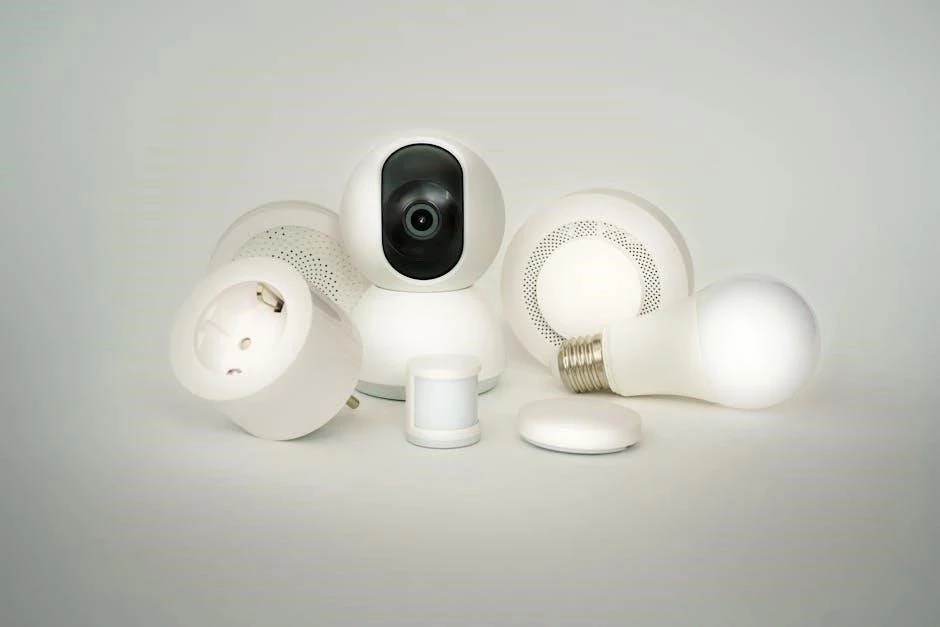
Modern Internet of Things (IoT) technology has revolutionized home care by providing real-time data to off-site family members and medical professionals․ Smart home temperature control NYC systems are no longer just about convenience; they are life-saving medical tools․ These systems allow for the setting of “safety floors” and “safety ceilings” for temperature and humidity, ensuring that an apartment never reaches a dangerous state․
- Remote Thermostat Adjustments: Caregivers can use smartphone apps to check the indoor temperature of a senior’s home and lower the A/C from their office or another borough․
- Automated Alerts: IoT sensors can send push notifications to multiple family members if the internal temperature exceeds 78 degrees Fahrenheit․
- Humidity Monitoring: High humidity prevents sweat from evaporating; smart sensors can trigger dehumidifiers to maintain a safe “feels like” temperature․
- Integration with Smart Plugs: For seniors using older window units, smart plugs can allow remote activation or scheduling of cooling devices․
- Geofencing Features: Systems can be programmed to cool the home automatically when a senior returns from an appointment, preventing them from entering a sweltering environment․
- Energy Efficiency Monitoring: Smart systems can alert families if an A/C unit is failing or drawing unusual amounts of power, signaling a need for immediate maintenance․
Addressing Top Health Issues NYC Through Climate Management
In New York City, the intersection of poverty, aging, and chronic disease creates a unique public health challenge․ When we look at the Top Health Issues NYC faces, we see that heat acts as a catalyst for emergency room visits․ By controlling the micro-climate within a senior’s home, we directly mitigate the risks associated with the city’s most prevalent health concerns․
- Hypertension and Heart Disease: Stable temperatures prevent the heart from overworking, reducing the risk of myocardial infarction during the humid July and August months․
- Diabetes Management: Extreme heat can change how the body uses insulin, and dehydration can raise blood glucose levels; climate control helps maintain metabolic stability․
- Chronic Obstructive Pulmonary Disease (COPD): IoT systems with air filtration can monitor particulate matter and keep indoor air clean and cool, preventing respiratory failure․
- Chronic Kidney Disease: By keeping seniors cool, we reduce the fluid loss that puts immense pressure on kidney function․
- Mental Health and Sleep: Heat exhaustion leads to irritability, sleep deprivation, and increased risk of falls; a cool room ensures restorative sleep․
- Medication Efficacy: Many common medications, including insulin and certain psychotropic drugs, lose their potency if stored in a room that exceeds 86 degrees․
Implementing a Multi-Layered IoT Safety Net
A comprehensive safety strategy involves more than just a thermostat․ To truly protect a senior, families should consider a suite of connected devices that provide a holistic view of the home environment․ This “safety net” ensures that even if one device fails, the caregiver remains informed of the senior’s status․
- Smart Water Leak Sensors: Often, A/C units in NYC apartments can leak; sensors prevent water damage and ensure the cooling unit is functioning correctly․
- Motion and Contact Sensors: These can tell a caregiver if a senior has opened a window during a heatwave, which may counteract the air conditioning and let in pollutants․
- Voice-Activated Assistants: Devices like Alexa or Google Home allow seniors to call for help or adjust the temperature using only their voice if they are too weak to move․
- Smart Lighting: Reducing heat from incandescent bulbs by switching to connected LEDs that can be dimmed remotely to keep the apartment cool․
- Wearable Health Monitors: Smartwatches can track heart rate and skin temperature, alerting caregivers if the senior’s vitals indicate heat exhaustion․
- Battery Backups: Ensuring that IoT hubs have a power source in the event of a local NYC power grid brownout during peak demand․
Financial Assistance and NYC Programs for Cooling
One of the biggest barriers to maintaining a safe temperature is the cost of electricity and equipment․ New York City offers several programs to help low-income seniors and those with medical conditions manage these costs․ Navigating these systems is a crucial part of the caregiving process․
- HEAP (Home Energy Assistance Program): Provides financial assistance to help eligible New Yorkers pay for heating and cooling․
- Cooling Assistance Benefit: A specific branch of HEAP that can provide a free air conditioner and installation for those with documented medical needs․
- Con Edison Medical Emergency Program: Ensures that power is not shut off for residents with life-sustaining medical equipment and provides alerts during outages․
- NYC Cooling Centers: While IoT helps at home, the city opens hundreds of air-conditioned public spaces during heat emergencies for those whose home systems fail․
- Weatherization Assistance Program (WAP): Helps improve the energy efficiency of homes, making them naturally cooler and reducing the strain on A/C units․
- Medicaid Managed Long Term Care (MLTC): Some plans may assist with environmental modifications or provide coordination for social services related to home safety․
Clinical Red Flags and Emergency Response Protocols
Even with the best technology, caregivers must know when to transition from home monitoring to emergency intervention․ Understanding the clinical signs of heat stroke versus heat exhaustion is vital for anyone caring for a senior in NYC․
- Heat Exhaustion Symptoms: Heavy sweating, rapid pulse, dizziness, and nausea․ IoT data showing a rise in room temperature should prompt an immediate check-in․
- Heat Stroke (Medical Emergency): High body temperature (103F+), hot/dry skin, rapid strong pulse, and confusion․ If a camera or voice check shows these signs, call 911 immediately․
- Hydration Checks: If a smart scale shows a sudden drop in weight during a heatwave, it is likely a sign of dangerous fluid loss․
- The “Buddy System”: Technology should augment, not replace, human contact․ Ensure a neighbor has a key and knows how to use the smart lock․
- Emergency Power Plan: Have a list of nearby NYC Cooling Centers and a plan for transport if the apartment’s smart system loses power․
- Post-Heatwave Follow-up: Heat stress can have a “lag effect,” where cardiovascular issues appear several days after the temperature drops․
Nurse Insight: In my experience working with NYC Medicaid recipients, the most dangerous hours aren’t just in the afternoon, but the late evening when the brick buildings release all the heat they absorbed during the day․ I have seen many seniors turn off their air conditioning at night to save money, only to suffer from respiratory distress by 2:00 AM․ Using smart home temperature control NYC allows us to set a “minimum safety cooling” schedule that the senior doesn’t have to worry about managing, ensuring they stay safe through those critical overnight hours without the stress of high utility bills․
Frequently Asked Questions
Does Medicaid pay for smart thermostats or air conditioning in NYC?
What is the safest temperature for a senior’s home during an NYC heatwave?
Can I monitor my parents A/C remotely if they do not have Wi-Fi?
How do heatwaves affect Top Health Issues NYC residents face like asthma?
What should I do if my smart sensor shows my loved ones home is dangerously hot?
Contact ProLife Home Care NYC for a free clinical assessment:(718) 232 – 2777
Contact ProLife Home Care NYC for a free clinical assessment: (718) 232-2777