As a nurse working in New York City, I have stood by the bedside of countless families facing the heartbreaking moment when a loved one’s mind is willing, but their body is too frail to hold a pen. It is a profound dignity issue; seeing a once-strong parent struggle to sign their name can be emotionally devastating, but it does not mean they have lost their voice or their rights. We must approach this situation with immense patience, understanding that physical frailty is distinct from mental incapacity. My goal here is to guide you through the clinical and practical methods to assist your loved one safely and legally.
Clinical Quick Answer
If a senior is physically weak, New York law permits a ‘signature by mark’ (typically an X) if witnessed properly, or the use of adaptive tools like weighted pens to stabilize tremors. From a clinical perspective, ensure the patient is seated upright with forearm support to maximize motor control, while verifying they are cognitively alert and free from heavy sedation before signing. If physical movement is impossible, a pre-established Power of Attorney should be utilized to execute documents on their behalf.
Differentiating Clinical Weakness from Cognitive Decline
Before attempting to facilitate a signature, it is vital to distinguish between motor weakness and a lack of capacity. As a nurse, I often see families confuse a shaky hand with a confused mind, but they are clinically distinct issues.
- Assess Alertness (A&O Status): Ensure the senior is Alert and Oriented to Person, Place, and Time. Ask them to explain back to you what the document is. If they understand the document but cannot hold the pen, proceed with physical assistance.
- Review Medication Timing: Do not attempt to have important documents signed immediately after the administration of opioids, benzodiazepines, or heavy sedatives. Wait for the ‘lucid window’ where pain is managed but cognition is clear.
- Identify the Physical Barrier: Is it an Essential Tremor? Parkinsonian rigidity? Severe arthritis? Or general sarcopenia (muscle wasting)? Knowing the root cause helps in selecting the right adaptive technique.
- Document the Context: If you are in a hospital or nursing facility, ask the nurse to document in the chart that the patient was alert and consented to the signing, despite physical limitations.
Ergonomics and Positioning for Success
Many seniors fail to sign documents simply because they are positioned poorly. Signing a document while lying flat on a back in a hospital bed is difficult even for a healthy person. Proper biomechanics can restore function temporarily.
- Sit Upright (High Fowler’s Position): Elevate the head of the bed to 90 degrees or move the senior to a chair. Core stability supports arm stability. Senior Blood Lab
- The Overbed Table: Use a firm surface. Do not place a clipboard on a soft mattress or a pillow, as this requires the senior to exert more pressure than they are capable of.
- Forearm Stabilization: This is a key occupational therapy trick. Ensure the senior’s elbow and forearm are resting firmly on the table. They should only be moving their wrist or fingers, not the whole arm.
- Lighting: NYC apartments and hospital rooms can be dim. Use a bright, direct light so the senior can clearly see the signature line, reducing the anxiety that causes hesitation and shaking.
Adaptive Equipment and Writing Tools
Standard ballpoint pens are often too thin and slippery for a weak grip. Using the right tools can make a massive difference in legibility and ease.
- Weighted Pens: These are heavier than normal pens. The extra weight provides sensory feedback to the hand and dampens tremors.
- Wide-Barrel Pens: A thicker grip reduces the need to squeeze tight. You can improvise this by wrapping a standard pen in medical tape or sliding it through a foam hair roller.
- Felt-Tip Markers vs. Ballpoint: Ballpoint pens require downward pressure to release ink. Felt-tip pens or gel pens glide with almost zero friction, making them ideal for seniors with low muscle tone.
- Signature Guides: Use a piece of dark cardboard or a plastic credit card to create a straight edge just below the signature line. This gives the senior a visual and physical anchor.
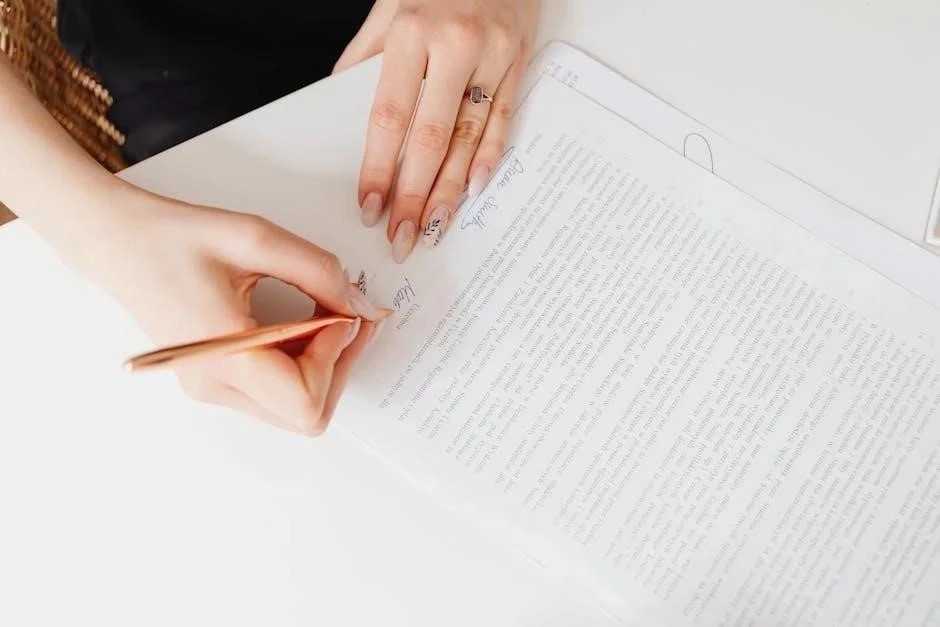
The “Signature by Mark” in New York State
When writing a full name is clinically impossible due to advanced weakness or paralysis, New York State law allows for a “Signature by Mark.” This is a critical option for families to understand.
- The “X” Mark: A senior can make an “X” or any other mark. As long as it is their intent for that mark to represent their signature, it is valid.
- Witness Requirements: This almost always requires two witnesses. The witnesses observe the senior making the mark.
- Writing the Name: typically, a witness will write the senior’s full legal name near the mark and sign their own name as a witness to the mark.
- Notary Protocols: If the document requires notarization (like a Power of Attorney), the notary must see the mark being made. In NYC hospitals, notaries are trained to handle these specific scenarios.
Navigating Official Forms and Healthcare Proxies
Many of the documents you will be signing relate to medical care and end-of-life decisions. The NY State DOH provides specific forms that are designed to be user-friendly, but strict adherence to protocol is necessary.
- The MOLST Form: The Medical Orders for Life-Sustaining Treatment is bright pink. A physician signs this, but patient consent is key. A verbal assent witnessed by two people can sometimes substitute for a signature if the patient is physically unable to sign at all, depending on facility policy.
- Healthcare Proxy: This document appoints someone to speak for the senior. If the senior cannot sign, they can direct another person to sign for them in their presence. This “proxy signer” cannot be the person being appointed as the agent.
- HIPAA Releases: These are less formal than POAs but still require a signature. A shaky signature is generally accepted by medical records departments as long as it matches the general characteristics of the patient’s hand.
- Digital Signatures: Many NYC hospital systems (like NYU Langone or Mount Sinai) now utilize e-signatures on tablets. This can be easier for some seniors as a finger swipe requires less dexterity than gripping a pen.
When to Stop: Recognizing the Limit
There is a clinical and ethical line where “encouraging” becomes “forcing.” As a nurse, I advocate for the patient’s comfort above bureaucratic needs.
- Watch for Pain: If the act of gripping a pen causes grimacing or vocalized pain, stop immediately.
- Frustration and Agitation: If the senior becomes tearful or agitated because they cannot perform the task, pause. Increased anxiety increases tremors.
- Switch to Power of Attorney (POA): If you already have a POA in place, stop trying to make the weak senior sign. The POA exists for this exact moment. You can sign as “John Doe, as agent for Jane Doe.”
- Consult Social Work: If there is no POA and the senior cannot sign, request a consultation with the hospital social worker to discuss legal guardianship or other avenues to assist without causing distress.
Nurse Insight: In my experience, the anxiety of signing is often worse than the weakness itself. I have seen seniors’ blood pressure spike simply because a lawyer walked into the room. Before you hand them the pen, hold their hand for a moment. Massage the palm gently to warm up the muscles. Tell them, “Take your time, there is no rush, and it doesn’t have to be perfect.” When they feel safe and unhurried, their motor control often improves just enough to get the job done. Dignity is the best medicine here.
Frequently Asked Questions
Is a shaky signature legally valid in NYC?
Yes, a signature does not need to be perfect or match a driver’s license exactly to be valid. The key factor is the identity of the signer and their intent. If the signature is illegible, having it notarized or witnessed by disinterested parties helps prove validity.
Can I hold the pen for my mother while she signs?
You can support her arm or wrist to stabilize it, but you generally should not hold the pen itself or guide the geometry of the letters. This is known as “hand-over-hand” signing and can be legally challenged as undue influence. It is safer to use a “signature by mark” (an X) if she cannot move the pen herself.
What is a ‘Notary with Credible Witnesses’?
If a senior does not have a valid ID (or looks very different from their old ID) and cannot sign clearly, a notary can use “credible witnesses.” These are people who know the signer, swear to their identity, and sign the notary journal. This is common in long-term care settings.
Does Medicaid require a ‘perfect’ signature?
Medicaid caseworkers in NYC are accustomed to reviewing applications from seniors with physical limitations. They generally accept signatures that show signs of tremor or weakness. However, consistency is good; if the signature varies wildly, include a doctor’s note explaining the medical condition.
Are thumbprints used instead of signatures?
In some legal contexts and banking institutions, a thumbprint may be required alongside a mark (X) to verify identity, but a thumbprint alone is rarely a substitute for a signature on legal documents like a Will or Power of Attorney in New York. Always check the specific document requirements.
Contact ProLife Home Care NYC for a free clinical assessment:(718) 232 – 2777
Contact ProLife Home Care NYC for a free clinical assessment: (718) 232-2777