{
“@context”: “https://schema.org”‚
“@type”: “FAQPage”‚
“mainEntity”: [
{
“@type”: “Question”‚
“name”: “What types of specialized nurse services are available for African seniors in Harlem?”‚
“acceptedAnswer”: {
“@type”: “Answer”‚
“text”: “Specialized nurse services for African seniors in Harlem include skilled nursing for chronic conditions like diabetes and hypertension‚ medication management‚ wound care‚ and culturally tailored health education that respects traditional dietary habits.”
}
}‚
{
“@type”: “Question”‚
“name”: “How can families access Medicaid-funded support for elderly immigrants?”‚
“acceptedAnswer”: {
“@type”: “Answer”‚
“text”: “Families can access support by applying for New York Medicaid and enrolling in a Managed Long-Term Care (MLTC) plan‚ which covers home-based nurse services and personal care for eligible African immigrant seniors.”
}
}‚
{ “@type”: “Question”‚
“name”: “Do home care agencies in Harlem provide linguistically appropriate care?”‚
“acceptedAnswer”: {
“@type”: “Answer”‚
“text”: “Many agencies specializing in African senior support in Harlem recruit staff who speak various dialects‚ including Twi‚ Yoruba‚ French‚ and Wolof‚ ensuring clear communication between the nurse and the patient.”
}
}‚
{
“@type”: “Question”‚
“name”: “What are the common health challenges faced by African immigrant seniors in NYC?”‚
“acceptedAnswer”: {
“@type”: “Answer”‚
“text”: “Common health challenges include high rates of cardiovascular disease‚ barriers to preventive screenings due to immigration status concerns‚ and social isolation caused by language barriers within the broader NYC healthcare system.”
}
}‚
{
“@type”: “Question”‚
“name”: “Can a family member be paid to provide care under NYC nurse services?”‚
“acceptedAnswer”: {
“@type”: “Answer”‚
“text”: “Yes‚ through the Consumer Directed Personal Assistance Program (CDPAP)‚ African immigrant families in Harlem can choose a family member to provide care‚ which is then overseen by professional nurse services for clinical safety.”
}
}
]
}
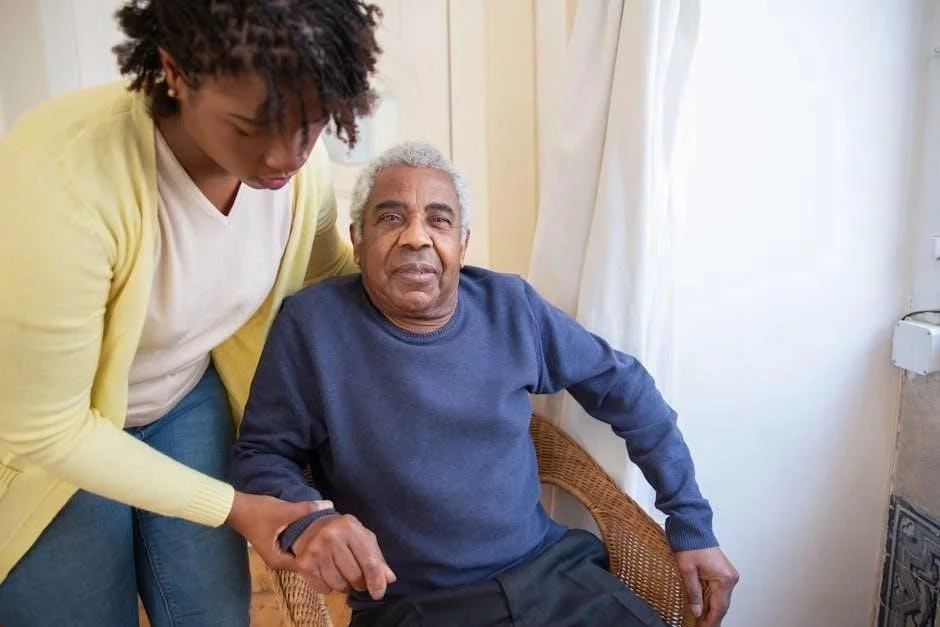
As a registered nurse serving the diverse neighborhoods of New York City‚ I have seen firsthand how deeply our African immigrant families value the wisdom and presence of their elders. Navigating the complexities of the American healthcare system can be overwhelming‚ especially when trying to maintain the cultural traditions that keep your loved ones feeling whole. Our mission is to bridge the gap between clinical necessity and cultural heritage‚ ensuring your parents and grandparents receive the dignity they deserve. By focusing on specialized African senior support Harlem NYC‚ we can create a care plan that feels like home while providing professional medical oversight.
Clinical Quick Answer
Effective African senior support Harlem NYC involves a combination of skilled Nurse Services‚ culturally competent home health aides‚ and community-based resources tailored to the West and East African diaspora. These services prioritize chronic disease management‚ linguistic accessibility‚ and navigation of New York’s Medicaid and MLTC systems to provide comprehensive at-home care. Families can access these resources through local Harlem agencies that specialize in bridging cultural gaps to improve health outcomes for aging immigrants.
Understanding the Landscape of African Senior Support Harlem NYC
Harlem has long been a cultural epicenter for the African diaspora‚ and as the population of aging immigrants grows‚ the need for specialized Nurse Services has never been more critical. African immigrant seniors often face unique challenges‚ including the “healthy immigrant effect‚” where health may decline after years of living in a high-stress urban environment like NYC. Support systems in Harlem must account for the high value placed on family-centered care and the potential distrust of institutionalized settings.
- Community Integration: Programs that connect seniors with local African markets‚ religious centers‚ and social clubs to combat isolation.
- Geographic Accessibility: Utilizing Harlem’s dense network of clinics and home care agencies to minimize travel stress for the elderly.
- Advocacy: Professional nurses acting as intermediaries between the senior and the complex NYC hospital systems.
- Resource Mapping: Identifying specific agencies in the 10026‚ 10027‚ and 10030 zip codes that have a track record of serving African communities.
For many families‚ the transition from being the sole provider of care to bringing in professional Nurse Services is an emotional journey. It requires a partner who understands that in many African cultures‚ placing a senior in a nursing home is seen as a last resort. Therefore‚ home-based support becomes the gold standard for maintaining both health and heritage.
Clinical Nurse Services and Chronic Disease Management
In the clinical realm‚ African immigrant seniors in Harlem frequently present with specific health profiles that require expert monitoring. Nurse Services play a pivotal role in managing conditions like hypertension‚ Type 2 diabetes‚ and cardiovascular disease‚ which are prevalent within this demographic. A skilled nurse does more than just check vitals; they educate the family on how to adapt traditional recipes—such as Jollof rice or fufu—to be more heart-healthy without losing their soul.
- Hypertension Monitoring: Regular blood pressure checks and medication titration in the comfort of the senior’s Harlem home.
- Diabetes Education: Teaching insulin administration and glucose monitoring while respecting traditional fasting periods like Ramadan.
- Medication Reconciliation: Ensuring that Western prescriptions do not negatively interact with traditional herbal supplements the senior may be using.
- Wound Care: Professional management of diabetic ulcers or post-surgical incisions to prevent hospital readmission.
- Preventive Screenings: Organizing mobile screenings for colon cancer and prostate health within the Harlem community.
The goal of these Nurse Services is to provide a level of clinical excellence that empowers the senior to remain independent. By managing these chronic conditions proactively‚ we can prevent the acute crises that often lead to emergency room visits at local facilities like Harlem Hospital or Mount Sinai Morningside.
Cultural Sensitivity: The Foundation of Home Care
Culture is not a secondary concern; it is the foundation of effective healthcare. For African immigrant seniors‚ “heritage” is synonymous with “health.” When a nurse enters a home in Harlem‚ they must be aware of the social hierarchies‚ the importance of religious icons‚ and the specific roles of family members. African senior support Harlem NYC is most effective when it respects these nuances.
- Language Matching: Prioritizing caregivers who speak French‚ Wolof‚ Twi‚ Yoruba‚ or Amharic to ensure clear clinical communication.
- Dietary Respect: Understanding the significance of Halal requirements or specific regional African staples in nutrition plans.
- Religious Accommodation: Scheduling nurse visits around prayer times and respecting the role of spiritual leaders in the healing process.
- Multi-Generational Communication: Engaging the adult children and grandchildren who often serve as the primary decision-makers.
True cultural sensitivity also means recognizing that “pain” or “discomfort” might be expressed differently. Some seniors may minimize symptoms to avoid worrying their families‚ while others may use metaphors to describe physical ailments. A nurse trained in cultural competency can “read between the lines” to provide accurate assessments.
Navigating Medicaid and the MLTC System in New York
The financial aspect of African senior support Harlem NYC is often the biggest hurdle for immigrant families. Fortunately‚ New York State offers robust programs designed to keep seniors at home. Understanding how to qualify for Medicaid and choose a Managed Long-Term Care (MLTC) plan is essential for accessing consistent Nurse Services.
- Medicaid Eligibility: Assisting families with the “spend-down” process or setting up Pooled Income Trusts to qualify for benefits.
- CDPAP Program: The Consumer Directed Personal Assistance Program allows seniors to hire family members as their caregivers‚ which is a popular choice in African communities.
- MLTC Enrollment: Selecting a plan that has a strong network of providers in the Harlem area.
- Documentation Support: Helping families gather the necessary residency and income documentation‚ which can be challenging for recent immigrants.
Detailed information on these programs can be found via the NY State DOH‚ which provides the regulatory framework for all home care services in the city. Navigating these bureaucratic waters requires patience and professional guidance to ensure no benefits are left on the table.
Mental Health and Combating Social Isolation
Mental health is often a taboo subject within many immigrant communities‚ yet the isolation felt by African seniors in a bustling city like NYC is a significant health risk. Nurse Services in Harlem must include a mental health component that addresses depression‚ anxiety‚ and the cognitive decline associated with dementia or Alzheimer’s.
- Social Stimulation: Encouraging participation in “senior centers without walls” or local Harlem community gardens.
- Cognitive Assessments: Early detection of memory issues using culturally unbiased screening tools.
- Support Groups: Connecting family caregivers with others who are navigating similar cultural and medical challenges.
- Intergenerational Activities: Promoting programs where youth in Harlem engage with elders to share stories and preserve heritage.
Addressing mental wellness helps improve physical health outcomes. A senior who feels connected to their community and heritage is more likely to be compliant with their medical regimen and experience a higher quality of life. Nurses act as the “eyes and ears” in the home‚ spotting signs of withdrawal or cognitive changes before they become severe.
Coordinating Care with Harlem’s Medical Infrastructure
Effective home care does not exist in a vacuum. African senior support Harlem NYC requires a seamless connection between the home‚ the local pharmacy‚ the primary care physician‚ and the hospital. Nurse Services serve as the “hub” of this wheel‚ ensuring that information flows correctly between all parties.
- Hospital Discharge Planning: Ensuring that when a senior leaves a facility like NYC Health + Hospitals/Harlem‚ the home environment is prepared for their return.
- Pharmacy Liaison: Coordinating with local Harlem pharmacies to ensure prescriptions are delivered and understood.
- Specialist Referrals: Helping families find cardiologists or podiatrists who are sensitive to the needs of the African immigrant population.
- Telehealth Support: Assisting seniors in using technology to consult with doctors‚ reducing the need for difficult physical trips to the office.
By building a “neighborhood-based” care model‚ we ensure that the senior is supported by an entire ecosystem of health professionals who are all working toward the same goal: keeping the elder safe‚ healthy‚ and culturally connected in their Harlem home.
Nurse Insight: In my experience‚ the greatest barrier to care for African immigrant seniors in Harlem isn’t a lack of love from the family‚ but a lack of trust in the system. I always tell families: you are not “giving up” on your parent by bringing in a nurse; Instead‚ you are giving them the professional tools they need to stay in the home they love. When we work together—blending your family’s traditions with our medical expertise—we create a safety net that is unbreakable. Don’t wait for a fall or a crisis to start looking for support; the best care is proactive care.
Frequently Asked Questions
What types of specialized nurse services are available for African seniors in Harlem?
Specialized nurse services for African seniors in Harlem include skilled nursing for chronic conditions like diabetes and hypertension‚ medication management‚ wound care‚ and culturally tailored health education that respects traditional dietary habits;
How can families access Medicaid-funded support for elderly immigrants?
Families can access support by applying for New York Medicaid and enrolling in a Managed Long-Term Care (MLTC) plan‚ which covers home-based nurse services and personal care for eligible African immigrant seniors.
Do home care agencies in Harlem provide linguistically appropriate care?
Many agencies specializing in African senior support in Harlem recruit staff who speak various dialects‚ including Twi‚ Yoruba‚ French‚ and Wolof‚ ensuring clear communication between the nurse and the patient.
What are the common health challenges faced by African immigrant seniors in NYC?
Common health challenges include high rates of cardiovascular disease‚ barriers to preventive screenings due to immigration status concerns‚ and social isolation caused by language barriers within the broader NYC healthcare system.
Can a family member be paid to provide care under NYC nurse services?
Yes‚ through the Consumer Directed Personal Assistance Program (CDPAP)‚ African immigrant families in Harlem can choose a family member to provide care‚ which is then overseen by professional nurse services for clinical safety.
Contact ProLife Home Care NYC for a free clinical assessment:(718) 232 – 2777