Caring for a loved one in New York City often involves managing complex schedules and ensuring their safety while you are away. Voice activated assistants for home care offer a revolutionary way for seniors to maintain their independence through simple, spoken commands. By integrating these smart devices into a daily routine, families can feel more connected and secure, knowing that help is always within earshot. Embracing this technology helps bridge the gap between clinical needs and the comfort of staying in one’s own home.
Clinical Quick Answer
Voice activated assistants for home care significantly enhance patient safety by providing hands-free access to emergency contacts and medication reminders. These tools are particularly effective when paired with professional Private Home Care services to ensure a continuous loop of communication between the patient, the caregiver, and the family. Clinically, these devices reduce the cognitive load on seniors, potentially lowering the risk of medication non-adherence and fall-related delays in care.
The Role of Voice Technology in Modern Private Home Care
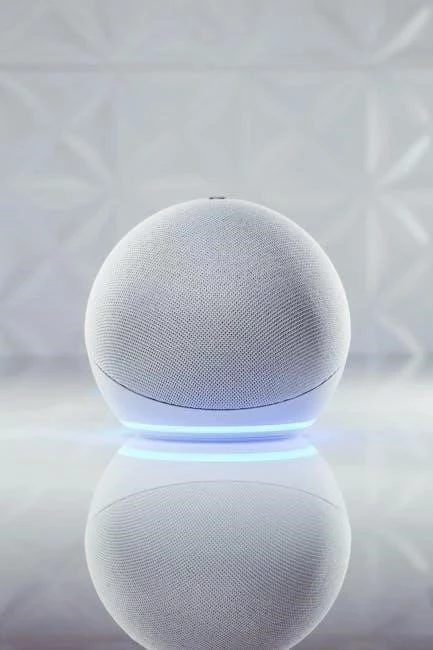
In the bustling environment of New York City, where high-rise apartments and busy schedules can lead to social isolation for the elderly, technology is becoming a cornerstone of Private Home Care. Voice activated assistants for home care are no longer just luxury items; they are essential medical aids that empower patients with mobility issues, vision impairment, or chronic illness. These devices, such as Amazon Alexa, Google Assistant, and Apple's Siri, allow for a hands-free environment where a senior can control their surroundings without needing to reach for a phone or a remote control.
- Enhancing autonomy for individuals with limited manual dexterity.
- Providing immediate verbal feedback for daily tasks and schedules.
- Reducing the physical strain of navigating a home to find communication devices.
- Integrating with smart home features like lighting and temperature control for safety.
- Facilitating instant communication with private nursing staff or family members.
Maximizing Safety with Voice Activated Assistants for Home Care
Safety is the primary concern for any family seeking Private Home Care. Traditional medical alert pendants are often forgotten on a nightstand or felt to be stigmatizing. Voice activated assistants for home care offer a more discrete and omnipresent safety net. If a patient falls and cannot reach their phone, they can simply shout for their assistant to “Call for help” or “Call my nurse.” In NYC's often-noisy neighborhoods, having a high-sensitivity microphone system can be the difference between a long night on the floor and immediate assistance.
- Immediate voice-to-text or voice-calling capabilities during emergencies.
- Elimination of the need to remember phone numbers under duress.
- Ability to set up “Check-in” routines where the device asks if the patient is okay at specific times.
- Integration with fall detection sensors that can trigger an alert via the voice assistant.
- Real-time notifications sent to the primary caregiver's smartphone in another location.
Medication Management and Health Monitoring
One of the most complex aspects of Private Home Care is the management of polypharmacy-when a patient is taking multiple medications; Voice activated assistants for home care serve as an interactive pill organizer. Instead of a silent alarm that might be ignored, a voice assistant can say, “It is time to take your heart medication,” and wait for a verbal confirmation. This interactivity ensures higher adherence rates and provides a log that health professionals can review during home visits.
- Step-by-step verbal instructions for complex medical procedures or equipment use.
- Audible reminders for hydration, dietary restrictions, and physical therapy exercises.
- Logging vitals like blood pressure or glucose levels by simply stating the numbers aloud.
- Direct synchronization with digital pharmacy records for refill notifications.
- Voice-controlled access to medical histories for emergency responders if necessary.
The Psychological Benefits of Smart Interaction
Loneliness is a significant clinical factor that can exacerbate physical ailments in the elderly. Private Home Care professionals have noted that voice activated assistants for home care provide a form of “companion tech” that helps keep the mind sharp. Engaging in daily news briefings, listening to audiobooks, or playing cognitive games via voice commands keeps the brain active. For a senior living in Manhattan or Brooklyn, being able to ask “What is the weather in Central Park?” or “Play some jazz” provides a sense of connection to the world around them.
- Reducing the feeling of isolation through interactive “conversations” and AI feedback.
- Easy access to music, podcasts, and audiobooks to maintain mental stimulation;
- Facilitating easy video or voice calls to grandchildren and friends without complex interfaces;
- Setting daily goals and positive affirmations to improve mental health outcomes.
- Helping patients stay oriented to time and date, which is crucial for those in early stages of dementia.
Privacy, Security, and Setup in the NYC Household
While the benefits are clear, families often worry about privacy when placing microphones in the home. In a Private Home Care setting, it is vital to balance the need for safety with the right to privacy. NYC families should be educated on how to secure these devices, using features like physical mute buttons and managing data storage settings. Professional installation by a technician familiar with senior needs can ensure that the device is optimized for the specific acoustics of an NYC apartment while maintaining strict security protocols.
- Configuring “Drop-in” features only for verified family members and healthcare providers.
- Utilizing voice recognition profiles so the device only responds to the patient's specific voice.
- Teaching patients how to manually disable the microphone when privacy is desired.
- Ensuring the home Wi-Fi network is encrypted and password-protected to prevent hacking.
- Regularly reviewing activity logs to ensure the device is being used as intended for health support.
Future Trends: AI and Integrated Health Networks
The future of Private Home Care lies in the deep integration of Artificial Intelligence. Voice activated assistants for home care are evolving into proactive health monitors. Soon, these devices will be able to detect changes in a person’s voice that might indicate respiratory distress or the onset of depression. For residents of NYC, who are often at the forefront of medical innovation, these updates mean that the “smart home” will become a “clinical home,” providing data-driven insights that help doctors adjust treatments in real-time without the patient ever leaving their living room.
- Development of voice-based symptom checkers that can triage minor health issues.
- Enhanced natural language processing to understand patients with slurred speech or accents.
- Integration with wearable devices like smartwatches for a holistic view of patient health.
- Predictive analytics that alert caregivers to potential health declines before they become emergencies.
- Collaborative care platforms where the voice assistant acts as the hub for the entire medical team.
Nurse Insight: In my experience, the greatest barrier to using voice activated assistants for home care is the initial fear of “breaking the technology.” I always tell my patients in NYC that they can’t break it by talking to it. I recommend starting with one simple command, like asking for the weather, and then gradually adding medical reminders. This builds confidence. In Private Home Care, our goal is to make the patient feel in control, and voice tech is one of the best tools we have to achieve that empowerment without being intrusive.
Frequently Asked Questions
Are voice activated assistants for home care easy for seniors with no tech experience?
Can Alexa or Siri actually call 911 in an emergency?
How do voice assistants help with medication adherence?
What happens if the power goes out in an NYC apartment?
Are there monthly fees associated with voice activated assistants?
Contact ProLife Home Care NYC for a free clinical assessment:(718) 232 – 2777
Contact ProLife Home Care NYC for a free clinical assessment: (718) 232-2777