Watching a loved one navigate the complexities of cognitive decline is an emotional journey that requires both patience and innovative thinking. Families in New York are increasingly seeking ways to reconnect with their parents or spouses who may feel isolated by their condition. Virtual reality offers a bridge to the past and a window to a vibrant world, providing moments of clarity and joy that traditional methods might miss. By integrating these modern tools, we can honor the dignity of our elders while enhancing their daily living experiences in the heart of the city.
Clinical Quick Answer
Virtual Reality (VR) therapy serves as a powerful non-pharmacological intervention by stimulating dormant neural pathways through immersive reminiscence and sensory engagement. In the context of Alzheimer's Care NYC, this technology helps reduce agitation, improve mood, and foster social connection among seniors. Clinical observations suggest that even brief VR sessions can lead to lasting emotional stability and improved communicative intent in dementia patients.
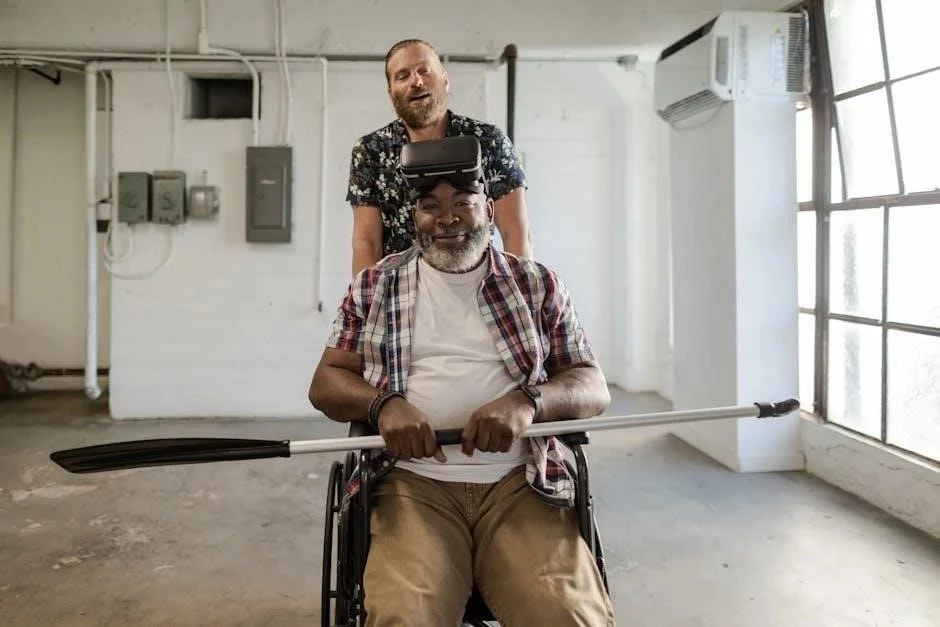
The Evolution of VR Therapy for Dementia NYC
The landscape of memory care in New York City is undergoing a digital transformation. Historically, reminiscence therapy involved looking at old photographs or listening to familiar music. While effective, these methods are passive. VR therapy for dementia NYC introduces an active, three-dimensional component that engages multiple senses simultaneously. This immersive environment can transport a resident from a small apartment in Manhattan to the rolling hills of the Italian countryside or the bustling streets of New York as they looked in the 1950s.
- High-fidelity sensory input: VR provides visual and auditory stimuli that mimic real-life environments, which is crucial for those with limited mobility.
- Personalized “Life Review”: Clinicians can curate environments that mirror a patient’s personal history, helping to trigger specific long-term memories.
- Reduced environmental stressors: By controlling the virtual environment, therapists can eliminate the loud noises and chaotic movement typical of NYC, creating a safe “zen zone.”
- Neuroplasticity support: Engaging with new yet familiar virtual spaces encourages the brain to form new connections, potentially slowing the functional impact of cognitive decline.
- Accessibility: Modern VR headsets are becoming more lightweight and wireless, making them suitable for seniors who may have physical frailty.
Clinical Benefits of Immersive Alzheimer's Care NYC
When we discuss Alzheimer's Care NYC, the focus is often on safety and medication management. However, quality of life is equally paramount. Immersive technology addresses the psychological symptoms of dementia, often referred to as BPSD (Behavioral and Psychological Symptoms of Dementia). In a city where sensory overload is common, VR offers a controlled form of “positive stimulation” that can recalibrate a patient’s emotional state.
- Reduction in Agitation: Many patients experience “sundowning” or late-afternoon anxiety; VR sessions during these times can provide a calming distraction.
- Enhanced Social Interaction: After a VR experience, patients often feel more inclined to talk about what they saw, providing a conversational “hook” for family members and caregivers.
- Pain Management: For seniors with comorbid physical conditions, the deep immersion of VR can act as a distraction, reducing the perception of chronic pain.
- Cognitive Exercising: Certain VR programs include light puzzles or navigation tasks that challenge the brain without causing the frustration often found in traditional testing.
- Combatting Loneliness: For the many seniors living alone in NYC, virtual “social” environments can provide a sense of presence and belonging.
Implementing VR in a Home Care Setting
Introducing VR therapy for dementia NYC into a private home requires a thoughtful approach. Unlike a clinical facility, a home environment has unique spatial and safety considerations. Professional caregivers are now being trained not just in physical assistance, but in facilitating these digital experiences. It is not about handing a senior a headset and walking away; it is about the shared journey and the guided reflection that follows the immersion.
- Safe Seating Protocols: Always ensure the patient is seated in a sturdy chair with armrests to prevent dizziness or loss of balance during the session.
- Session Duration: Clinical experts recommend starting with short intervals (5-10 minutes) to monitor for “cybersickness” or overstimulation.
- Content Selection: Choosing the right environment is vital. For some, a quiet beach is soothing; for others, it might be a virtual tour of the Metropolitan Museum of Art.
- Caregiver Supervision: A trained professional should always be present to monitor heart rate, facial expressions, and physical stability.
- Post-Session Integration: Discussing the experience immediately after helps solidify the memory and extends the therapeutic benefit into the physical world.
Addressing NYC-Specific Challenges in Memory Care
Living in New York presents unique hurdles for those requiring Alzheimer's Care NYC. Space is often at a premium, and the city’s inherent noise can be distressing for those with sensory sensitivities. VR therapy acts as a sanctuary, allowing seniors to “escape” the confines of a small apartment or the din of traffic; It provides a level of freedom that physical limitations or the urban environment might otherwise prevent.
- Overcoming Mobility Barriers: For seniors who can no longer navigate the subway or walk through Central Park, VR brings these NYC landmarks directly to their living room.
- Cultural Connectivity: NYC is a melting pot. VR allows immigrants to visit their homelands virtually, which can be incredibly healing for those experiencing late-stage dementia.
- Bridging the Intergenerational Gap: Grandchildren are often tech-savvy; VR becomes a medium through which they can engage with their grandparents in a way that feels modern and exciting.
- Caregiver Respite: While the patient is safely engaged in a VR session, the primary caregiver can take a much-needed mental break, knowing the patient is occupied and safe.
- Cost-Effective Enrichment: While the hardware has a cost, the ability to “travel” and “explore” virtually is significantly cheaper and safer than physical outings for a person with advanced dementia.
The Role of Medicaid and Insurance in Innovative Care
As VR therapy for dementia NYC moves from experimental to mainstream, the question of funding becomes central. In New York, programs like CDPAP (Consumer Directed Personal Assistance Program) allow for more flexibility in how care is delivered. While Medicaid might not directly “prescribe” a VR headset yet, the use of technology by a paid caregiver is increasingly recognized as a valid component of a comprehensive care plan focused on mental health and behavioral stability.
- Documentation of Benefits: Families should keep logs of how VR sessions affect the patient’s mood and medication needs to demonstrate value to care managers.
- Non-Profit Resources: Several NYC-based aging organizations offer pilot programs that provide VR equipment to low-income seniors.
- Integration with Managed Long-Term Care (MLTC): Some MLTC plans are beginning to explore “social determinants of health,” which includes mental stimulation and social isolation.
- Professional Training: Using home care hours for “technological facilitation” is a growing trend among savvy NYC families seeking holistic care.
- Long-term Savings: By reducing agitation and the need for high-dose antipsychotics, VR can potentially lower the overall cost of medical interventions over time.
Future Horizons for Alzheimer's Care NYC
The future of Alzheimer's Care NYC is inextricably linked to technological advancement. We are looking toward “augmented reality” (AR) where digital prompts are overlaid on the physical world, helping seniors identify objects or remember names in real-time. However, for now, the focus remains on deepening the immersive experience of VR and making it a standard tool in every memory care toolkit across the five boroughs.
- Biometric Feedback: Future headsets may automatically adjust the virtual environment based on the patient’s stress levels (detected via heart rate).
- Multi-User Environments: Imagine two seniors in different parts of Brooklyn meeting in a virtual park to play a game of chess together.
- Improved Visual Fidelity: As screens get better, the “uncanny valley” effect disappears, making the experiences feel more authentic and less like a computer game.
- Olfactory Integration: Emerging tech is adding “scent” to VR, allowing a patient to smell the ocean air or baking bread, further grounding the experience.
- Widespread Clinical Adoption: As more NYC hospitals and home care agencies adopt these protocols, VR will become as common as physical therapy in the treatment of dementia.
Nurse Insight: In my experience working with families throughout Manhattan and Brooklyn, the most profound moments don’t happen while the headset is on, but right after it comes off. I remember a client who hadn’t spoken more than a few words in weeks. After “visiting” a virtual botanical garden, she began describing the peonies her mother used to grow with incredible detail. It was as if the VR had unlocked a door that had been jammed for years. For families looking into Alzheimer's Care NYC, my advice is to view VR not as a gadget, but as a key to communication. It's a way to meet your loved one where they are and bring a little bit of the world back to them.
Frequently Asked Questions
Is VR therapy safe for seniors with late-stage dementia?
How much does VR therapy for dementia NYC typically cost?
Can VR help reduce the need for dementia medications?
What kind of VR content is best for memory care?
Does Medicaid cover VR therapy equipment in New York?
Contact ProLife Home Care NYC for a free clinical assessment:(718) 232 – 2777
Contact ProLife Home Care NYC for a free clinical assessment: (718) 232-2777