{
“@context”: “https://schema.org”,
“@type”: “FAQPage”,
“mainEntity”: [
{
“@type”: “Question”,
“name”: “How does an NYS Pooled Trust help Chelsea seniors qualify for home care?”,
“answer”: {
“@type”: “Answer”,
“text”: “An NYS Pooled Trust allows seniors whose monthly income exceeds Medicaid limits to deposit their surplus income into the trust. This ‘spend-down’ amount is then managed by a non-profit organization to pay for the senior’s living expenses, such as rent or utilities in Chelsea, while still allowing them to qualify for Medicaid-funded home care services.”
}
},
{
“@type”: “Question”,
“name”: “What services are included in Home care Chelsea NYC packages?”,
“answer”: {
“@type”: “Answer”,
“text”: “Home care in Chelsea typically includes assistance with activities of daily living (ADLs) such as bathing, dressing, and meal preparation. It also covers medication reminders, light housekeeping, escorting to medical appointments at local Manhattan facilities, and specialized care for conditions like dementia or Parkinson’s.”
}
},
{
“@type”: “Question”,
“name”: “Can I choose my own caregiver through the CDPAP program in Manhattan?”,
“answer”: {
“@type”: “Answer”,
“text”: “Yes, the Consumer Directed Personal Assistance Program (CDPAP) allows residents in Chelsea and throughout NYC to recruit, hire, and supervise their own caregivers, which can include family members or friends. This program is funded through Medicaid and provides more control over who enters the home.”
}
},
{
“@type”: “Question”,
“name”: “Are home care aides in Chelsea trained for specialized medical needs?”,
“answer”: {
“@type”: “Answer”,
“text”: “Yes, many agencies providing Home care Chelsea NYC services employ Home Health Aides (HHAs) and Personal Care Aides (PCAs) who undergo specific training for Alzheimer's care, stroke recovery, and fall prevention, ensuring high-quality clinical support within an independent living environment.”
} },
{
“@type”: “Question”,
“name”: “How do I start the process of getting an aide in Chelsea?”,
“answer”: {
“@type”: “Answer”,
“text”: “The process begins with a clinical assessment to determine the level of care needed. Residents should then consult with a Medicaid specialist to address financial eligibility, often involving the setup of an NYS Pooled Trust if income is over the limit, followed by choosing a managed long-term care (MLTC) plan.”
}
}
]}
Watching a loved one age in the vibrant heart of Chelsea requires a delicate balance between maintaining their cherished independence and ensuring their clinical safety. As a Senior Nurse in New York City, I have guided countless families through the complex journey of securing professional home care while navigating the high costs of Manhattan living. Every senior deserves to stay in their own home, surrounded by familiar sights like the High Line or local galleries, without compromising on medical supervision. Our goal is to provide a roadmap that simplifies Medicaid eligibility and highlights how professional aide support can transform the quality of life for your elderly family members.
Clinical Quick Answer
Securing professional aide support for seniors in Chelsea involves integrating high-quality Home care Chelsea NYC services with strategic financial tools like an NYS Pooled Trust to meet Medicaid income requirements. This combination ensures that seniors receive essential assistance with activities of daily living (ADLs) and medication management while remaining in their private residences. By leveraging state-funded programs, families can maintain the clinical safety and social dignity of their loved ones in an urban environment.
Navigating Home Care Chelsea NYC: Why Local Expertise Matters
Chelsea is a unique neighborhood with specific logistical challenges, from high-rise elevator wait times to the complexities of parking for home health agencies. When seeking Home care Chelsea NYC, it is vital to choose providers who understand the Manhattan landscape. Professional aides do more than just provide physical assistance; they serve as the eyes and ears of the clinical team, monitoring for subtle changes in health that could indicate a more serious underlying issue.
- Proximity to major medical centers like Mount Sinai West and NYU Langone ensures rapid response for acute needs.
- Local aides are familiar with Chelsea's pharmacies and grocery stores, facilitating seamless errands and prescription pickups.
- Tailored care plans focus on the specific layout of Manhattan apartments, identifying fall risks in smaller living spaces.
- Social engagement is prioritized, with aides escorting seniors to local community centers or the Chelsea Market for mental stimulation.
- Cultural competency is a cornerstone of NYC care, ensuring aides respect the diverse backgrounds of Chelsea residents.
Understanding the NYS Pooled Trust for Income Eligibility
One of the most significant hurdles for seniors in Manhattan is the Medicaid income limit. Many Chelsea residents have pensions or Social Security payments that exceed the threshold for Medicaid-funded home care. This is where an NYS Pooled Trust becomes an essential financial instrument. By depositing surplus income into a trust managed by a non-profit, the senior can qualify for Medicaid while using that money to pay for their specific living expenses.
- The trust allows the senior to use their “spend-down” money for rent, utilities, and even clothing.
- It bridges the gap between being “too wealthy” for Medicaid and “too poor” to afford 24/7 private pay home care.
- NYS Pooled Trusts are approved by the New York State Department of Health and are a standard practice for NYC seniors.
- Monthly deposits are calculated based on the difference between the senior’s income and the current Medicaid limit.
- Working with a specialist ensures that the trust is set up correctly to avoid any disruptions in care services.
The Role of Personal Care Aides (PCAs) in Independent Living
Independent senior living does not mean living without help; it means having the right support to maintain autonomy. Personal Care Aides (PCAs) and Home Health Aides (HHAs) provide the necessary physical interventions that prevent hospitalizations. In Chelsea, where many seniors live in multi-story buildings, the role of an aide is critical in navigating the environment safely.
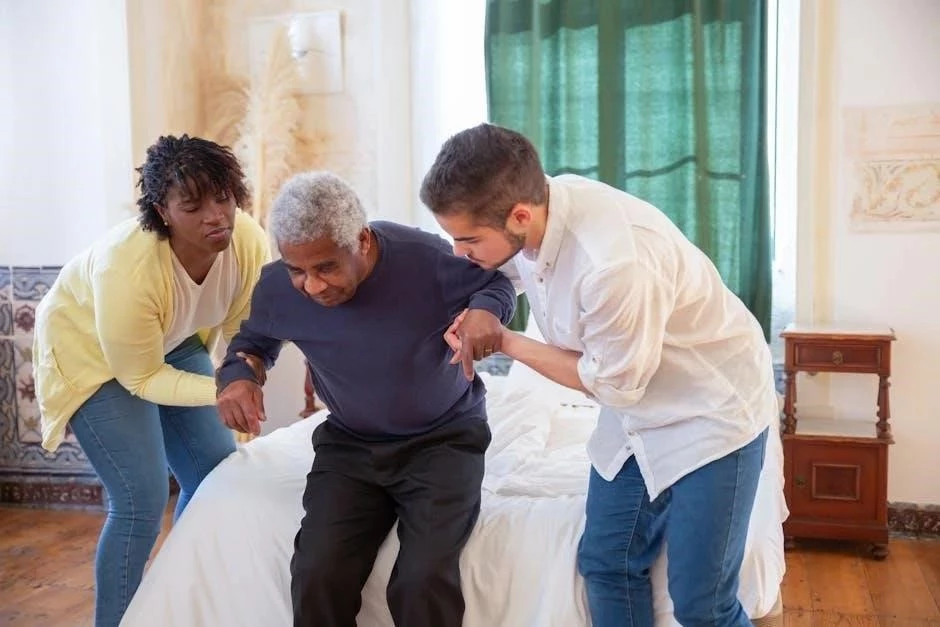
- Assistance with transfers (moving from bed to chair) to prevent common hip fractures.
- Professional meal preparation tailored to specific dietary needs, such as low-sodium or diabetic diets.
- Consistent medication reminders to ensure adherence to complex pharmaceutical regimens prescribed by Manhattan specialists.
- Personal hygiene support, which preserves the senior’s dignity and prevents skin breakdown or infections.
- Light housekeeping to maintain a sanitary living environment, reducing the risk of respiratory issues or pests.
Consumer Directed Personal Assistance Program (CDPAP) in Chelsea
For families who prefer a more personal touch, the CDPAP program is a game-changer. This New York State initiative allows the senior (or their representative) to choose their own caregiver, including family members. In a tight-knit community like Chelsea, this often means a daughter, son, or trusted friend can be paid by Medicaid to provide the necessary care.
- Eliminates the “stranger in the house” anxiety that many seniors feel when starting home care.
- Provides financial support to family caregivers who may have had to reduce their working hours to help their loved one.
- Allows for more flexible scheduling that fits the specific routine of the senior.
- Caregivers do not necessarily need formal HHA certification, as the senior or their representative provides the training.
- Ensures language and cultural needs are perfectly met within the home environment.
Safety Assessments and Environmental Modifications
Clinical care in the home begins with a thorough safety assessment. Manhattan apartments, while charming, often feature narrow hallways, high bathtub edges, and area rugs that are significant trip hazards. A comprehensive home care plan includes a professional evaluation of the Chelsea residence to ensure it supports independent living;
- Installation of grab bars in bathrooms and near beds to facilitate safe movement.
- Evaluation of lighting in entryways and corridors to prevent nighttime falls.
- Organization of medical supplies and emergency contact information in a central, accessible location.
- Assessment of kitchen safety, including the use of stoves and the accessibility of frequently used items.
- Coordination with building management in Chelsea high-rises to ensure aide access and emergency protocols are in place.
Integrating Care with New York State Health Guidelines
All home care services in Manhattan must adhere to the strict regulations set forth by the state. This ensures a high standard of clinical excellence and protects the rights of the senior. By staying informed through the NY State DOH, families can ensure their providers are compliant and providing the best possible care available under current law.
- Regular nursing assessments are required to update the plan of care as the senior’s health status evolves.
- Managed Long Term Care (MLTC) plans coordinate the various services, from aides to physical therapy.
- Strict background checks and training requirements for all agency-employed health workers.
- Standardized reporting for any incidents or changes in the patient’s condition.
- Access to grievance procedures if the quality of care does not meet state-mandated expectations.
Nurse Insight: In my experience, the biggest mistake families make is waiting for a crisis-like a fall or a missed medication dose-before seeking help. In Chelsea, the transition to home care is much smoother when we start with a few hours of aide support a day. This allows the senior to build a relationship with their caregiver and get comfortable with the idea of assistance. Using an NYS Pooled Trust early on also removes the financial stress, allowing the family to focus on what matters most: spending quality time together in the neighborhood they love.
Frequently Asked Questions
How does an NYS Pooled Trust help Chelsea seniors qualify for home care?
An NYS Pooled Trust allows seniors whose monthly income exceeds Medicaid limits to deposit their surplus income into the trust. This ‘spend-down’ amount is then managed by a non-profit organization to pay for the senior’s living expenses, such as rent or utilities in Chelsea, while still allowing them to qualify for Medicaid-funded home care services.
What services are included in Home care Chelsea NYC packages?
Home care in Chelsea typically includes assistance with activities of daily living (ADLs) such as bathing, dressing, and meal preparation. It also covers medication reminders, light housekeeping, escorting to medical appointments at local Manhattan facilities, and specialized care for conditions like dementia or Parkinson’s.
Can I choose my own caregiver through the CDPAP program in Manhattan?
Yes, the Consumer Directed Personal Assistance Program (CDPAP) allows residents in Chelsea and throughout NYC to recruit, hire, and supervise their own caregivers, which can include family members or friends. This program is funded through Medicaid and provides more control over who enters the home.
Are home care aides in Chelsea trained for specialized medical needs?
Yes, many agencies providing Home care Chelsea NYC services employ Home Health Aides (HHAs) and Personal Care Aides (PCAs) who undergo specific training for Alzheimer's care, stroke recovery, and fall prevention, ensuring high-quality clinical support within an independent living environment.
How do I start the process of getting an aide in Chelsea?
The process begins with a clinical assessment to determine the level of care needed. Residents should then consult with a Medicaid specialist to address financial eligibility, often involving the setup of an NYS Pooled Trust if income is over the limit, followed by choosing a managed long-term care (MLTC) plan.
Contact ProLife Home Care NYC for a free clinical assessment:(718) 232 – 2777
Contact ProLife Home Care NYC for a free clinical assessment: (718) 232-2777