Caring for a loved one with a catheter can feel overwhelming, but your dedication ensures their safety and dignity every single day. We understand the anxiety that comes with preventing infections, and we are here to provide the clinical clarity you need to feel confident in your caregiving role. Taking it one step at a time allows you to master these medical tasks while maintaining the emotional bond that matters most. Your commitment to proper hygiene and monitoring is the strongest defense against complications and the best gift of health for your family member.
Essential Protocols for Catheter Hygiene and Handling
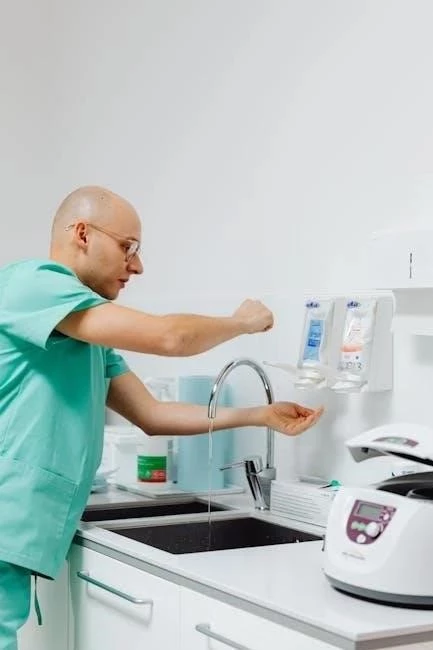
- Hand Hygiene Excellence: Before touching the catheter, drainage tube, or bag, you must wash your hands with warm water and antimicrobial soap for at least 20 seconds. Hand sanitizer with 60% alcohol is an acceptable alternative only if hands are not visibly soiled, but traditional washing is preferred for clinical procedures.
- Maintaining a Closed System: The connection between the catheter and the drainage bag should never be disconnected unless absolutely necessary (such as changing the bag). Each time the system is opened, bacteria can enter the bladder, leading to serious infection.
- Daily Meatal Care: Clean the area where the catheter enters the body at least twice daily. Use mild, unscented soap and water. Always wipe away from the body to prevent dragging bacteria into the urethra.
- Positioning of the Drainage Bag: Ensure the collection bag is always positioned lower than the patient’s bladder. This prevents urine from flowing backward (reflux), which is a major cause of bacterial migration and infection.
- Avoiding Kinks and Loops: Regularly check the tubing for any obstructions. Urine must flow freely at all times; a blocked tube can cause bladder distention, pain, and high pressure that forces bacteria upward.
- Securement Devices: Use a stabilization device or “stat-lock” to secure the catheter to the patient’s thigh. This prevents the catheter from pulling or moving, which can cause internal tissue trauma and create entry points for pathogens.
Comprehensive Wound Care Management at the Insertion Site
- Site Inspection: Daily monitoring of the insertion site-whether urethral or suprapubic-is critical. Look for redness, swelling, or any unusual discharge that may indicate the start of an infection or skin breakdown.
- Wound Care Management for Suprapubic Catheters: For patients with suprapubic catheters, the insertion site is a surgical wound that requires specific attention. Clean the area with sterile saline and apply a fresh, dry split-gauze dressing as directed by your clinician.
- Managing Skin Integrity: Moisture around the catheter site can lead to maceration (softening and breaking down of the skin). Ensure the skin is patted dry gently after cleaning, rather than rubbed, to maintain the protective barrier of the epidermis.
- Barrier Creams and Protectants: Only use physician-approved barrier creams if skin irritation occurs. Petroleum-based products can sometimes degrade the silicone or latex material of the catheter, so always verify compatibility.
- Dealing with Granulation Tissue: Sometimes the body over-heals at the insertion site, creating “proud flesh” or granulation tissue. This tissue is fragile and can bleed easily; report this to your visiting nurse for professional management.
- Dressing Change Frequency: Change dressings immediately if they become wet, soiled, or loose. A damp dressing acts as a bridge for bacteria to travel from the environment directly into the wound site.
Types of Catheters and Their Clinical Requirements
- Indwelling (Foley) Catheters: These stay in the bladder for extended periods. They require the most rigorous infection control because they provide a permanent “highway” for bacteria. They are typically changed every 30 days depending on the material.
- Intermittent Catheters (Straight Cath): These are inserted to drain the bladder and then removed immediately. While they carry a lower risk of long-term infection, the technique used during insertion must be extremely clean to avoid introducing bacteria each time.
- Suprapubic Catheters: These are surgically inserted through the abdominal wall. They are often more comfortable for long-term use and carry a slightly lower risk of urethral damage, but the abdominal exit site requires focused wound care.
- Condom Catheters (Texas Catheters): These are non-invasive and fit over the penis. While the risk of UTI is lower, the risk of skin irritation and breakdown is much higher, requiring frequent skin checks and thorough cleaning between changes.
- Material Considerations: Catheters can be made of latex, silicone, or silver-alloy coatings. Silicone is often preferred for long-term use as it is less prone to encrustation and is safer for those with latex allergies.
- Size and Balloon Volume: Catheters are measured in French (Fr) units. Ensuring the correct size is used prevents “bypassing” (leaking around the tube) and reduces irritation to the bladder neck.
Monitoring and Recognizing Clinical Warning Signs
- Urine Clarity and Color: Monitor the appearance of the urine in the tubing. Cloudy, dark, or bloody urine (hematuria) can be an early sign of infection or dehydration.
- Detection of Malodor: While urine has a natural scent, a strong, foul, or “fishy” odor is often an indicator of bacterial overgrowth and should be reported to a healthcare provider.
- Systemic Symptoms: Watch for fever, chills, or sudden changes in mental status. In elderly patients, confusion or lethargy is often the first sign of a urinary tract infection, even before a fever appears.
- Autonomic Dysreflexia: For patients with spinal cord injuries, a blocked catheter can trigger a life-threatening spike in blood pressure. Signs include a pounding headache, sweating, and flushed skin.
- Output Volume: Keep a log of how much urine is produced. A sudden decrease in output could mean the patient is dehydrated or the catheter is blocked, requiring immediate clinical assessment.
- Bladder Spasms: If the patient complains of a strong urge to urinate or pain in the lower abdomen despite having a catheter, the balloon may be irritating the bladder lining or the tube may be clogged.
Drainage Bag Management and Emptying Procedures
- Emptying Frequency: Empty the drainage bag when it is half to two-thirds full. A heavy bag can pull on the catheter, causing pain and potential injury to the bladder or urethra.
- Aseptic Emptying Technique: When draining the bag, do not let the drainage tap touch the collection container or the floor. Use an alcohol swab to clean the tap before and after every use.
- Day Bags vs. Night Bags: Patients may use a smaller leg bag during the day for mobility and a larger “night bag” for sleep. When switching bags, use a “no-touch” technique and clean all connection points with alcohol.
- Cleaning Reusable Bags: If your clinical guide allows for reusable bags, they must be cleaned daily with a solution of one part white vinegar to three parts water to kill bacteria and reduce odors.
- Disposal of Waste: Urine should be emptied into the toilet. If the patient has a known infection, wear gloves during this process and ensure the area is disinfected afterward.
- Storage of Supplies: Store extra catheters and bags in a cool, dry place. Check expiration dates and the integrity of sterile packaging before use; never use a catheter if the paper seal is broken.
Hydration and Nutrition for Catheter Health
- The Importance of Fluid Intake: Encouraging the patient to drink plenty of water (unless on a fluid restriction) helps “flush” the bladder naturally, reducing the concentration of bacteria and preventing sediment buildup.
- Preventing Encrustation: Mineral deposits can form around the catheter tip and inside the tube. High fluid intake dilutes these minerals, extending the life of the catheter and preventing blockages.
- Cranberry Supplements: Some clinical studies suggest that cranberry extract may prevent certain bacteria from sticking to the bladder wall, though this should be discussed with a doctor before starting.
- Avoiding Constipation: A full bowel can press against the bladder and the catheter tubing, obstructing flow. A high-fiber diet and adequate hydration help maintain regular bowel movements, which is vital for catheter function.
- Monitoring Electrolytes: For patients on long-term drainage, work with a nutritionist to ensure they are getting the right balance of vitamins to support immune function and skin health.
- Education for the Patient: If the patient is cognitively able, teach them the importance of hydration so they can participate in their own care and recognize when they haven’t had enough to drink.
Nurse Insight: In my experience working with families in New York City, the biggest hurdle isn’t the technical skill-it is the fear of “doing it wrong.” I always tell my caregivers to remember that your environment doesn’t have to be a sterile operating room, but your technique must be “surgically clean.” The most common mistake I see is letting the drainage bag touch the floor or rest on the bedrails; keeping that bag hanging low and clear of the ground is your best defense against the bacteria that cause hospitalizations. Trust your instincts-if the urine looks different or the patient “isn’t acting right,” call your nurse immediately.
Frequently Asked Questions
How often should a home catheter be completely replaced?
What should I do if no urine has drained into the bag for several hours?
Is it normal to see a small amount of blood in the catheter tubing?
Can a person with a catheter take a bath or go swimming?
How can we reduce the strong odor associated with the drainage bag?
Contact ProLife Home Care NYC for a free clinical assessment:(718) 232 – 2777
Contact ProLife Home Care NYC for a free clinical assessment: (718) 232-2777