As a senior registered nurse operating within the complex healthcare landscape of New York, I have seen firsthand how critical the initial weeks of Knee Recovery: specialized Pain Management and Mobility are for long-term success. Navigating the recovery process in NYC requires a strategic approach that accounts for the unique challenges of urban living, from narrow apartment layouts to the necessity of rapid rehabilitation. My role is to ensure that patients transitioning from the hospital to their homes receive the highest level of clinical oversight to prevent complications and restore function. By integrating advanced nursing protocols with personalized care plans, we help New Yorkers reclaim their independence and return to the activities they love most.
Successful Knee Recovery: specialized Pain Management and Mobility is achieved through a combination of early ambulation, rigorous medication adherence, and professional wound monitoring. Utilizing Skilled Nursing services allows for the clinical management of pain through multimodal strategies while ensuring that physical therapy goals are met without the risk of overexertion or injury.
In my clinical experience, the most significant risk for NYC patients during knee recovery is the “immobility trap” caused by inadequate pain control in the first 72 hours post-discharge. Many patients hesitate to take prescribed analgesics due to fears of dependency, which leads to stiffness and a condition known as arthrofibrosis, where scar tissue locks the joint. A major mistake is waiting until the pain is unbearable to engage in movement; instead, we utilize Skilled Nursing to implement a proactive schedule where pain management peaks just before physical therapy sessions. In the high-pressure environment of New York, where patients often live in walk-up apartments or confined spaces, the timing of these interventions is the difference between a successful outcome and a secondary surgical intervention to break up adhesions.
The Essential Role of Skilled Nursing in New York City
- Comprehensive Assessment: Every home visit begins with a thorough evaluation of the surgical site, vital signs, and the patient’s neurological status to catch early signs of infection or vascular compromise.
- Medication Reconciliation: Nurses ensure that the complex list of post-operative medications, including anticoagulants and analgesics, does not conflict with the patient’s existing prescriptions.
- Patient Education: We empower patients and their families by teaching them how to recognize red flags such as localized heat, excessive swelling, or shortness of breath which could indicate a pulmonary embolism.
- Coordination of Care: Acting as a liaison between the orthopedic surgeon in Manhattan or Brooklyn and the patient at home, Skilled Nursing ensures that the surgical plan is followed to the letter.
- Environmental Safety: Nurses assess the NYC home environment for trip hazards, ensuring that rugs, cords, and cluttered pathways are cleared to prevent devastating falls during the early mobility phase.
The New York City healthcare system is one of the most advanced in the world, yet the transition from a world-class surgical center to a private residence is often where the most significant risks emerge. Hospital stays are becoming shorter, frequently lasting only 24 to 48 hours after a total knee arthroplasty. This shift places a heavy burden on home-based care. Without the presence of a professional who understands the nuances of total knee replacement home nursing NYC, patients may struggle to manage the transition. The physiological stress of surgery, combined with the logistical stress of NYC living-such as noise, limited space, and the pace of the city-can overwhelm a recovering individual. Professional nursing care provides a “safety net” that monitors for deep vein thrombosis (DVT), a leading cause of post-surgical readmission, while providing the emotional and clinical support necessary for a smooth recovery.
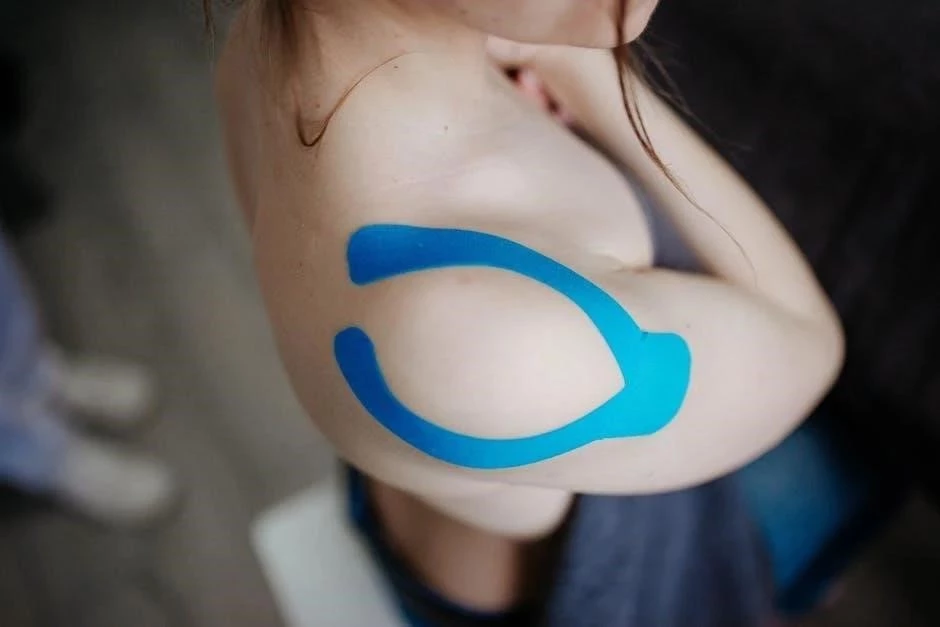
Specialized Pain Management Strategies for Knee Recovery
- Multimodal Analgesia: Utilizing different classes of medications, such as anti-inflammatories, nerve blocks, and acetaminophen, to reduce the reliance on heavy opioids.
- Cryotherapy Integration: Implementing scheduled icing protocols using advanced cold-compression units to reduce internal inflammation and secondary tissue damage.
- Nerve Block Monitoring: For patients who receive regional anesthesia, nurses monitor the “wake-up” process of the limb to ensure motor function returns correctly while managing the rebound pain that often follows.
- Elevation Protocols: Teaching the “toes over nose” method to utilize gravity in reducing edema, which is a primary driver of post-surgical discomfort.
- Psychological Support: Addressing the “post-op blues” and anxiety that can exacerbate the perception of pain, ensuring the patient remains motivated.
Pain management is not merely about comfort; it is a clinical necessity for Knee Recovery: specialized Pain Management and Mobility. When pain is poorly managed, the patient’s sympathetic nervous system becomes overactive, leading to increased blood pressure, heart rate, and a decrease in the healing rate of tissues. In NYC, where patients are often eager to return to work or social lives, there is a tendency to “push through” the pain, which can lead to inflammation flare-ups. Conversely, those who are too fearful of pain may remain sedentary. A skilled nurse balances these two extremes, using clinical markers to determine when to escalate or de-escalate pain interventions. This tailored approach ensures that the inflammatory response is controlled, allowing the new joint to settle into its place without the interference of excessive swelling or muscle guarding.
Achieving Mobility Milestones in an Urban Environment
- Gait Training: Professional guidance on using walkers or canes correctly on the varied surfaces found in NYC apartments, from hardwood to tile.
- Range of Motion Exercises: Assisting the patient in achieving the critical 0-degree extension and 90-degree flexion goals within the first two weeks.
- Transfer Techniques: Teaching patients how to safely get in and out of low New York sofas, beds, and even car seats for follow-up appointments.
- Strength Building: Implementing isometric exercises that activate the quadriceps and gluteal muscles without putting undue stress on the fresh surgical site.
- Endurance Pacing: Helping patients gradually increase their walking distance within their homes before venturing out into the busy NYC streets.
Mobility is the ultimate metric of a successful knee replacement. In the context of Knee Recovery: specialized Pain Management and Mobility, the first few weeks are the “golden window” for establishing a functional range of motion. The prosthetic joint requires movement to stay lubricated and to prevent the surrounding ligaments from tightening. In New York, mobility often takes on a different meaning; it isn’t just about walking a few steps, but eventually being able to navigate subways, curbs, and stairs. Skilled Nursing professionals work alongside physical therapists to ensure that every movement performed at home is anatomically correct. This prevents compensatory injuries, where a patient might strain their back or their other leg by limping improperly. By focusing on symmetrical movement and core stability, we ensure the longevity of the new knee joint.
Identifying and Preventing Clinical Complications
- Infection Control: Strict adherence to sterile techniques during dressing changes and monitoring for systemic signs like fever or chills.
- Thromboembolism Prevention: Ensuring the patient uses sequential compression devices or takes prescribed blood thinners exactly as directed.
- Wound Dehiscence Monitoring: Checking the integrity of staples or sutures, especially in patients with diabetes or vascular issues who heal more slowly.
- Hydration and Nutrition: Monitoring intake to ensure the body has the protein and fluids necessary for collagen synthesis and tissue repair.
- Fall Prevention: Conducting a head-to-toe assessment to ensure the patient’s balance is not compromised by medication side effects or dizziness.
The risks associated with knee replacement are significant, but most are preventable with high-quality Skilled Nursing. In a busy city like New York, complications can sometimes be overlooked by family members who are distracted by work or city life. A nurse provides a dedicated set of eyes. For example, a slight change in the color of a calf or a small amount of “serosanguinous” drainage from the incision might seem minor to a layperson but are critical indicators to a trained professional; By catching these issues early, we avoid the trauma of an emergency room visit and keep the recovery on track. Furthermore, the NYC environment, with its high humidity in summer or extreme cold in winter, can affect how a patient feels and heals; our nursing care adapts to these environmental factors to maintain a stable recovery environment.
The Long-term Impact of Professional Home Nursing
- Reduced Readmission Rates: Statistics show that patients with home nursing are significantly less likely to return to the hospital within 30 days.
- Better Functional Outcomes: Professional oversight leads to higher scores on mobility tests and a faster return to daily activities.
- Decreased Caregiver Burden: Professional help allows family members to support their loved ones without the stress of managing complex medical tasks.
- Long-term Joint Health: Proper early care prevents the chronic pain and stiffness that can result from improper healing.
- Psychological Confidence: Patients feel safer and more confident in their recovery when they know a clinical expert is monitoring their progress.
Ultimately, the goal of total knee replacement home nursing NYC is to transition the patient from a state of post-surgical vulnerability to one of robust health. The journey through Knee Recovery: specialized Pain Management and Mobility is as much about the mind as it is about the body. Having a professional nurse in the home provides a sense of security that allows the patient to focus entirely on their rehabilitation. In the bustling metropolis of New York, where healthcare can sometimes feel impersonal, home nursing offers a personalized, human-centered approach. This one-on-one attention ensures that no detail is missed and that every patient has the best possible chance at a pain-free, mobile future.
ProLife Home Care offers unparalleled expertise in managing post-surgical transitions, ensuring that every New Yorker receives compassionate and clinical excellence. Our team specializes in total knee replacement home nursing NYC, providing the Skilled Nursing required to turn a complex recovery into a successful return to city life.
| Service | What It Includes | Why It Matters<br /> |
|---|---|---|
| Pain Management | Medication scheduling and cryotherapy | Prevents stiffness and allows for therapy progress. |
| Wound Care | Dressing changes and infection monitoring | Reduces the risk of surgical site infections and readmission. |
| Mobility Assistance | Gait training and transfer techniques | Ensures safety and prevents falls in the home environment. |
| Clinical Monitoring | Vitals and DVT screenings | Catches life-threatening complications before they escalate. |
Frequently Asked Questions
How does specialized pain management help knee recovery?
It uses a multimodal approach to reduce discomfort, allowing patients to participate fully in physical therapy without the debilitating effects of high-dose opioids.
What role does mobility play in long-term success?
Early and frequent mobility prevents the formation of scar tissue and ensures the prosthetic joint reaches its full range of motion.
Can I manage knee recovery at home without professional help?
While possible, it is risky; Skilled Nursing provides the clinical oversight necessary to prevent infections, blood clots, and improper healing that family members may miss.
What are the specific challenges of knee recovery in NYC?
NYC challenges include navigating small living spaces, manageing steps in walk-up buildings, and the logistical difficulty of attending frequent outpatient appointments early in recovery.
How soon should mobility training start after surgery?
Mobility training typically begins within 24 hours of surgery to promote blood flow and joint flexibility, making home nursing essential for those discharged quickly.
Contact ProLife Home Care NYC for a free clinical assessment: (718) 232-2777