Navigating the legal rights of family caregivers NY is essential for ensuring your hard work is recognized and protected under state law․ Many family members provide around-the-clock support without realizing they are entitled to specific labor protections and fair compensation․ Understanding these regulations helps families maintain financial stability while delivering the high-quality care their loved ones deserve․ By learning your rights, you can advocate for a safer, more sustainable caregiving environment that honors your commitment․
Clinical Quick Answer
Family caregivers in New York are protected by the Domestic Workers’ Bill of Rights and the Consumer Directed Personal Assistance Program (CDPAP) framework, which grants them status as employees with rights to overtime and sick leave․ It is vital to stay informed about current CDPAP Pay Rates to ensure your fiscal intermediary is providing the mandated minimum wage and wage parity benefits․ These legal structures ensure that home-based care meets clinical and labor standards while providing financial relief to family units․
Understanding CDPAP and Caregiver Employment Rights
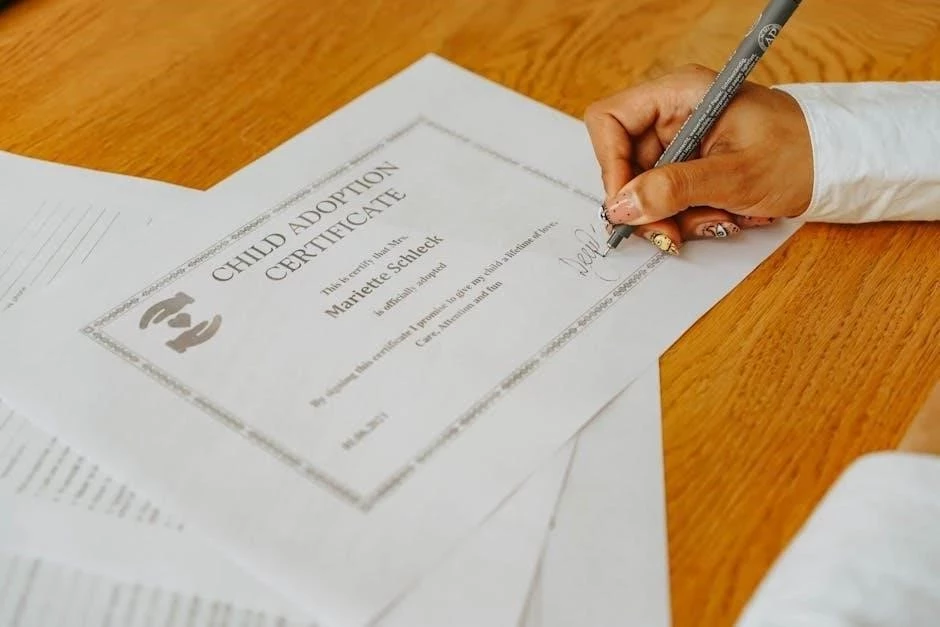
In New York State, the Consumer Directed Personal Assistance Program (CDPAP) has revolutionized how family caregivers are viewed under the law․ Historically, caring for a parent or child was seen purely as a familial obligation with no legal standing as “employment․” However, under CDPAP, the care recipient (or their designated representative) becomes the employer, and the family member becomes the personal assistant (PA)․ This shift triggers a wide range of legal rights of family caregivers NY that were previously unavailable․
- The right to be paid for hours worked, including tasks like bathing, feeding, and medical escorting․
- The legal standing as an employee of the consumer, facilitated by a Fiscal Intermediary (FI)․
- Protection against discrimination based on race, creed, color, or national origin within the employment context․
- Eligibility for Workers’ Compensation and Disability Insurance provided through the Fiscal Intermediary․
- The right to a written notice of pay rate, pay day, and the name of the employer at the time of hire․
- Access to the New York State Department of Labor for wage disputes or unpaid hour claims․
The Impact of NY Wage Parity Laws on Compensation
One of the most complex aspects of the legal rights of family caregivers NY is the Wage Parity Law․ This law specifically affects caregivers in New York City, Nassau, Suffolk, and Westchester counties․ It mandates that total compensation-including base wages and supplemental benefits-reaches a certain threshold․ When discussing CDPAP Pay Rates, it is crucial to distinguish between the base hourly wage and the additional “benefit” portion of the rate, which may be provided as health insurance, retirement contributions, or extra cash in the paycheck․
- Mandated minimum total compensation levels that exceed the standard state minimum wage in specific downstate regions․
- Requirements for Fiscal Intermediaries to provide a “Wage Parity Statement” detailing how the rate is calculated․
- Legal protections ensuring that “benefit” dollars are used for the caregiver's welfare or paid out appropriately․
- Annual adjustments to parity rates based on state budget cycles and Department of Health (DOH) directives․
- The right to choose between certain benefit packages or higher cash wages depending on the FI's offerings․
- Protection against “wage theft” where employers fail to pay the full parity amount required by law․
Overtime and the Fair Labor Standards Act (FLSA)
For many family caregivers, the workday does not end after eight hours․ Legally, the rights of family caregivers NY include the right to overtime pay․ Following significant changes to federal and state law, most home care workers are no longer exempt from overtime pay requirements․ This means if you work more than 40 hours in a seven-day workweek, you are entitled to “time and a half” your regular rate of pay․ Understanding how this applies to CDPAP is critical for preventing burnout and ensuring fair pay․
- The 40-hour threshold applies to the workweek, not the individual day, according to New York Labor Law․
- Live-in caregivers have specific rules regarding sleep time and meal breaks that must be documented to remain compliant․
- Overtime pay must be calculated based on the “regular rate,” which includes certain bonuses or differentials․
- Fiscal Intermediaries must track hours accurately using Electronic Visit Verification (EVV) systems․
- Caregivers have the right to refuse working excessive hours beyond their agreed-upon schedule in some contexts․
- Claims for unpaid overtime can be filed retroactively for up to six years under New York law․
Paid Family Leave and Sick Leave Protections
New York is a leader in providing paid time off for caregiving duties․ Even if you are already a paid caregiver through CDPAP, you may still be entitled to New York Paid Family Leave (PFL) or New York Paid Sick Leave․ These laws provide job-protected time off and partial wage replacement for specific life events․ For family caregivers, this means you have a safety net if your own health fails or if you need to care for another family member with a serious health condition․
- Accrual of one hour of paid sick leave for every 30 hours worked, up to 40 or 56 hours per year․
- The right to use sick leave for mental or physical illness, as well as for preventive medical care․
- Paid Family Leave (PFL) benefits for bonding with a new child or caring for a family member with a serious illness․
- Job protection, meaning your role as a personal assistant is legally held for you while on PFL․
- Continued health insurance coverage while on leave, provided the caregiver pays their share of premiums․
- Protection from retaliation for exercising your right to take legally mandated leave․
Health and Safety in the Home Workplace
The home is a clinical environment when a caregiver is on the clock․ As part of the legal rights of family caregivers NY, caregivers are entitled to a safe work environment․ While OSHA regulations for private homes can be nuanced, New York labor laws still require that employers (the care recipient/FI) provide necessary protective equipment and training․ This is especially important when handling medical equipment, performing transfers, or managing infectious diseases․
- The right to be provided with Personal Protective Equipment (PPE) such as gloves and masks at no cost to the caregiver․
- Access to training on body mechanics to prevent back injuries during patient lifting and repositioning․
- The right to be informed about any hazardous chemicals or biological risks present in the home․
- Protection under Workers’ Compensation if an injury occurs while performing caregiving duties․
- The right to report unsafe working conditions without fear of being fired or having hours reduced․
- Fiscal Intermediary responsibility in assessing the home environment for basic safety standards before care begins․
Navigating Rate Changes and Budgetary Shifts
The landscape of CDPAP Pay Rates is frequently affected by the New York State budget․ Legislative changes can result in wage increases, such as the multi-year plan to raise home care wages above the standard minimum wage․ Caregivers have a legal right to transparency regarding these changes․ If the state mandates a raise for home care workers, your Fiscal Intermediary is legally obligated to pass that increase along to you, rather than absorbing it into their administrative costs․
- Periodic increases in the minimum wage specifically for home care workers as enacted by the State Legislature․
- The requirement for FIs to provide 7 days’ notice before any change in the hourly rate of pay․
- Transparency requirements for how the Medicaid reimbursement rate is split between wages and administration․
- The legal right to switch Fiscal Intermediaries if another provider offers better rates or benefits․
- Participation in public comment periods and advocacy groups that influence state-level caregiving policy․
- Legal recourse through the NY Attorney General's office if an agency is suspected of misappropriating Medicaid funds intended for wages․
Nurse Insight: In my experience working with families in New York City, the biggest hurdle isn’t the care itself-it’s the paperwork and the fear of “breaking the rules․” I always tell my families: you are professional healthcare providers in the eyes of the law․ Keep a personal log of your hours that matches your EVV (Electronic Visit Verification) entries exactly․ This simple step protects your legal right to every dollar you’ve earned and ensures that if there's ever an audit of CDPAP Pay Rates or your hours, you have your own paper trail to prove your clinical dedication;
Frequently Asked Questions
Are family members legally allowed to be paid for caregiving in NY?
How can I find out the current CDPAP Pay Rates for my county?
What should I do if my agency is not paying me for overtime?
Do family caregivers in NY get health insurance through CDPAP?
Can I be fired from my caregiving job without notice?
Contact ProLife Home Care NYC for a free clinical assessment:(718) 232 – 2777
Contact ProLife Home Care NYC for a free clinical assessment: (718) 232-2777