As a Senior Registered Nurse serving the diverse neighborhoods of Brooklyn, I have seen firsthand how much a familiar language can soothe a patient's anxiety during their golden years. In the heart of Bay Ridge, the need for Arabic speaking home care is not just a preference; it is a clinical necessity for ensuring safety and dignity. When a senior can express their pain, their hunger, or their memories in their mother tongue, the quality of care improves exponentially. Our mission is to ensure every family feels supported by a system that respects their heritage while providing top-tier medical oversight.
Clinical Quick Answer
Securing Arabic speaking home care Bay Ridge involves completing a mandatory Nursing Assessment NYC to evaluate a senior’s physical and cognitive needs under the New York State Medicaid program. This process ensures that patients receive culturally competent care that facilitates better communication, medication adherence, and emotional well-being. By utilizing programs like CDPAP or traditional home health services, Bay Ridge families can access caregivers who respect Islamic traditions and Middle Eastern cultural nuances.
The Importance of Cultural Competency in Bay Ridge Home Care
Bay Ridge, Brooklyn, stands as a vibrant hub for the Arabic-speaking community in New York City. For the aging population within this neighborhood, the transition to needing home care can be daunting. Cultural competency is the cornerstone of effective gerontology. When we discuss Arabic speaking home care Bay Ridge, we are referring to more than just translation; we are talking about a deep understanding of the ‘Adab’ (etiquette) and ‘Urur’ (customs) that define the daily lives of Middle Eastern seniors.
- Language Dialects: Arabic is a diverse language; having a caregiver who understands the specific nuances of Lebanese, Syrian, Palestinian, or Egyptian dialects is crucial for clinical accuracy.
- Religious Observance: Caregivers must be sensitive to prayer times (Salat) and the physical limitations that may occur during fasting periods like Ramadan.
- Gender Sensitivity: In many Arabic-speaking households, there is a strong preference for gender-concordant care, where female nurses and aides care for female patients to maintain modesty and comfort.
- Dietary Needs: Knowledge of Halal dietary restrictions is essential for caregivers who assist with meal preparation and nutrition.
Navigating the Nursing Assessment NYC Process
The gateway to receiving any form of professional home assistance in New York is the Nursing Assessment NYC. This is a comprehensive clinical evaluation performed by a Registered Nurse. The assessment determines the ‘Level of Care’ required and serves as the official documentation for insurance companies and the state. For families in Bay Ridge, this assessment is the most critical step in the journey toward subsidized care.
- The UAS-NY Tool: Nurses use the Uniform Assessment System of New York to record data on the patient’s functional status, including their ability to perform Activities of Daily Living (ADLs).
- Home Safety Evaluation: The assessment includes a review of the home environment to identify trip hazards, the need for grab bars, or medical equipment like hospital beds.
- Cognitive Screening: Nurses evaluate memory, orientation, and decision-making capabilities, which is vital for patients suffering from dementia or Alzheimer's.
- Medication Reconciliation: The RN will review all current prescriptions to ensure there are no dangerous drug interactions and that the patient has a system for adherence.
Medicaid Eligibility and NY State DOH Regulations
Most home care services in Brooklyn are funded through Medicaid Managed Long Term Care (MLTC) plans. To access these benefits, seniors must meet specific financial and clinical criteria set forth by the NY State DOH. Understanding these regulations is key to avoiding delays in care. In Bay Ridge, many families utilize the ‘Spousal Refusal’ or ‘Pooled Trust’ options to qualify for Medicaid while protecting their assets.
- Income Limits: Medicaid has strict monthly income and resource limits, though these can often be managed through legal financial planning.
- Clinical Threshold: To qualify for home care, the Nursing Assessment NYC must demonstrate that the patient requires help with more than just housework; they must need ‘hands-on’ assistance.
- Managed Long Term Care (MLTC): Once eligible, the senior chooses an MLTC plan which then contracts with home care agencies to provide the actual Arabic-speaking staff.
- Conflict-Free Evaluation: New York uses a conflict-free evaluation system (NYIA) to ensure that the person assessing the patient does not have a financial interest in the agency providing the care.
Enhancing Health Outcomes Through Language-Specific Care
The clinical benefits of Arabic speaking home care Bay Ridge cannot be overstated. Research consistently shows that patients who receive care in their native language have better health outcomes. This is particularly true in the management of chronic conditions such as diabetes, hypertension, and heart disease, which are prevalent in the aging population. Clear communication prevents the ‘silent’ progression of diseases that often goes unnoticed when a patient cannot describe subtle symptoms.
- Accurate Symptom Reporting: A senior is more likely to describe a ‘dull ache’ or ‘tingling’ correctly in Arabic, allowing the caregiver to alert the nurse before a crisis occurs.
- Reduced Hospital Readmissions: Better communication leads to better follow-through on discharge instructions after a hospital stay;
- Mental Health Support: Depression and isolation are major risks for seniors. Having someone to talk to, share stories with, and watch Arabic-language news with provides essential social stimulation.
- Trust and Compliance: Patients are significantly more likely to take their medications and follow physical therapy exercises when they trust their caregiver.
CDPAP: A Cultural Solution for Brooklyn Families
For many families in Bay Ridge, the Consumer Directed Personal Assistance Program (CDPAP) is the ideal way to secure Arabic-speaking care. This Medicaid program allows the senior (or their representative) to choose their own caregiver, including children or grandchildren. This effectively solves the search for Arabic speaking home care Bay Ridge by keeping the care within the family unit or a trusted circle of friends.
- No Certification Required: Unlike traditional Home Health Aides (HHAs), caregivers under CDPAP do not need a special license, as the family provides the training on the patient’s specific needs.
- Consistent Staffing: Families do not have to worry about the agency sending a different stranger every week; the caregiver is someone the senior already knows and loves.
- Financial Support for Families: CDPAP allows family members who may have had to quit their jobs to care for an elderly parent to receive a competitive wage for their labor.
- Preserving Dignity: For many Arabic-speaking seniors, the idea of a stranger performing personal tasks like bathing is culturally uncomfortable; CDPAP removes this barrier.
Steps to Begin Home Care in Bay Ridge
Starting the process can feel overwhelming, but breaking it down into clinical steps makes it manageable. Families in the 11209 and 11220 zip codes have access to numerous local resources, from the Arab-American Family Support Center to local medical clinics that specialize in geriatric care. The goal is to move from the initial Nursing Assessment NYC to a stable, long-term care plan as smoothly as possible.
- Step 1: Medicaid Application: Ensure the senior is enrolled in New York Medicaid with ‘Community Coverage with Long-Term Care.’
- Step 2: Request an Evaluation: Contact the New York Independent Assessor (NYIA) to schedule the initial clinical and social assessment.
- Step 3: Choose an MLTC: Select a health plan that has a strong network of Arabic-speaking providers in Brooklyn.
- Step 4: Interview Caregivers: Don't settle for the first person sent; ensure the caregiver’s personality and dialect are a good match for your loved one.
- Step 5: Ongoing Monitoring: Regular follow-up Nursing Assessments NYC are required to adjust the care plan as the senior's health status changes over time.
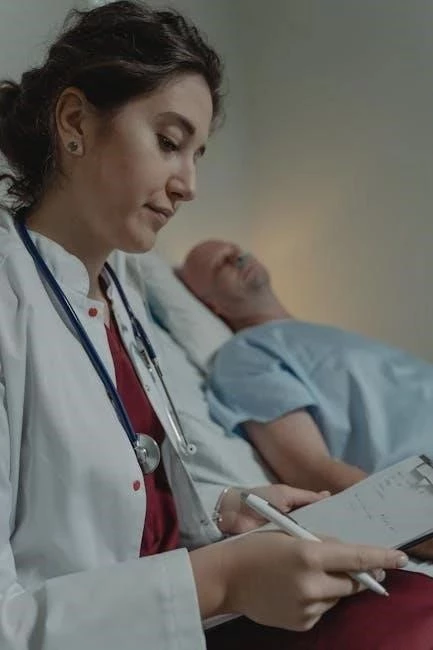
Nurse Insight: In my experience working with families along 5th and 86th Avenue in Bay Ridge, the biggest hurdle isn’t the care itself-it is the paperwork. My advice is to start the Nursing Assessment NYC process earlier than you think you need it. Waiting for a crisis to occur before applying for Medicaid or home care hours creates immense stress. A proactive assessment allows for a peaceful transition, ensuring that when your loved one needs help the most, an Arabic-speaking professional is already by their side, ready to provide the comfort and clinical care they deserve.
Frequently Asked Questions
How can I find an Arabic-speaking caregiver specifically for a male senior in Bay Ridge?
When you contact a home care agency or your MLTC plan after the Nursing Assessment NYC, you should explicitly request a ‘male, Arabic-speaking HHA.’ Most agencies in Brooklyn understand the cultural importance of gender-matching in the Middle Eastern community and will work to find a staff member who meets these criteria.
Does the Nursing Assessment NYC cost anything?
No, if the assessment is conducted through the New York Independent Assessor (NYIA) for the purposes of Medicaid home care, there is no out-of-pocket cost to the patient or the family. It is a state-funded evaluation to determine service eligibility.
What if my mother only speaks a specific dialect like Moroccan or Sudanese?
Arabic dialects vary significantly. When searching for Arabic speaking home care Bay Ridge, be specific with the agency about the country of origin. This ensures the caregiver can communicate effectively regarding complex medical needs and emotional support.
Can I switch from an agency caregiver to a family member (CDPAP) later?
Yes, you can transition from traditional agency care to the CDPAP program at any time, provided the patient remains Medicaid-eligible and requires home care. You will need to coordinate with a fiscal intermediary (FI) that handles the payroll for CDPAP caregivers.
What is the ‘Immediate Need’ process for NYC home care?
If a senior is being discharged from a hospital or is in a situation where their safety is at risk without immediate help, an ‘Immediate Need’ application can be filed with HRA. This bypasses some of the longer wait times for a Nursing Assessment NYC, often getting care into the home within 12 days of a completed application.
Contact ProLife Home Care NYC for a free clinical assessment:(718) 232 – 2777
Contact ProLife Home Care NYC for a free clinical assessment: (718) 232-2777