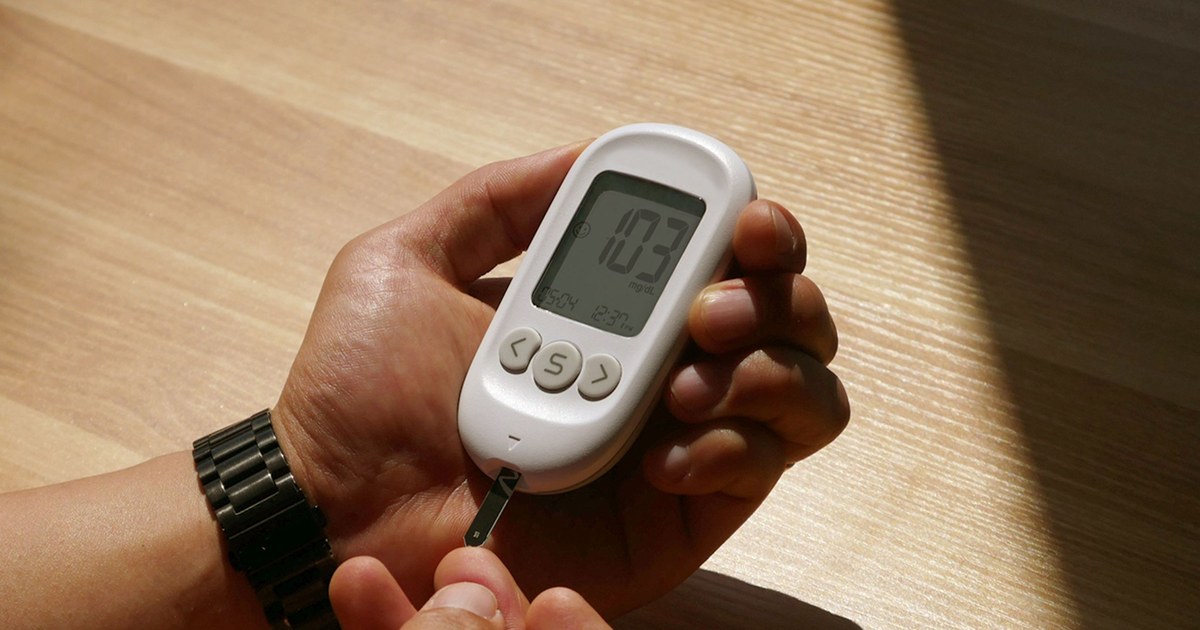
Managing a child’s diabetes in the fast-paced environment of New York City requires more than just clinical knowledge; it takes a village of support and compassion. As a nurse with years of experience in the five boroughs, I have seen how the right home care support can transform a family’s daily routine from a state of constant anxiety to one of empowerment and stability. Our goal is to ensure that your child remains a child first, while their health needs are met with precision and care within the comfort of your home. We understand the unique challenges NYC families face, from navigating crowded commutes to ensuring schools and home aides are on the same page for every glucose reading.
Clinical Quick Answer
Effective pediatric diabetic management at home NYC involves a coordinated approach between parents, home health aides, and specialized medical teams to manage insulin delivery and technology. Continuous Diabetes Monitoring is the cornerstone of preventing emergencies, utilizing tools like CGMs and pumps to maintain stable blood glucose levels through precise data tracking. Home care professionals provide the essential oversight needed to ensure children remain safe and compliant with their treatment plans while parents manage their daily work and household responsibilities.
Understanding Pediatric Diabetic Management at Home NYC
For families living in NYC, the management of Type 1 or Type 2 diabetes in children is a 24/7 commitment. Pediatric diabetic management at home NYC focuses on maintaining a delicate balance between insulin intake, nutrition, and physical activity. Unlike adults, children have rapidly changing metabolic needs due to growth spurts, hormonal shifts, and varying activity levels at school or in local parks.
- Customized Care Plans: Every child in NYC requires a tailored Medical Management Plan (MMP) that home aides must follow strictly to ensure glycemic stability.
- Medicaid and CDPAP Integration: Many NYC families utilize the Consumer Directed Personal Assistance Program, allowing them to train aides specifically for their child’s unique insulin requirements.
- Cultural Nutritional Support: NYC is a melting pot; home aides often help families adapt traditional cultural diets to meet diabetic-friendly carbohydrate counts.
- Stress Reduction: Having a professional at home reduces the ‘caregiver burnout’ frequently experienced by NYC parents who are balancing high-pressure jobs with medical care.
- Consistency in Routine: Aides ensure that even on busy NYC mornings, the child receives their basal insulin and breakfast bolus at the optimal time.
The Vital Role of Diabetes Monitoring
Diabetes Monitoring is no longer just about occasional finger sticks. In a modern NYC home care setting, monitoring involves a sophisticated ecosystem of devices that provide a constant stream of data. This data is critical for making real-time adjustments to insulin delivery and preventing long-term complications.
- Continuous Glucose Monitors (CGM): Aides are trained to monitor CGM receivers or smartphone apps, watching for trend arrows that indicate rising or falling sugar levels.
- Data Logging: Consistent recording of glucose levels, carbohydrate intake, and insulin doses helps NYC endocrinologists at hospitals like Mount Sinai or NYU Langone adjust treatment plans.
- Nocturnal Monitoring: One of the biggest fears for parents is nighttime hypoglycemia; home aides provide an extra layer of safety by monitoring alarms while the family sleeps.
- Interpreting Alerts: Training aides to distinguish between a ‘compression low’ and a true hypoglycemic event is essential for avoiding unnecessary interventions.
- Sensor Maintenance: Aides help ensure that CGM sensors are properly adhered to the skin, especially for active NYC children who may be playing in sports leagues or humid subway environments.
Supporting Insulin Pump Technology
Insulin pumps have revolutionized care, but they require diligent oversight. Home aides play a supportive role in ensuring these devices function correctly, which is a major component of pediatric diabetic management at home NYC.
- Pump Site Inspection: Aides check for signs of infection, redness, or ‘lipohypertrophy’ (fatty lumps) at the infusion site to ensure proper insulin absorption.
- Occlusion Management: If a pump alarms for a blockage (occlusion), the aide can immediately alert the parent or follow the emergency protocol to prevent DKA (Diabetic Ketoacidosis).
- Bolus Assistance: For younger children, aides assist in entering the number of carbohydrates consumed into the pump's bolus wizard.
- Battery and Supply Management: Aides keep track of pump supplies, ensuring the family never runs out of reservoirs, infusion sets, or specialized tape.
- Waterproof Protocols: NYC kids love swimming at public pools or the YMCA; aides ensure pumps are properly disconnected or protected according to manufacturer guidelines.
Nutritional Coordination and Carb Counting
In New York City, access to diverse foods is endless, but for a diabetic child, every bite must be accounted for. Home health aides are instrumental in the nutritional aspect of pediatric diabetic management at home NYC.
- Precise Carb Counting: Aides help measure portions and use apps or charts to calculate the exact grams of carbohydrates in a meal.
- Meal Timing: Ensuring the ‘pre-bolus’ (administering insulin 15-20 minutes before eating) occurs is vital for preventing post-meal blood sugar spikes.
- Healthy Snack Preparation: Aides prepare low-carb snacks that keep the child satisfied without requiring extra insulin corrections.
- NYC School Lunch Coordination: Aides can review the NYC Department of Education lunch menus in advance to help parents calculate insulin needs for the school day.
- Hydration Oversight: Monitoring fluid intake is essential, especially during hot NYC summers, to prevent dehydration which can complicate blood sugar management.
Emergency Preparedness in the NYC Environment
Living in a high-density area like NYC means home aides must be prepared for unique emergency scenarios. Pediatric diabetic management at home NYC must include a robust plan for quick action.
- Hypoglycemia Kits: Every aide should have a ‘Go-Bag’ containing fast-acting glucose (tabs, gels, or juice) and emergency Glucagon (such as Baqsimi or Gvoke).
- Navigating NYC Traffic: In the event of an emergency, aides must know the fastest way to the nearest pediatric ER and how to communicate effectively with EMS.
- Ketone Testing: When blood sugars are consistently high, aides are trained to perform urine or blood ketone tests to screen for early signs of DKA.
- Power Outage Protocols: Aides ensure that insulin remains refrigerated or at a safe temperature during NYC’s occasional brownouts or winter storms.
- Communication Chains: A clear list of emergency contacts, including the child’s NYC endocrinology team and parents’ work numbers, is kept in a prominent location.
Legal and Educational Resources for NYC Families
Navigating the legalities of home care and school support is a major hurdle for many. New York State provides several resources to ensure your child receives the care they deserve. It is important to stay informed through official channels like the NY State DOH.
- Section 504 Plans: Aides help implement the home-based portion of a child’s 504 plan, which ensures they have equal access to education despite their medical condition.
- NY State Health Regulations: Understanding the scope of practice for home health aides in NY is crucial for ensuring compliance with state law.
- Medicaid Managed Care: Many NYC families access diabetes technology and home care through Medicaid-funded programs like the Health and Recovery Plans (HARP).
- Local Support Groups: NYC is home to many JDRF chapters and local support groups where families can share experiences about home aides and school nursing.
- Training Programs: Various NYC organizations offer specialized training for caregivers on the latest Diabetes Monitoring technologies and pump brands.

Nurse Insight: In my experience, the most successful home care arrangements in NYC happen when the aide is treated as a true partner in the child’s care team. Don’t be afraid to use ‘share’ features on your CGM apps-knowing that someone else is also watching the numbers can provide the first full night of sleep a parent has had in years. Always remember to double-check pump settings together during shift changes to ensure no errors were made in the basal rates or insulin-to-carb ratios.
Frequently Asked Questions
Can a home health aide legally administer insulin to a child in NYC?
In New York City, the ability of a home health aide to administer insulin depends on the program. Under the Consumer Directed Personal Assistance Program (CDPAP), a personal assistant can be trained by the family to administer insulin and manage pumps. In traditional LHCSA agencies, aides typically assist with monitoring and reminders, while medication administration may require a licensed nurse unless specific exemptions apply.
How does CDPAP support pediatric diabetic management at home NYC?
CDPAP allows NYC parents to hire family members or trusted friends as caregivers. These individuals can be trained to perform ‘skilled’ tasks like insulin injections, carb counting, and pump site changes, which are often restricted in traditional home care settings, providing more flexibility for the child’s care.
What role does technology play in home diabetes monitoring for children?
Diabetes monitoring has been revolutionized by Continuous Glucose Monitors (CGMs) and automated insulin pumps. These devices allow home aides and parents to track glucose levels in real-time via smartphone apps, providing alerts for highs and lows that help prevent emergency room visits.
What should an NYC home aide do during a power outage with diabetic supplies?
Home aides should follow an emergency protocol that includes keeping insulin in a cooler with ice packs (avoiding direct contact), having a battery-operated backup for pumps if applicable, and maintaining a hard-copy log of recent glucose readings and dosages.
How do home aides coordinate with NYC schools for diabetic care?
Home aides often assist in the transition between home and school, ensuring the child has all necessary supplies for their 504 plan. They help communicate morning glucose trends to school nurses and ensure the child's pump is properly calibrated before they leave for the day.
Contact ProLife Home Care NYC for a free clinical assessment:(718) 232 – 2777
Contact ProLife Home Care NYC for a free clinical assessment: (718) 232-2777