Finding reliable support for caregivers of Parkinson’s NYC is a vital step in ensuring both the patient and the family maintain a high quality of life․ This journey requires a compassionate community and expert clinical guidance to navigate the progressive nature of the condition․ In a city as fast-paced as New York, having a dedicated network of specialists allows families to focus on meaningful moments rather than just the logistics of daily care․ We understand the unique challenges you face and are here to help you access the resources necessary for a sustainable caregiving experience․
Clinical Quick Answer
Effective support for caregivers of Parkinson’s NYC involves a combination of specialized movement disorder clinics, community-based respite programs, and personalized home care strategies․ These resources are designed to address motor fluctuations, cognitive changes, and the physical demands of caregiving in an urban environment․ For families requiring clinical oversight, Nurse Support provides essential monitoring of medication schedules and safety protocols to ensure patient stability at home․
Navigating the Clinical Landscape of Parkinson’s in NYC
Living with Parkinson's Disease (PD) in New York City presents a specific set of challenges and opportunities․ The city is home to some of the world's leading movement disorder centers, yet the sheer complexity of the healthcare system can be daunting for families․ When seeking support for caregivers of Parkinson’s NYC, it is critical to first establish a relationship with a movement disorder specialist who can provide a precise diagnosis and tailor a treatment plan to the individual's symptoms․
- Accessing Academic Medical Centers: Hospitals like NYU Langone, Mount Sinai, and Columbia University offer comprehensive PD programs that include neurologists, physical therapists, and social workers․
- Coordinating Care in an Urban Setting: Managing appointments across different boroughs requires logistical planning, making telehealth and mobile nursing services invaluable for homebound patients․
- Understanding Progression: Caregivers must be educated on the Hoehn and Yahr scale to anticipate future needs, including changes in mobility and the possible requirement for around-the-clock supervision․
- Integration of Multidisciplinary Teams: Effective care involves communication between the neurologist, the primary care physician, and the home care team to ensure all aspects of the patient’s health are addressed․
- Managing NYC Transit Challenges: Utilizing Access-A-Ride or specialized medical transport can alleviate the stress of getting to high-frequency therapy appointments․
The Role of Professional Nurse Support in Symptom Management
As Parkinson's progresses, medication management becomes increasingly complex․ The “On/Off” phenomena, where medication wears off before the next dose is due, can lead to sudden immobility or tremors․ This is where professional Nurse Support becomes a cornerstone of home care․ A registered nurse can monitor these fluctuations and work with the physician to optimize timing and dosage, which is crucial for maintaining independence․
- Medication Administration and Oversight: Ensuring that Carbidopa/Levodopa is taken at precise intervals to prevent motor crashes and manage dyskinesia․
- Monitoring for Non-Motor Symptoms: Nurses are trained to spot signs of depression, anxiety, and sleep disturbances that are often overlooked but significantly impact the caregiver’s burden․
- Managing Advanced Therapies: For patients utilizing Duopa pumps or Deep Brain Stimulation (DBS), a nurse can provide essential troubleshooting and site care․
- Vitals Monitoring: Keeping a close eye on blood pressure, as orthostatic hypotension is a common and dangerous side effect of both the disease and its treatments․
- Caregiver Education: Teaching family members how to recognize early signs of infection or complications that could lead to unnecessary hospitalizations․
Environmental Safety and Fall Prevention in NYC Homes
New York City apartments often feature narrow hallways, uneven flooring, and small bathrooms-all of which pose significant risks for individuals with Parkinson’s․ Fall prevention is a primary goal of any support for caregivers of Parkinson’s NYC program․ Professional assessments can help modify the living space to accommodate “freezing” episodes and gait instability․
- Eliminating Trip Hazards: Removing area rugs, securing loose cables, and ensuring that pathways are clear of clutter in tight living quarters․
- Installing Assistive Devices: Adding grab bars in the bathroom, raised toilet seats, and bed rails to facilitate safer transfers․
- Lighting Optimizations: Improving visibility in dim hallways and entryways to help the patient navigate the home more confidently during nighttime hours․
- Adaptive Equipment: Utilizing walkers or wheelchairs that are specifically designed for the narrow maneuvers required in NYC apartments․
- Emergency Preparedness: Setting up medical alert systems that allow the caregiver to be notified immediately if a fall occurs while they are in another room․
Navigating Medicaid and Financial Support Systems
The financial cost of long-term care for Parkinson's can be staggering․ In New York, Medicaid offers programs that can help cover the costs of home care, but the application process is rigorous․ Understanding how to leverage support for caregivers of Parkinson’s NYC through state-funded programs is essential for families who need professional assistance but are concerned about the expense․
- Managed Long-Term Care (MLTC): Navigating the insurance plans that coordinate Medicaid-funded home care services in the five boroughs․
- CDPAP Program: The Consumer Directed Personal Assistance Program allows family members to be paid for providing care, offering financial relief to the primary caregiver․
- Eligibility and Documentation: Working with specialists to ensure that all clinical documentation accurately reflects the patient’s “Activities of Daily Living” (ADL) needs․
- Pooled Income Trusts: Utilizing financial tools to help individuals qualify for Medicaid while still maintaining enough income to cover their NYC rent and living expenses․
- Grant Opportunities: Exploring local foundations that provide micro-grants for home modifications or respite care services․
Addressing Cognitive and Mental Health Challenges
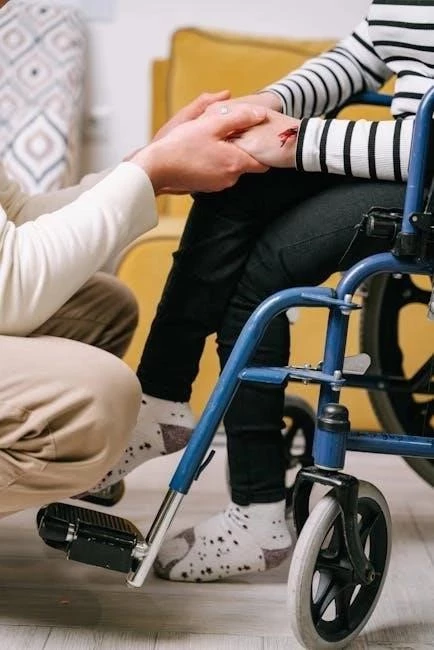
Parkinson's is not just a motor disease; it often involves cognitive decline, including Parkinson's Disease Dementia (PDD) and hallucinations․ These symptoms are frequently the most stressful for family members․ Comprehensive support for caregivers of Parkinson’s NYC must include psychological resources and strategies for managing behavioral changes․
- Recognizing Cognitive Shifts: Early identification of executive dysfunction, such as difficulty planning tasks or managing finances․
- Managing Hallucinations and Delusions: Learning de-escalation techniques and understanding when these symptoms require a clinical adjustment in medication․
- Caregiver Support Groups: Connecting with others in NYC who are facing similar challenges to reduce feelings of isolation and share practical advice․
- Respite Care Services: Utilizing short-term professional care to give the primary caregiver a break, which is vital for preventing burnout and maintaining mental health․
- Counseling and Therapy: Accessing NYC-based mental health professionals who specialize in chronic illness and family dynamics․
Nutrition, Hydration, and Speech Therapy Integration
Difficulty swallowing (dysphagia) and speech issues (hypophonia) are common as Parkinson’s progresses․ These clinical issues require specialized intervention that often involves a team of speech-language pathologists and nutritional consultants․ Proper support for caregivers of Parkinson’s NYC includes monitoring these vitals daily to prevent aspiration pneumonia․
- Speech Therapy Programs: Engaging in programs like LSVT LOUD, which are widely available in NYC clinics, to help maintain vocal strength․
- Safe Swallowing Techniques: Learning how to prepare “thickened” liquids or soft foods to ensure the patient can eat safely without choking․
- Hydration Monitoring: Ensuring the patient drinks enough water to manage constipation and prevent urinary tract infections, both of which can worsen motor symptoms․
- Nutritional Supplements: Working with a dietician to ensure the patient maintains a healthy weight despite the high caloric burn often associated with tremors․
- Meal Delivery Services: Utilizing NYC-based senior meal programs that cater to specific dietary restrictions and textures required for PD patients․
Nurse Insight: In my experience, the families who manage Parkinson’s most successfully are the ones who treat the disease as a marathon rather than a sprint․ I often tell my NYC clients that accepting professional Nurse Support doesn’t mean you are failing as a caregiver; it means you are being a smart advocate for your loved one’s safety․ Many of the hospitalizations I see could have been avoided with better medication adherence and early intervention regarding fall risks․ Don’t wait until a crisis occurs to look for support-build your team while things are stable so that when challenges arise, you have a foundation of trust and expertise to lean on․
Frequently Asked Questions
What types of support for caregivers of Parkinson’s NYC are available through Medicaid?
How does professional Nurse Support improve outcomes for Parkinson’s patients at home?
Where can I find local support groups for Parkinson’s caregivers in Manhattan or Brooklyn?
What is the importance of respite care for those caring for a loved one with Parkinson’s?
How can specialized home care help manage Parkinson’s medications?
Contact ProLife Home Care NYC for a free clinical assessment:(718) 232 – 2777
Contact ProLife Home Care NYC for a free clinical assessment: (718) 232-2777