Navigating the complexities of home care in New York City can feel like an overwhelming mountain to climb, especially when your loved one’s safety is at stake. As a senior nurse, I have stood by countless families as they transition from hospital to home, witnessing first-hand the stress that the NYC HRA home care application 2026 process can create. My goal is to ensure that your family feels supported, informed, and empowered to secure the dignity of aging in place. We are in this together, and with the right clinical guidance, we can navigate these new digital hurdles effectively to ensure your loved ones receive the care they deserve.
Clinical Quick Answer
Filing the NYC HRA home care application 2026 requires utilizing the updated Access HRA digital portal, which now integrates biometric verification and real-time medical document uploads to streamline eligibility. A pivotal component of this process is the Nursing Assessment NYC, a clinical evaluation conducted by the New York Independent Assessor (NYIA) that determines the specific number of personal care hours allocated based on functional necessity; Success in 2026 hinges on the precise alignment of your primary physician’s clinical notes with the observed physical and cognitive limitations identified during the formal nurse’s home visit.
Understanding the 2026 Digital Shift in NYC HRA Applications
The landscape of Medicaid and home care in New York City has undergone a massive digital transformation. By 2026, the Human Resources Administration (HRA) has fully transitioned to a ‘Digital First’ model for the NYC HRA home care application 2026. This shift aims to reduce the massive backlog of paperwork that previously plagued the system, but it introduces new challenges for families who are not tech-savvy. The updated portal now requires users to create an account with multi-factor authentication and provides a real-time dashboard to track the status of the application.
- Mandatory Document Uploads: Unlike previous years where documents could be mailed or faxed with relative ease, the 2026 system requires high-resolution digital scans of all financial and medical records.
- Real-Time Progress Tracking: Applicants can now see exactly which stage their application is in, whether it is ‘Pending Medical Review’ or ‘Awaiting Nursing Assessment NYC.’
- Integrated Communication: Correspondence from HRA caseworkers is now delivered via a secure internal messaging system, making it vital for family members to check the portal daily.
- Biometric Verification: To prevent fraud, some applicants may be required to verify their identity through facial recognition or advanced identity verification software integrated into the Access HRA app.
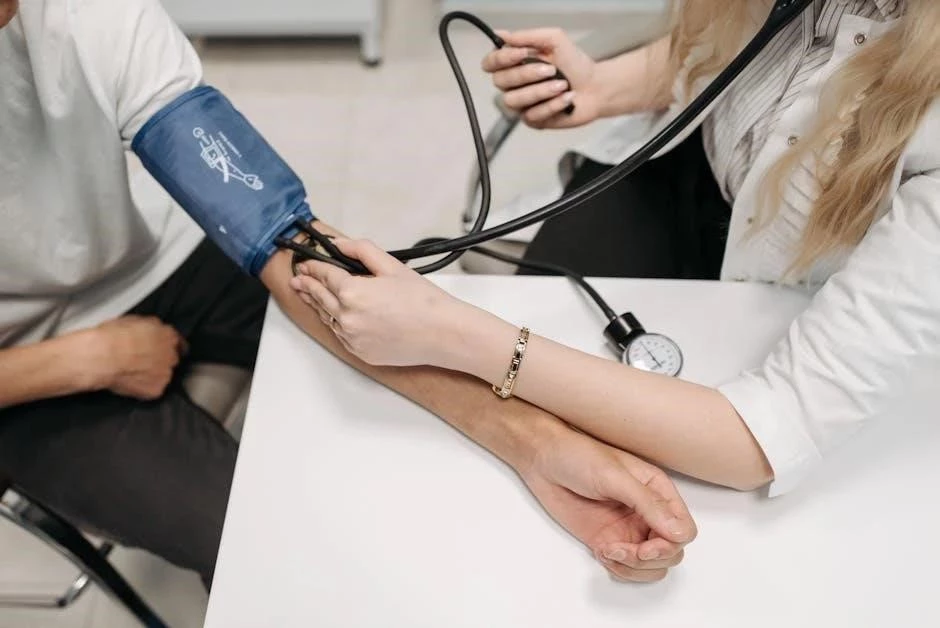
The Critical Role of the Nursing Assessment NYC in 2026
The heart of any home care case is the Nursing Assessment NYC. In 2026, this assessment is more rigorous than ever, utilizing the Uniform Assessment System (UAS-NY) to quantify a patient’s needs. This is not just a casual chat; it is a clinical deep-dive into the patient’s Activities of Daily Living (ADLs) and Instrumental Activities of Daily Living (IADLs). The nurse evaluator will look for ‘objective’ evidence of the need for assistance. If the nurse does not observe a struggle with mobility or memory during the visit, the allocated hours may be significantly lower than what is actually required for safety.
- Mobility and Transferring: The nurse will observe how the patient moves from a seated position to a standing position and their stability while walking.
- Cognitive Functioning: In 2026, there is a heavier emphasis on ‘Executive Functioning.’ The nurse will assess if the patient can safely manage their own medications or recognize household hazards like a lit stove.
- Incontinence Care: This remains a high-weight factor in determining hours. Detailed documentation of the frequency and the level of assistance needed is required.
- Social Support Verification: The nurse will also document the ‘informal supports’ available, such as family members, which HRA uses to determine how many hours of ‘formal’ care they will pay for.
Essential Documentation Checklist for the 2026 Application
Preparation is the key to surviving the NYC HRA home care application 2026. Missing a single document can result in a ‘Request for Evidence’ (RFE) that can delay the case by months. In 2026, the HRA has tightened the look-back period and the verification of assets. You must be prepared to provide a comprehensive digital trail of the applicant’s life. This includes not just bank statements, but clinical proof that home care is the ‘least restrictive environment’ suitable for the patient’s needs.
- Physician’s Form (M11q or equivalent): The primary doctor must fill out a clinical summary that aligns perfectly with the Nursing Assessment NYC findings.
- Financial Statements: Five years of bank statements are typically required to prove Medicaid eligibility, showing any transfers or large withdrawals.
- Proof of Residency: Updated NYC residency requirements require multi-layered proof, such as utility bills and a valid New York State ID.
- HIPAA Authorization: Digital signatures on HIPAA forms are now standard, allowing HRA to pull records directly from major NYC hospital systems like Mount Sinai or NYU Langone.
Navigating the New York Independent Assessor (NYIA) Workflow
In the past, managed care plans conducted their own assessments. In 2026, the New York Independent Assessor (NYIA) handles all clinical evaluations for the NYC HRA home care application 2026. This centralization was designed to create a ‘conflict-free’ environment, but it has resulted in a more standardized and sometimes rigid scoring system. Understanding the NYIA workflow is essential for families. Once the HRA receives the initial application, they trigger a referral to the NYIA, who then schedules the Nursing Assessment NYC.
- The Scheduling Call: Families must be ready to accept a call from Maximus (the contractor for NYIA) to schedule the nurse visit; missing this call can lead to an automatic case closure.
- The Clinical Conflict: If the NYIA nurse’s findings differ from the patient’s own doctor, a third-party ‘Independent Review Panel’ may be invoked to break the tie.
- The Outcome Notice: After the Nursing Assessment NYC, you will receive a ‘Tasking Tool’ result which breaks down exactly how many minutes are allocated for each task (e.g., 30 minutes for bathing, 15 minutes for dressing).
- Transition to MLTC: Once the NYIA clears the patient, they must then choose a Managed Long Term Care (MLTC) plan to manage the daily operations of the home care.
Technical Pitfalls and How to Avoid Them
The digital hurdles of 2026 are not just bureaucratic; they are technical. Many NYC HRA home care application 2026 submissions fail because of simple digital errors. For instance, the Access HRA portal has a maximum file size for uploads, and many families attempt to upload 100-page PDF medical files that the system rejects without a clear error message. Furthermore, the Nursing Assessment NYC often requires a stable internet connection if the nurse is using a remote tablet that syncs with the state database in real-time.
- File Optimization: Ensure all scanned documents are in PDF format and under 5MB per file to prevent upload failures.
- Browser Compatibility: Use updated versions of Chrome or Safari; the HRA portal is notoriously glitchy on older versions of Internet Explorer or mobile browsers.
- Save Frequently: The digital application sessions often time out after 15 minutes of inactivity, which can lead to a total loss of unsaved data.
- The Digital Signature Trap: Ensure the applicant’s digital signature matches the name on their legal ID exactly, or the system may flag the application for manual identity review.
Post-Submission: Appeals, Fair Hearings, and Adjusting Care
Even if you follow every step for the NYC HRA home care application 2026 perfectly, the result may not be sufficient for the patient’s safety. Many families find that the Nursing Assessment NYC results in ‘Split-Shift’ or ‘Live-In’ care being denied in favor of a 4-hour or 8-hour daily plan. In 2026, the appeal process is also digitized. You must be prepared to file for a ‘Fair Hearing’ through the NY State DOH website to challenge an inadequate care plan.
- Requesting a Fair Hearing: This must be done within 60 days of the determination notice. You can request ‘Aid Continuing’ to keep current care levels during the appeal.
- Clinical Re-Evaluation: If the patient’s condition worsens shortly after the Nursing Assessment NYC, you can request a ‘Significant Change in Condition’ re-assessment.
- The Role of an Advocate: In 2026, many families use Medicaid consultants or elder law attorneys to navigate the complexities of a Fair Hearing.
- Documentation for Appeals: Success in an appeal requires ‘new’ clinical evidence that was not considered during the initial Nursing Assessment NYC.
Nurse Insight: In my experience, the most common reason for application delays isn’t a lack of medical need, but rather a disconnect between what the family reports and what is documented in the Nursing Assessment NYC. Always ensure that the primary physician’s clinical notes specifically mention ‘task-driven’ needs—such as the inability to safely transfer from a bed to a wheelchair or manage incontinence—rather than using vague terms like ‘general weakness.’ In the 2026 digital era, specificity is your strongest ally; the computer algorithms and nurse evaluators need concrete examples of safety risks to justify high-hour care plans.
Frequently Asked Questions
What is the primary change in the NYC HRA home care application 2026 process?
The primary change involves the mandatory use of the enhanced Access HRA digital portal, which now requires biometric verification and real-time synchronization with the New York Independent Assessor (NYIA) for clinical documentation. This makes the process faster but more technically demanding for families.
How long does the Nursing Assessment NYC typically take in 2026?
The assessment usually takes between 90 minutes and 3 hours, depending on the complexity of the patient’s medical history and the level of cognitive impairment. The nurse will evaluate everything from physical mobility to the ability to perform mental tasks like counting or following multi-step directions.
Can I still submit a paper NYC HRA home care application 2026?
While paper applications are technically accepted for those with documented technological hardships, the HRA strongly prioritizes digital submissions. In 2026, paper routes often face significantly longer processing delays and are more prone to being lost in the system compared to digital uploads.
Who performs the Nursing Assessment NYC for HRA home care?
The assessment is performed by a Registered Nurse from the New York Independent Assessor (NYIA). This nurse is an objective third party who does not work for the HRA or the home care agency, ensuring that the evaluation of your loved one’s needs is conflict-free according to state mandates.
What happens if my NYC HRA home care application is denied in 2026?
If denied, you have the right to request a Fair Hearing within 60 days. You should review the ‘Notice of Intent’ to understand the specific reasons for denial, which are often related to financial eligibility or the findings of the Nursing Assessment NYC, and then gather new medical evidence to support your appeal.
Contact ProLife Home Care NYC for a free clinical assessment:(718) 232 – 2777