As a senior registered nurse with extensive experience in the New York City healthcare landscape, I have guided countless families through the transition from acute hospital stays to residential recovery. Navigating the specific requirements of Woodhull Hospital home care Brooklyn requires a deep understanding of both clinical protocols and the unique neighborhood dynamics of North Brooklyn. Our focus is always on ensuring that patients returning to Bed-Stuy, Bushwick, or Williamsburg have a safety net that prevents complications and promotes healing.
Woodhull Hospital home care Brooklyn involves a coordinated plan of medical services provided in a patient’s residence following a hospital stay. These services range from skilled nursing and physical therapy to personal care assistance, all designed to ensure that the transition to Brooklyn Home Care is safe, professional, and effective in preventing hospital readmission.
In my clinical experience, the most significant risk for patients leaving Woodhull Hospital is the gap in care that occurs during the first forty-eight hours post-discharge. In the busy environment of North Brooklyn, patients often face challenges with medication reconciliation and the physical demands of their living environments, such as navigating walk-up apartments. A common mistake is underestimating the need for professional Brooklyn Home Care early on, which can lead to rapid health decline or falls that result in immediate return to the emergency room.
The transition from a hospital bed to a home environment is one of the most vulnerable periods in a patient’s healthcare journey. For those receiving treatment at Woodhull Hospital, a cornerstone of the NYC Health + Hospitals system serving North Brooklyn, the discharge process marks the beginning of a critical recovery phase. Woodhull Hospital home care Brooklyn services are designed to bridge the gap between intensive hospital treatment and the return to independent living. Without a structured plan, the risks of complications are significantly higher, making it imperative for families to understand the resources available to them in the local community.
Understanding the Woodhull Hospital Discharge Process
- Initial Assessment: Before a patient leaves the facility, a discharge planner or social worker evaluates the patient’s physical limitations and home environment.
- Care Coordination: The hospital staff works to identify necessary medical equipment, such as walkers or oxygen tanks, and initiates the referral for home health services.
- Medication Reconciliation: A crucial step where the hospital team ensures the patient understands new prescriptions and how they interact with existing medications.
- Follow-up Scheduling: Arranging appointments with primary care physicians or specialists in the North Brooklyn area to monitor progress.
- Patient Advocacy: Empowering the patient and their family to ask specific questions about the level of Brooklyn Home Care required for a safe recovery.
The discharge process at Woodhull is often fast-paced due to the high volume of patients the facility serves. It is essential for family members to be proactive during this stage. In New York City, the right to a safe discharge is protected by law, meaning the hospital cannot release a patient if they do not have a safe place to go or the necessary support systems in place. When preparing for Woodhull Hospital home care Brooklyn, ensuring that the home is ready-clearing pathways, setting up a ground-floor recovery area if possible, and securing a reliable home care agency-is the first step toward a successful outcome.
The Critical Role of Skilled Nursing in Brooklyn Home Care
- Clinical Monitoring: Registered nurses monitor vital signs and identify early warning signs of infection or cardiovascular distress.
- Wound Management: Specialized care for surgical incisions or pressure ulcers, which is vital for preventing sepsis and other complications.
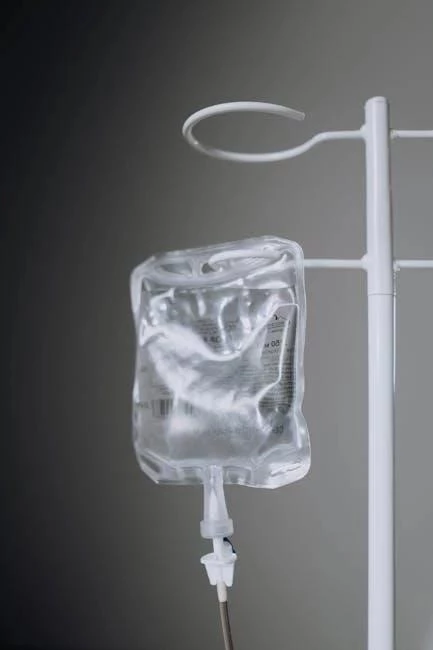
- IV Therapy and Injections: Administering necessary medications that the patient or family may not be able to manage independently.
- Chronic Disease Education: Teaching patients how to manage conditions like diabetes or hypertension within the context of their daily lives in Brooklyn.
- Care Plan Adjustments: Nurses act as the eyes and ears for the physician, suggesting changes to the care plan based on real-time recovery data.
Skilled nursing is the backbone of effective Brooklyn Home Care. In the North Brooklyn area, where many residents manage complex, chronic conditions, the presence of a professional nurse can be life-saving. After a stay at Woodhull, a patient may be dealing with new diagnoses or the aftermath of a major procedure. The nurse ensures that the medical plan is followed strictly, reducing the burden on family members who may feel overwhelmed by medical tasks. This professional oversight provides a level of security that allows the patient to focus entirely on their physical and emotional recovery.
Mitigating Risks of Hospital Readmission in NYC
- Medication Errors: Home care providers double-check dosages and schedules, which is the leading cause of readmission in New York.
- Fall Prevention: Assessing the home for hazards like loose rugs or poor lighting, which are common in older Brooklyn residential buildings.
- Nutritional Support: Ensuring the patient follows dietary restrictions necessary for recovery, such as low-sodium or diabetic-friendly meals.
- Infection Control: Maintaining sterile environments for medical procedures and educating the family on proper hygiene protocols.
- Early Intervention: Catching minor issues before they become emergencies that require an ambulance trip back to Woodhull.
New York City hospitals face significant challenges with readmission rates, often due to the social determinants of health prevalent in urban environments. Woodhull Hospital home care Brooklyn addresses these challenges directly by bringing the care to the patient. By identifying risks in the home-such as a lack of refrigeration for medications or the inability to cook healthy meals-home care providers create a holistic safety net. This proactive approach is much more effective than reactive medicine, as it keeps the patient stable and out of the high-stress hospital environment, which is often a source of secondary infections.
Rehabilitative Therapy in the Home Setting
- Physical Therapy: Focusing on gait training and strengthening exercises to help patients move safely around their Brooklyn apartments;
- Occupational Therapy: Helping patients relearn activities of daily living, such as dressing, bathing, and preparing simple meals.
- Speech Therapy: Essential for patients recovering from strokes or neurological events that have affected their communication or swallowing.
- Equipment Training: Teaching the patient and their family how to use assistive devices like lift chairs or specialized bathroom equipment.
- Home Modification Advice: Suggesting practical changes to the living space to accommodate permanent or temporary physical limitations.
Rehabilitation is not just about physical strength; it is about regaining independence. For a resident of North Brooklyn, this might mean having the strength to walk to the local bodega or the balance to navigate the stairs of a traditional brownstone. Woodhull Hospital home care Brooklyn therapists customize their approach to the specific environment the patient lives in. Unlike a clinical gym, home-based therapy uses the patient’s actual furniture and layout, making the exercises highly functional and relevant to their real-world needs.
Cultural Competency and Support Systems in North Brooklyn
- Language Access: Ensuring that care providers can communicate effectively with the diverse Spanish-speaking, Yiddish-speaking, and Polish-speaking populations near Woodhull.
- Respect for Traditions: Tailoring care plans to respect the cultural and religious practices of the Brooklyn community.
- Caregiver Relief: Providing respite for family members who are often the primary source of support, preventing caregiver burnout.
- Community Resource Connection: Linking patients with local North Brooklyn senior centers, food pantries, and transportation services.
- Psychological Support: Addressing the depression and anxiety that often accompany a loss of independence or a major health crisis.
Brooklyn Home Care is most effective when it is delivered with an understanding of the local culture. The neighborhoods surrounding Woodhull Hospital are rich in diversity, and a “one size fits all” approach to healthcare simply does not work. Providers must be sensitive to the unique needs of each household. This cultural competency fosters trust between the patient and the caregiver, which is a key component of patient compliance. When a patient feels understood and respected, they are more likely to follow their medical advice and participate actively in their own recovery process.
Practical Steps for Securing Home Care Services
- Verify Insurance Coverage: Check if your Medicare, Medicaid, or private insurance plan covers Woodhull Hospital home care Brooklyn services.
- Choose an Agency Early: Do not wait until the day of discharge to research Brooklyn Home Care agencies; start the conversation while the patient is still in the hospital.
- Understand CDPAP: Explore the Consumer Directed Personal Assistance Program, which allows patients to choose their own caregivers, including family members.
- Review the Care Plan: Ensure you have a written copy of the home care plan and the contact information for the supervising nurse.
- Prepare the Environment: Before the patient arrives home, ensure there is a clear path for medical staff and that all necessary supplies are easily accessible.
Securing home care can seem like a bureaucratic challenge, but it is a vital part of the recovery puzzle; In New York, the options for home-based support are extensive, but they require careful navigation. Working closely with the social work department at Woodhull can help streamline the paperwork. Families should also be aware of the different levels of care-ranging from a few hours of help a week to 24/7 live-in assistance. By taking these practical steps, you can ensure that the transition from Woodhull Hospital home care Brooklyn is not just a change in location, but a step forward in the healing process.
ProLife Home Care is dedicated to providing the high-quality, compassionate support that NYC residents need during their post-hospital recovery. Our team understands the complexities of the local healthcare system and is committed to delivering personalized care that meets the highest clinical standards. Ensure your loved one receives the best possible start to their recovery with Brooklyn Home Care services.
| Service | What It Includes | Why It Matters<br /> |
|---|---|---|
| Skilled Nursing | Medication management and clinical assessments | Prevents medical errors and monitors recovery progress |
| Physical Therapy | Mobility training and customized exercise plans | Restores strength and reduces the risk of future falls |
| Personal Care | Assistance with daily tasks like bathing and dressing | Maintains patient hygiene, safety, and personal dignity |
Frequently Asked Questions
How do I start Woodhull Hospital home care Brooklyn?
You can start the process by speaking with the discharge planner at Woodhull Hospital, who will help coordinate a referral to a licensed home care agency.
Is Brooklyn Home Care covered by Medicaid?
Yes, most Medicaid plans in New York cover home care services, especially those required after a hospital stay, though specific eligibility depends on your plan.
What happens if my condition changes during recovery at home?
Your home care nurse will monitor your condition and communicate directly with your doctors at Woodhull to adjust your care plan or recommend further medical attention if needed.
Can family members be paid as caregivers through these programs?
Yes, through the CDPAP program available in Brooklyn, eligible patients can choose to have family members or friends hired as their personal assistants.
How does home care coordinate with my doctors at Woodhull?
The home care agency maintains regular communication with your primary care team and specialists, sharing clinical notes and vitals to ensure a seamless continuum of care.
Contact ProLife Home Care NYC for a free clinical assessment: (718) 232-2777