Ensuring the safety of elderly relatives in the bustling environment of New York City requires proactive and technologically advanced solutions. Smart lighting for fall prevention NYC represents a revolutionary way to safeguard aging adults within their own homes by mitigating visual obstacles. For Manhattan families, these systems provide a critical layer of protection against the most common cause of injury in the home. Investing in these modern tools is a compassionate step toward maintaining independence and dignity for our seniors;
Clinical Quick Answer
Smart lighting systems utilize motion sensors and automated scheduling to eliminate dark zones and shadows that contribute to balance loss in elderly populations. By integrating IoT (Internet of Things) technology into Home Safety for Seniors, caregivers can ensure that pathways to bathrooms and kitchens are illuminated instantly upon movement, reducing fall risk by up to 30% in high-risk environments. These systems also support circadian rhythm regulation, which is vital for maintaining cognitive function and physical stability in aging adults living in urban settings.
The Critical Role of Smart Lighting for Fall Prevention NYC
In the dense architectural landscape of Manhattan, senior residents often face unique environmental challenges. Many apartments feature narrow hallways, uneven floor transitions between rooms, and limited natural light due to surrounding skyscrapers. Smart lighting for fall prevention NYC addresses these specific urban hazards by providing consistent, high-quality illumination that adapts to the user’s needs. Unlike traditional lighting, IoT-enabled systems can be programmed to gradually brighten, preventing the “blinding” effect that can occur when a senior switches on a bright overhead light in the middle of the night. This gradual adjustment is crucial for eyes that take longer to adapt to changes in light intensity.
- Automatic activation of floor-level LED strips when motion is detected near the bed.
- Elimination of manual switches, which often require reaching and can lead to loss of balance.
- Customizable brightness levels tailored to specific visual impairments such as glaucoma or macular degeneration.
- Integration with emergency alerts that flash lights if a fall-detection wearable is triggered.
- Remote monitoring capabilities that allow NYC family members to ensure lights are functioning via smartphone apps.
- Color-coded lighting paths that guide seniors back to their bedroom or to the bathroom during periods of disorientation.
Enhancing Home Safety for Seniors Through Visual Optimization
Home Safety for Seniors is not just about removing rugs; it is about optimizing the environment for a sensory system that is naturally declining. Aging eyes require significantly more light to see clearly compared to younger eyes—often three to four times as much. In many Manhattan “pre-war” buildings, the existing electrical infrastructure may only support dim, yellow-toned bulbs that create deep shadows; IoT lighting allows for the installation of high-lumen, flicker-free LED technology that mimics daylight, improving depth perception and contrast. This clarity allows seniors to identify small objects on the floor or changes in floor texture that might otherwise cause a trip.
- High-contrast lighting at the edges of stairs and door thresholds to define clear boundaries.
- Reducing glare on polished wood or tile floors, which can be disorienting for those with cataracts.
- Strategic placement of under-cabinet lighting in kitchens to illuminate workspaces without shadows.
- Voice-activated lighting commands through systems like Alexa or Google Home for hands-free control.
- Automated “away” modes that keep the home well-lit if the senior returns late from a medical appointment.
- Battery-backup systems for IoT lights that ensure safety during New York City power fluctuations.
Circadian Rhythm Support and Sleep Hygiene in Manhattan
Manhattan is the city that never sleeps, but for seniors, maintaining a proper sleep-wake cycle is essential for physical stability. Exposure to the wrong type of light at night can suppress melatonin production, leading to insomnia and subsequent daytime grogginess—a major risk factor for falls. Smart lighting for fall prevention NYC includes “tunable” white light that shifts from energizing blue tones during the day to warm, amber tones in the evening. This biological synchronization helps seniors maintain better cognitive alertness during waking hours, which directly translates to better gait control and fewer balance-related incidents.
- Sunset-mimicking dimming protocols that prepare the body for restorative sleep.
- Blue-light filtering after 8:00 PM to protect natural sleep cycles in high-light-pollution areas like NYC.
- Low-intensity “amber” night lights that provide enough visibility for navigation without waking the brain.
- Automated morning routines that slowly increase light levels to naturally wake the senior.
- Reduction in “sundowning” symptoms for seniors with early-stage dementia through consistent lighting environments.
- Integration with smart blinds to manage Manhattan’s street light intrusion during the overnight hours.
Navigating NYC Infrastructure: Installing IoT in Older Buildings
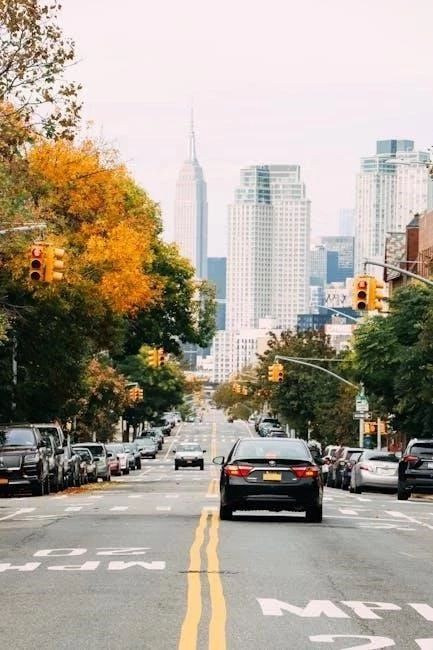
Implementing Home Safety for Seniors in New York often involves working around thick plaster walls, outdated wiring, and strict Co-op or Condo board rules. Modern IoT lighting solutions are uniquely suited for these challenges because many components are wireless and “plug-and-play.” Smart bulbs and motion sensors can be installed without tearing into walls or hiring expensive electricians, making them an accessible safety upgrade for renters and owners alike. These systems utilize Mesh networking (like Zigbee or Z-Wave), which allows devices to communicate even through the heavy concrete and steel common in Manhattan high-rises.
- Wireless adhesive motion sensors that can be placed at ankle height for immediate foot-path illumination.
- Smart plugs that turn traditional floor lamps into IoT-connected safety devices.
- Bridge-based systems that provide a stable connection even in areas with heavy Wi-Fi interference from neighbors.
- Modular components that can be easily moved or expanded as the senior’s mobility needs change.
- Low-profile LED tape that fits under cabinets or along baseboards in cramped NYC apartment layouts.
- Compliance with New York City fire codes through the use of UL-listed smart hardware.
The Psychological Impact: Confidence and Independence
The fear of falling is a significant psychological burden that often leads seniors to limit their activity, which ironically leads to muscle weakness and an even higher fall risk. Smart lighting for fall prevention NYC provides a “safety net” that boosts a senior’s confidence to move about their home freely. Knowing that the lights will automatically guide their way provides a sense of mastery over their environment. For families living in the outer boroughs or across the country, the ability to check a log of light activity can provide peace of mind that their loved one is active and moving safely throughout the day.
- Reduction in anxiety associated with nighttime bathroom trips.
- Encouragement of physical activity by making all areas of the apartment feel safe and accessible.
- Empowerment through technology that is easy to use and non-intrusive to daily life.
- Lowering the “caregiver burden” by automating safety checks that would otherwise require manual intervention.
- Creating a modern, aesthetically pleasing home environment that doesn’t feel like a clinical facility.
- Supporting the “Aging in Place” movement prevalent among long-term Manhattan residents.
Financial and Community Resources for Senior Home Safety in NYC
Securing the best Home Safety for Seniors shouldn’t be limited by budget. New York City offers various programs that can help offset the costs of home modifications, including the installation of safety technology. From Department for the Aging (DFTA) grants to specialized Medicaid programs like the Consumer Directed Personal Assistance Program (CDPAP), there are pathways to fund these essential upgrades. Understanding these resources is key for NYC families who want to provide the highest level of care while managing the high cost of living in the city.
- NYC Department for the Aging (DFTA) “Homecrest” and other local safety initiatives.
- Potential insurance premium reductions for homes equipped with proactive safety and monitoring IoT systems.
- The “Weatherization Assistance Program” which may cover energy-efficient LED lighting upgrades.
- Consultations with NYC-based occupational therapists who specialize in “Environmental Press” and fall prevention.
- Community-based organizations in Manhattan that provide volunteer assistance for tech installation.
- Medicaid Managed Long Term Care (MLTC) plans that may authorize home environment modifications.
Nurse Insight: In my experience working with seniors in tight Manhattan apartments, the bathroom trip at 3:00 AM is the most dangerous time for a fall. Many seniors try to navigate in the dark because they don’t want to “wake themselves up” with a harsh light or because the switch is awkwardly placed behind a door. I always recommend motion-activated amber floor lighting; it guides their feet without disrupting their sleep cycle, and it has saved countless residents from the devastating hip fractures we see so often in NYC emergency rooms.
Frequently Asked Questions
How does smart lighting specifically prevent falls in the elderly?
Is IoT lighting difficult to install in older Manhattan apartments?
Does Medicaid or Medicare pay for smart lighting systems in NYC?
What is the best light color for senior safety at night?
Can I monitor my parents lighting system remotely if I live outside of NYC?
Contact ProLife Home Care NYC for a free clinical assessment:(718) 232 – 2777