Navigating the transition from a busy New York hospital to the comfort of home after a hip procedure can be a daunting experience for both patients and their families. As a senior nurse in NYC, I have seen firsthand how the right professional support can transform a stressful recovery into a successful journey toward renewed mobility. Our primary focus is ensuring that your loved one feels safe, supported, and medically supervised during those critical first few weeks at home. By bringing clinical expertise directly into your living room, we help bridge the gap between hospital discharge and full independence.
Clinical Quick Answer
Effective post-surgical hip care requires a combination of meticulous wound management, strict adherence to physical therapy protocols, and continuous monitoring for complications like DVT or infection. A comprehensive Nursing Assessment NYC is the first step in creating a safe home environment and a personalized recovery plan tailored to the unique layout of a New York apartment. Integrating professional hip fracture rehab at home NYC ensures that patients regain their strength and balance while minimizing the risk of re-hospitalization.
The Critical Role of a Comprehensive Nursing Assessment NYC
The moment a patient crosses the threshold of their home after hip surgery, a new phase of clinical vigilance begins. A professional Nursing Assessment NYC is not merely a check of vital signs; it is an exhaustive evaluation designed to identify potential risks before they become emergencies. In the dense urban environment of New York, this assessment also includes a “space-safety” check, ensuring that narrow hallways and area rugs in Brooklyn brownstones or Manhattan high-rises do not become trip hazards.
- Clinical Baseline Establishment: The nurse records baseline vitals, including oxygen saturation and blood pressure, to monitor how the patient responds to the stress of moving back home.
- Surgical Site Inspection: Using the REEDA scale (Redness, Edema, Ecchymosis, Discharge, and Approximation), the nurse evaluates the incision for any early signs of surgical site infection.
- Neurological and Cognitive Screening: Post-operative delirium is common in older adults; the nurse assesses mental status to ensure the patient is oriented and safe to follow recovery instructions.
- Medication Reconciliation: A deep dive into the patient’s pre-surgery medications versus their new post-op prescriptions to prevent dangerous drug-to-drug interactions.
- Pain Assessment: Implementing a multi-modal pain management strategy that balances comfort with the need for the patient to remain alert enough for physical therapy.
Mastering Hip Fracture Rehab at Home NYC
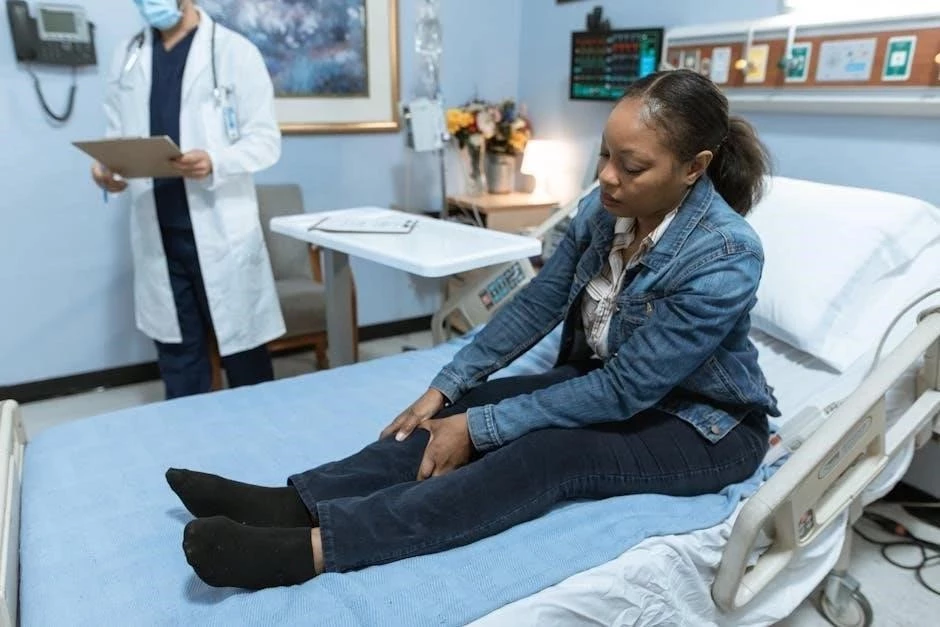
Recovery from a hip fracture is a marathon, not a sprint. Choosing hip fracture rehab at home NYC allows the patient to practice functional movements in the environment where they spend the most time. This “real-world” training is invaluable for regaining confidence. Professional nurses work hand-in-hand with physical therapists to ensure that the patient is not just doing exercises, but doing them safely and correctly within the limitations set by the surgeon.
- Weight-Bearing Precautions: Strict adherence to the surgeon's orders-whether it is Non-Weight Bearing (NWB), Partial Weight Bearing (PWB), or Weight Bearing as Tolerated (WBAT).
- Functional Mobility Training: Practicing safe transfers from bed to chair, using the toilet, and navigating steps if the NYC residence has multiple levels.
- Assistive Device Proficiency: Ensuring the patient and family are comfortable using walkers, canes, or crutches without causing secondary strain on the back or shoulders.
- Fall Prevention Education: Educating the family on removing clutter, improving lighting, and installing grab bars in the bathroom.
- Endurance Building: Gradually increasing the duration of activity to improve cardiovascular health, which is essential for long-term recovery.
Pharmacological Management and Anticoagulation
One of the most dangerous risks after hip surgery is the development of a Deep Vein Thrombosis (DVT), which can lead to a Pulmonary Embolism. In NYC, where patients may be confined to smaller apartments with less initial movement, the role of pharmacological management is paramount. A visiting nurse ensures that anticoagulant therapy (like Lovenox injections or oral Eliquis) is administered correctly and that the patient understands the importance of these medications.
- Anticoagulant Education: Teaching the patient or caregiver how to self-administer injections if necessary and identifying signs of abnormal bleeding.
- Pain Control Strategy: Managing the transition from heavy hospital-grade narcotics to over-the-counter or non-opioid alternatives to reduce the risk of constipation and cognitive clouding.
- Antibiotic Stewardship: If the patient is discharged with oral antibiotics, the nurse ensures the full course is completed to prevent secondary infections.
- Monitoring for Side Effects: Keeping a close eye on common post-op issues such as nausea, dizziness, or allergic reactions to new medications.
Wound Care and Infection Prevention Strategies
The integrity of the surgical incision is the primary barrier against infection. In a home setting, maintaining a sterile environment can be challenging. A skilled nurse provides the expertise needed to manage dressings, staples, or sutures while educating the family on how to keep the area clean and dry. This is a core component of any Nursing Assessment NYC, as infection is one of the leading causes of readmission.
- Dressing Changes: Performing sterile dressing changes according to the surgeon’s specific protocol (e.g., Aquacel, silver-impregnated dressings).
- Staple and Suture Monitoring: Checking for “spitting” sutures or staples that may be causing irritation or opening the wound.
- Hydration and Nutrition: Assessing the patient's intake of protein and fluids, which are critical building blocks for tissue repair and wound healing.
- Personal Hygiene Coordination: Advising on safe bathing techniques, such as using sponge baths until the surgeon clears the patient for a shower.
Identifying “Red Flag” Symptoms in the Home Setting
Time is of the essence when a complication arises after surgery. Families need to know exactly what constitutes a “normal” part of healing versus a medical emergency. During every visit for hip fracture rehab at home NYC, the nurse reviews these red flags with the family, empowering them to act quickly if something goes wrong. Early detection of a complication can often be managed at home or in a clinic, avoiding a traumatic return to the emergency room.
- Cardiovascular Red Flags: Chest pain, sudden shortness of breath, or a rapid, irregular heartbeat.
- Vascular Red Flags: One leg feeling significantly warmer, more swollen, or more painful than the other (signs of DVT).
- Infection Red Flags: A temperature over 101;5°F, foul odor from the wound, or spreading redness around the incision.
- Mechanical Red Flags: A sudden “popping” sound in the hip followed by intense pain or the inability to move the leg, which could indicate dislocation.
Navigating NYC Healthcare Resources and Support
The New York healthcare system is complex, but there are numerous resources available to help hip surgery patients thrive. From Medicaid-funded home health aides to specialized equipment providers, a professional nursing team helps families coordinate these services. It is highly recommended to stay informed through official channels like the NY State DOH to understand your rights as a patient and the standards of care expected in New York.
- MLTC Coordination: Helping families navigate Managed Long-Term Care (MLTC) plans to ensure they receive the maximum hours of support allowed under their policy.
- Durable Medical Equipment (DME): Coordinating the delivery of hospital beds, commodes, or specialized chairs suited for hip-precautions.
- Psychosocial Support: Connecting patients with NYC-based support groups for seniors or those recovering from major surgery to combat isolation.
- Physician Liaison: Acting as the “eyes and ears” for the surgeon, providing regular updates on the patient's progress and clarifying any confusing post-op orders.
Nurse Insight: In my experience, the biggest hurdle for NYC families isn’t just the physical rehab, but managing the layout of narrow apartments. I always tell my families to “think like a surveyor”-look for loose rugs, low coffee tables, and trailing electrical cords that could end a recovery before it truly begins. Success at home starts with a safe environment and a patient who feels empowered, not afraid, to move.
Frequently Asked Questions
How do I know if the Nursing Assessment NYC is thorough enough?
A thorough assessment should take at least 45 to 60 minutes and include a physical exam, a review of all medications, an evaluation of the home for fall risks, and a detailed discussion about your pain levels and mobility goals. If the nurse is only checking blood pressure and leaving, it is likely insufficient.
Is hip fracture rehab at home NYC covered by Medicare?
Yes, if your doctor certifies that you are homebound and require skilled nursing or physical therapy, Medicare Part A typically covers 100% of the cost for intermittent visits. This is vital for NYC seniors who may have difficulty traveling to an outpatient clinic.
What should I do if my loved one becomes confused after coming home?
Post-operative delirium is common, especially in New York’s fast-paced environment. Ensure they have plenty of natural light during the day, keep their sleep-wake cycle consistent, and report any sudden changes in cognition to your visiting nurse or surgeon immediately, as it could signal an infection or medication reaction.
How long will we need home nursing after a hip replacement?
The duration varies, but most patients receive skilled nursing visits for 2 to 4 weeks. Once the wound is healed and the patient is stable on their medications, the focus usually shifts entirely to physical therapy, which may continue for several months.
Can a nurse help with the NYC Medicaid application process for long-term care?
While nurses provide clinical care, many specialized nursing agencies in NYC have social workers or intake coordinators who specifically help families navigate the Medicaid and MLTC application process to secure long-term home health aide services.
Contact ProLife Home Care NYC for a free clinical assessment:(718) 232 – 2777
Contact ProLife Home Care NYC for a free clinical assessment: (718) 232-2777